


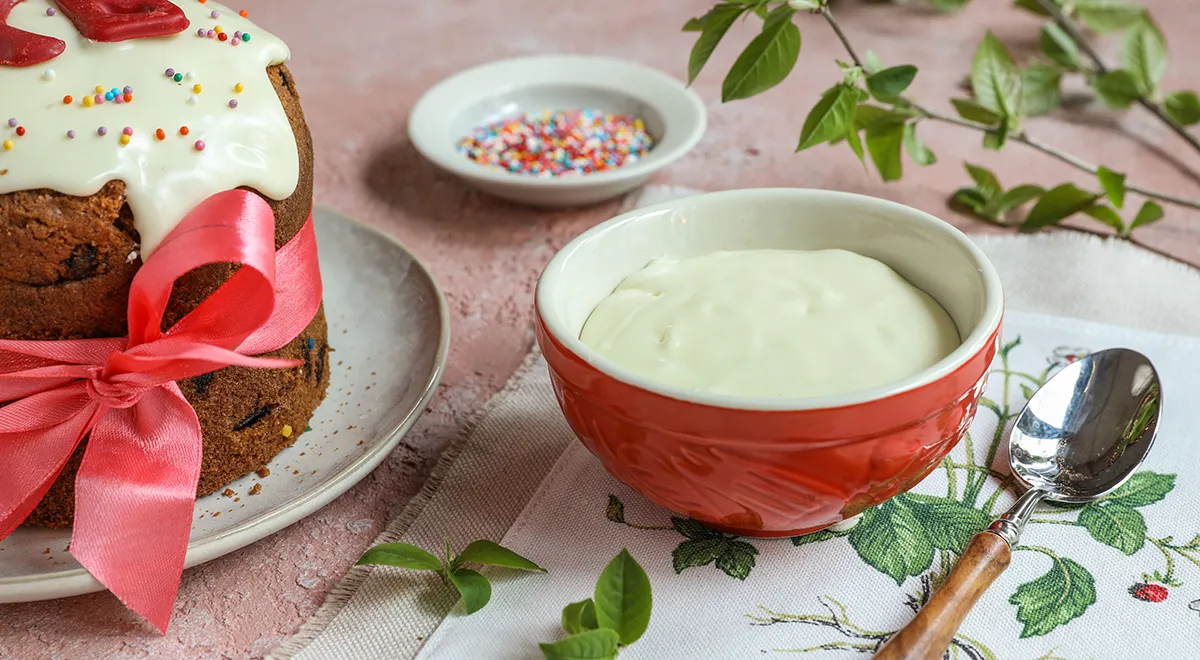
This is not your average confectioner's sugar drizzle. Our Russian Condensed Milk Glaze, or glazur iz sgushchenki, delivers a silky, cloud-like finish with a subtle tang that perfectly complements the rich, yeasted crumb of traditional Easter bread (kulich). Unlike fussy royal icing or temperamental chocolate ganache, this glaze relies on a simple three-ingredient alchemy: sweetened condensed milk, whole milk powder, and fresh lemon juice. The result is a thick, pourable glaze that sets to a firm yet tender crust, creating those coveted drips and a matte sheen that screams artisanal. While it shines on Easter bread, it's equally stunning on cinnamon rolls, babka, or even as a decorative finish for pound cakes. In this guide, we'll walk you through the technique, share pro tips for foolproof results, and explore variations to make this glaze your own. For those who love precision baking, consider using a best planetary mixer to ensure even, lump-free blending.
About This Glaze
In Russian home baking, a proper glazur is the mark of a true master. This version uses the natural creaminess of best non-toxic immersion blender-friendly condensed milk combined with dry milk powder to create a stable emulsion. The magic lies in the ratio: exactly 190 grams of full-fat sweetened condensed milk (8.5% fat, no vegetable oils) to 115 grams of whole milk powder. The half-teaspoon of fresh lemon juice acts as a gentle acid, reacting with the milk proteins to thicken the glaze without cooking. The result is a luscious, pipeable texture that dries to a non-sticky finish. Unlike buttercream, this glaze doesn't require a stand mixer; a simple silicone spatula does the job beautifully. For those exploring high-altitude baking, the lemon juice also helps stabilize the glaze.

Ingredients
- 190 g sweetened condensed milk (full-fat, 8.5% fat, no vegetable additives)
- 115 g whole milk powder
- ½ teaspoon fresh lemon juice, strained
Quality matters here. Use an best store bought au jus for prime rib-level attention to ingredient sourcing—your glaze will thank you. For the milk powder, seek out a brand that lists whole milk as the first ingredient, and avoid powdered skim alternatives, which can yield a gritty texture.
Step-by-Step Instructions
Step 1: Prepare Your Ingredients
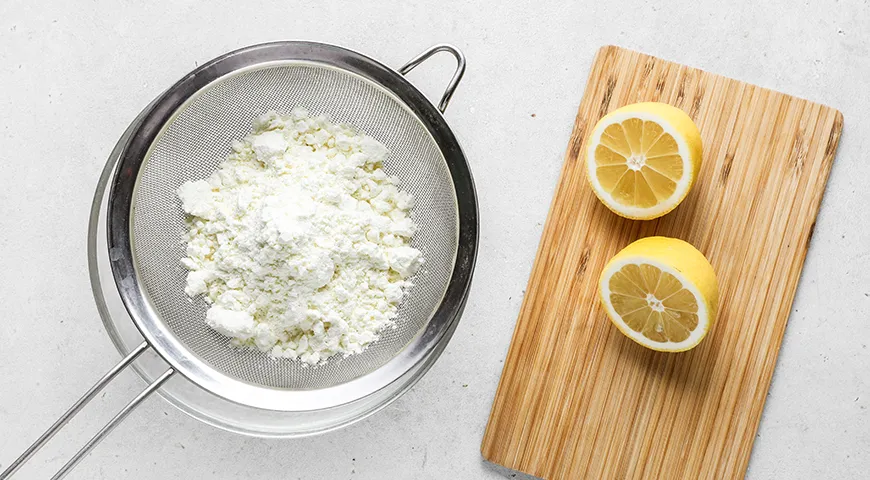
Begin by sifting the whole milk powder through a fine-mesh sieve into a shallow bowl. This breaks up any clumps and ensures a silky, even texture. Meanwhile, squeeze a fresh lemon and strain the juice through two layers of cheesecloth to remove pulp and seeds. Set both aside. For precise measurements, a digital scale is invaluable; check out the best oil sprayer guide for more kitchen precision tips.

Step 2: Sift the Dry Milk
Pour the whole milk powder into a clean, dry mixing bowl. Sift it twice through a fine-mesh sieve to aerate and remove any stubborn lumps. This step is crucial; skipping it can lead to a grainy glaze that resembles best chocolate covered raisins in texture—not what we want. Use a silicone spatula to gently press the powder through if necessary.
Step 3: Combine and Mix
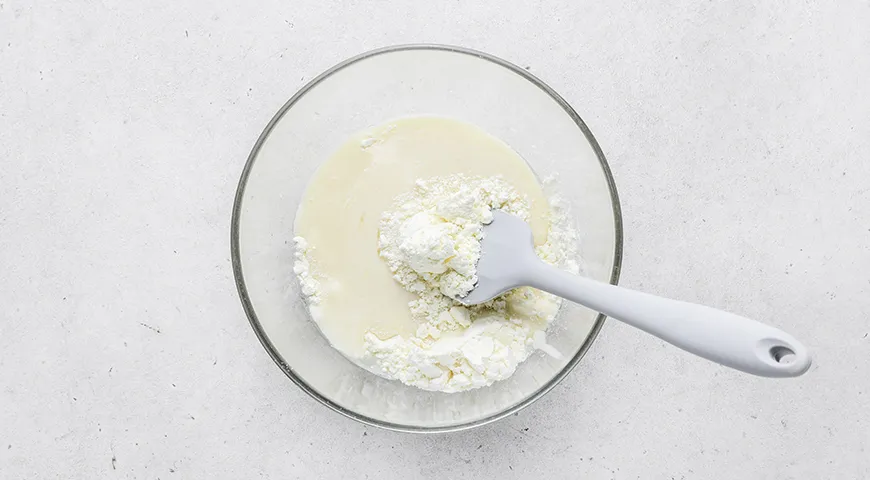
Pour the full amount of sweetened condensed milk (all 190 g) directly into the sifted milk powder. Add the strained lemon juice. Using a silicone spatula, fold and stir the mixture until it forms a thick, smooth paste. If the glaze seems too runny—it should hold a ribbon that slowly melts back—add a teaspoon more of milk powder and stir again. Aim for a consistency similar to thick sour cream. For a foolproof mixing technique, consider using a best food processor for nut butter to blend if you're making a larger batch, though hand mixing is preferred for this delicate balance.
Step 4: Apply the Glaze
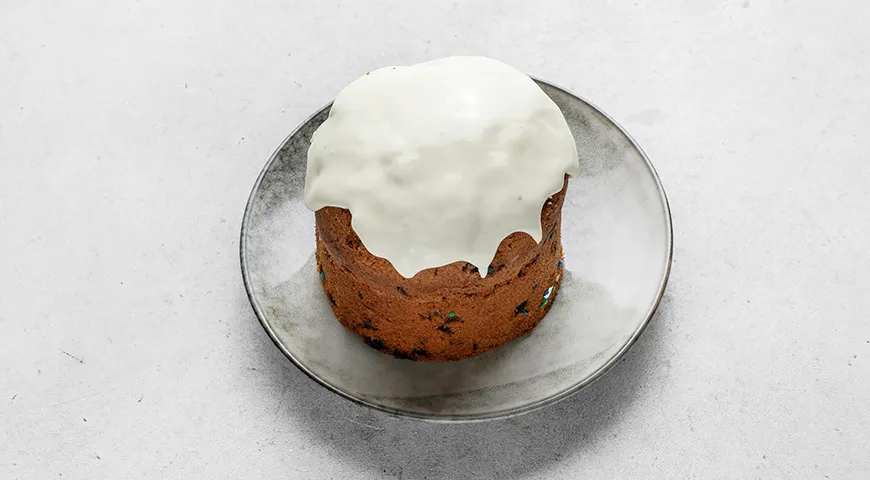
Use this glaze immediately on still-warm kulichi (Easter breads) or any baked good. Spoon or pour it over the tops, allowing the mixture to flow down the sides in elegant, natural drips. Work quickly, as the glaze thickens upon contact with warmth. Once coated, set the bread aside to let the glaze set completely—this takes 4 to 6 hours at room temperature. The glaze will harden into a firm, glossy finish that doesn't stick when wrapped. For even application, an best espresso machine under 2000 might seem unrelated, but the same principle of precision flow applies—use a squeeze bottle for neat drizzles.
Tips for Perfect Glaze
- Use full-fat condensed milk: Low-fat or versions with vegetable oils will curdle or stay runny. Always check the label—8.5% fat is ideal. A best 48 inch built-in refrigerator can store opened condensed milk properly.
- Room temperature ingredients are key: Cold condensed milk thickens unevenly. Let it sit out for 15 minutes before using.
- Consistency check: The glaze should flow slowly from a spoon. If too thick, add a drop more lemon juice; if too thin, sift in extra milk powder a teaspoon at a time.
- Work on warm bread: The warmth helps the glaze self-level, but the bread shouldn't be piping hot—about 40°C (100°F) is perfect. A best commercial countertop convection oven ensures even baking for your base bread.
- Patience for setting: Resist refrigerating to speed up the process; condensation can ruin the shine. Cool, dry room air is best.
Variations
This glaze is a blank canvas. For a citrus twist, replace half the lemon juice with fresh orange juice and add a pinch of orange zest. For a festive look, fold in pa de pessic catalan sponge-style food coloring—a drop of yellow or pink for Easter pastels. Chocolate lovers can substitute 15 g of milk powder with unsweetened cocoa powder. For a boozy note, replace the lemon juice with limoncello or a splash of best sweet wine with high alcohol content; the alcohol helps the glaze dry faster. A vegan alternative can use coconut condensed milk and a pinch of cream of tartar instead of lemon juice, though the texture will be slightly different. If you're gearing up for a baking marathon, clean-up is easier with a best castor oil—not for the glaze, but for conditioning your wooden utensils afterward.
Frequently Asked Questions
Can I use skim milk powder instead of whole milk powder?
Skim milk powder works but yields a thinner, less creamy glaze. The final texture may be more matte and prone to cracking. For best results, stick with whole milk powder. If you must substitute, add an extra 5 g of condensed milk to compensate for lost fat. A best organic vodka isn't for this recipe, but similar substitution guidelines apply—know your ingredients.
Why did my glaze turn out runny?
This usually happens if the condensed milk is too thin (low-fat or poor quality) or if too much liquid was used. Double-check your condensed milk label—should be 8.5% fat. Also, ensure your milk powder is fresh; old powder loses thickening power. If the glaze is already made, sift in a tablespoon more milk powder.
Can I prepare this glaze ahead of time?
Yes, but it's best made fresh. If needed, store the prepared glaze in an airtight container at room temperature for up to 2 days. Before using, stir well and warm slightly (10 seconds in a microwave) to restore pourability. The glaze will thicken as it sits.
How do I store leftover glazed bread?
Once the glaze has set (after 4–6 hours), wrap the bread tightly in plastic wrap or place in a cake keeper. It keeps at room temperature for 3–4 days. Do not refrigerate, as the glaze may weep. If the bread becomes stale, refresh in a best air fryer non-toxic at 150°C for 3 minutes.
Can I double the recipe?
Absolutely. Scale the ingredients linearly: 380 g condensed milk, 230 g milk powder, and 1 teaspoon lemon juice. Mix in a larger bowl. A best wheatgrass juicer isn't for this, but the principle of scaling works similarly—just ensure even mixing.
What if I don't have a fine-mesh sieve?
You can use a strainer lined with a clean kitchen towel, or even a coffee filter. Sifting is critical to avoid lumps. For a quick solution, try total bowel release—just kidding, but do invest in a basic sieve.
This Russian condensed milk glaze will become your go-to for any occasion that calls for a sophisticated, cloud-like finish. Whether you're dressing up a simple loaf or creating a showstopping Easter centerpiece, its glossy beauty and easy technique deliver consistent, bakery-quality results. For more baking inspiration, check out our collection of best coffee maker for airbnb articles, or explore the best undercounter ice maker machine guide for perfect drink pairings. Happy baking!







