



Experience the ethereal lightness of a traditional Russian Easter bread, but with a unique twist: this version relies entirely on whipped egg whites for its airy crumb and delicate structure. Known as belkovy kulich (protein kulich), this recipe produces a tender, moist loaf that is lower in yolks but exceptionally fluffy. Perfect for Easter celebrations or any occasion that calls for a sublime sweet bread, this kulich is a testament to the art of protein-based leavening. With a golden crust and a soft interior, it pairs beautifully with tea or coffee. Follow our step-by-step guide to create this masterpiece in your own kitchen. For precise mixing, a planetary mixer ensures the whites reach stiff peaks effortlessly.
About Protein Kulich
Traditional Russian kulich is a tall, cylindrical Easter bread enriched with egg yolks and butter. This protein version substitutes the yolks with additional whites, resulting in a lighter, almost cloud-like texture. The secret lies in the meringue-style technique: whipping the whites separately before folding them into the dough. This method not only produces an incredibly soft crumb but also makes the bread more digestible and lower in cholesterol. The dough itself is a simple yeast dough, fermented slowly to develop complex flavors. The result is a bread that stays fresh longer and tastes divine whether served plain, with sweet glaze, or alongside a sweet wine with high alcohol content for a traditional pairing.

Ingredients
- Milk – 250 ml
- Sugar – 340 g (divided)
- All‑purpose flour – 470 g
- Unsalted butter – 60 g, softened
- Egg whites (from large eggs) – 4
- Salt – ½ teaspoon
- Active dry yeast – 10 g (or 25 g fresh)
These simple ingredients combine to create something extraordinary. For accurate measuring, a food processor for nut butter can be repurposed for mixing dry ingredients efficiently.
Step‑by‑Step Instructions
Step 1: Make the Sponge
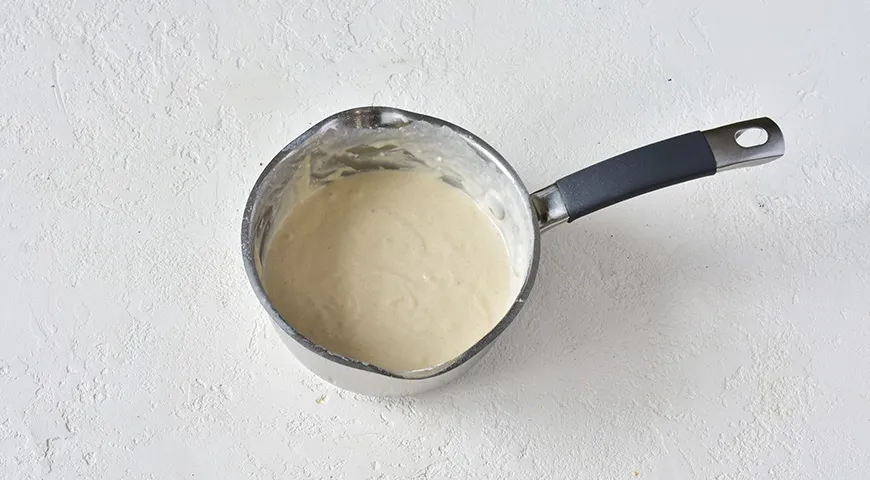
Warm the milk to 35°C and pour into a large bowl. Add 40 g of the sugar and stir to dissolve. Crumble in the yeast and whisk until fully dissolved. Let it sit for 5 minutes until foamy.
Step 2: Add Flour and Rest
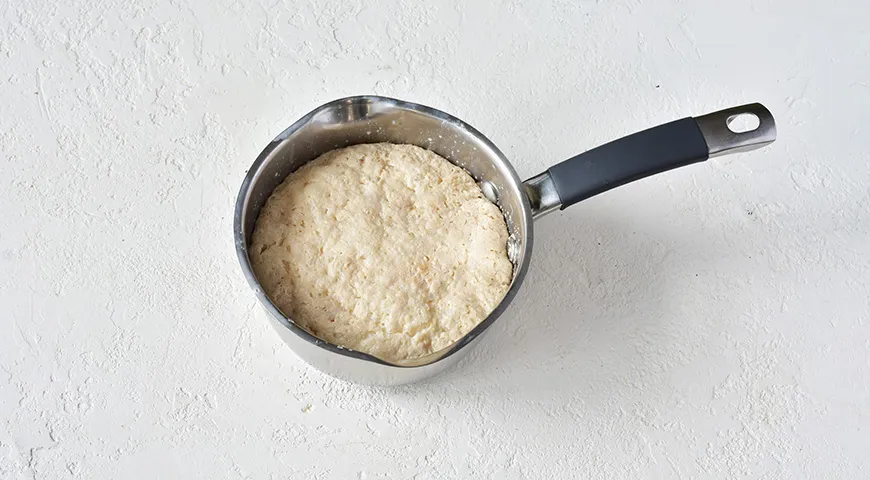
Sift in 150 g of flour and stir until smooth. Cover the bowl with a clean towel and set in a warm spot for 30 minutes. The sponge should double in volume and become bubbly.
Step 3: Prepare Butter and Meringue
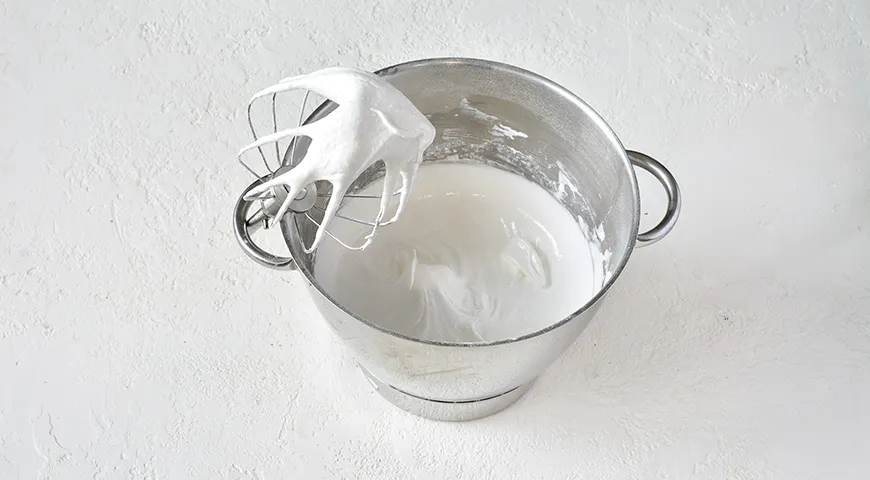
Cut the butter into small cubes and let it sit at room temperature for 30 minutes. In a separate large bowl, beat the egg whites with a clean whisk attachment until soft peaks form. Gradually add the remaining 300 g sugar, continuing to beat until stiff, glossy peaks form. The meringue should be thick and homogeneous. An immersion blender can be used for this step if you prefer a handheld approach, though a stand mixer yields consistent results.
Step 4: Combine Wet and Dry
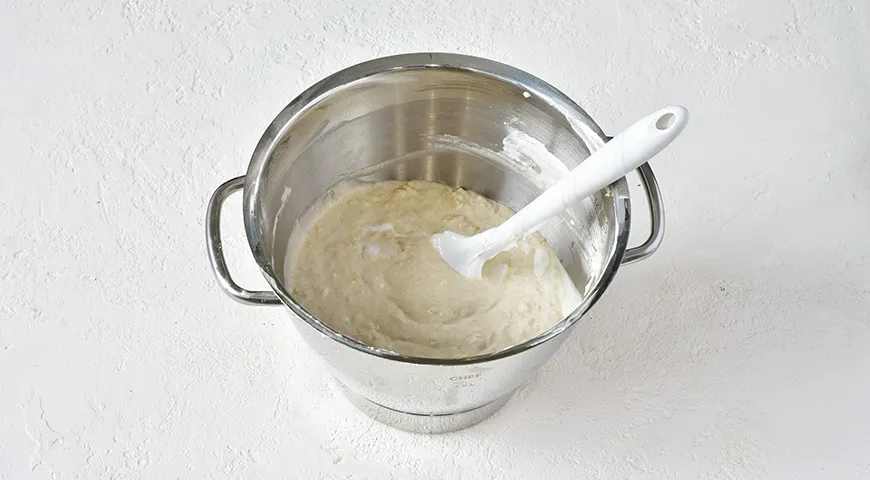
Add the softened butter to the sponge and stir gently. Sift in the remaining 320 g flour and salt. Mix until a soft dough forms. Then fold in the meringue in three additions, using a rubber spatula or a mixer on low speed. The dough will be very soft and sticky.
Step 5: First Rise
Cover the bowl with plastic wrap or a towel and let the dough rise in a warm place for 2 hours, or until at least doubled in size. For a consistently warm environment, a microwave pressure cooker can be used as a proofing chamber (with a cup of hot water).
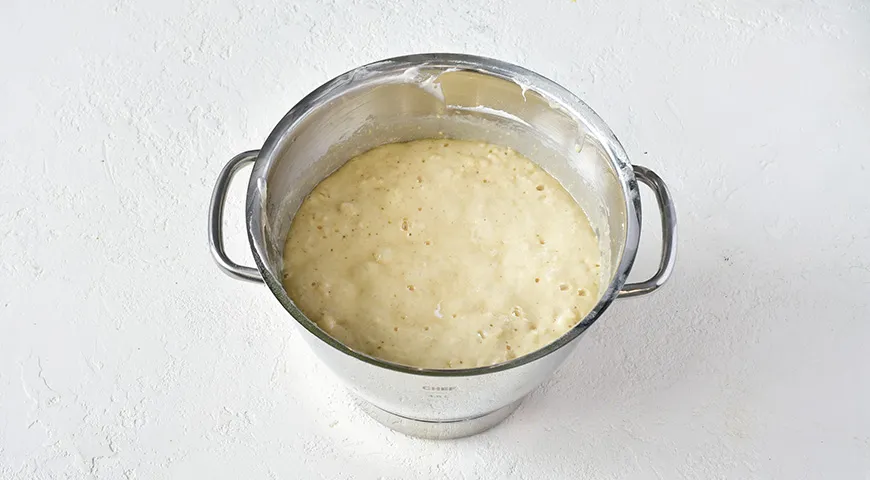
Step 6: Fill the Molds
Line your kulich molds or tall cans with parchment paper. Lightly grease with butter or use an oil sprayer for even coating. Divide the dough among the molds, filling them no more than half full. Cover and let rise for another 30 minutes.
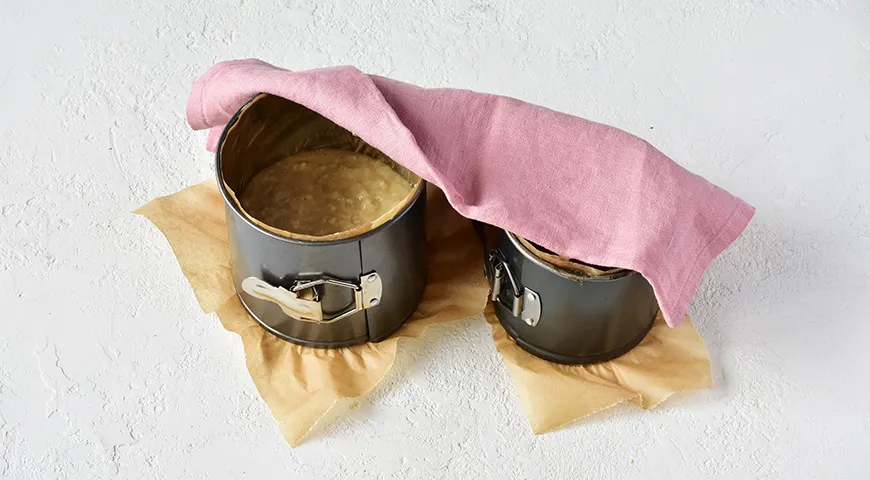
Step 7: Bake
Preheat your oven to 180°C. Bake the kulich for 20–30 minutes, until deeply golden and a skewer inserted comes out clean. If the tops brown too quickly, tent with foil or a dampened parchment round. For even baking, a commercial countertop convection oven provides excellent heat distribution.
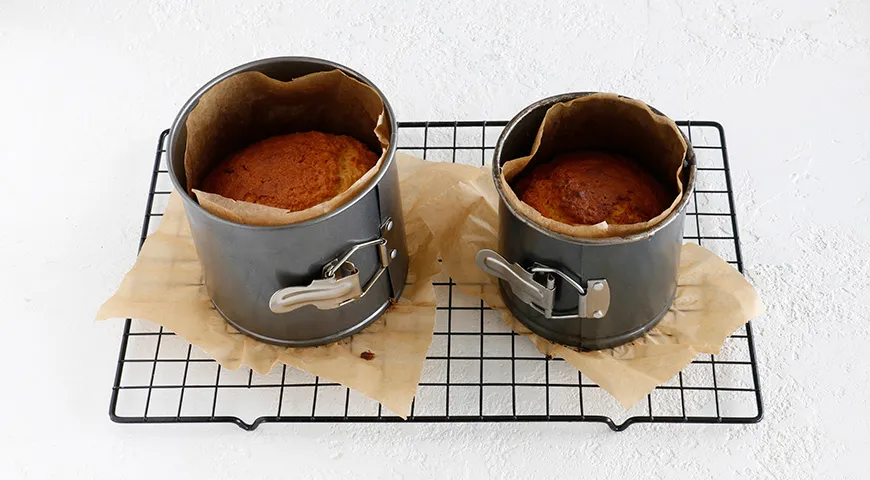
Step 8: Cool and Decorate
Let the kulich cool in the pans for 10 minutes, then transfer to a wire rack and lay them on their sides to cool completely. This prevents the delicate crumb from compressing. Decorate with your favorite glaze or chocolate‑covered raisins for a festive touch.
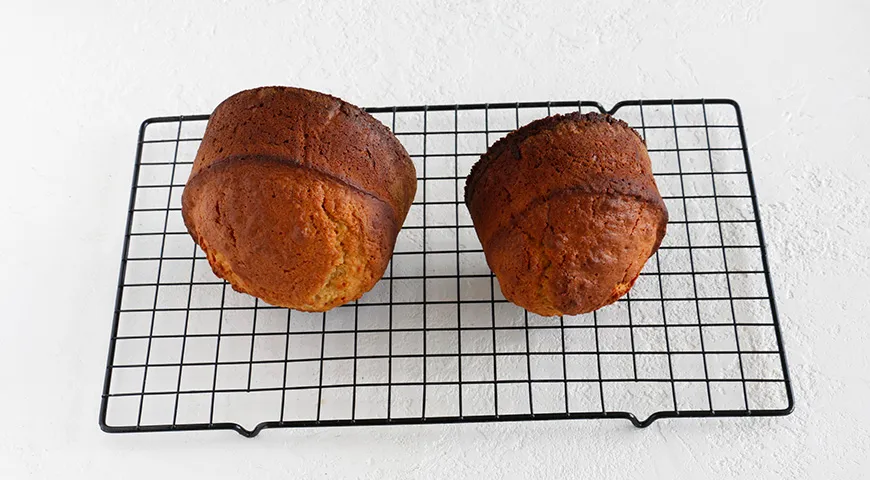
Tips for Success
- Temperature matters: Keep all ingredients at room temperature except the milk (warmed to 35°C). Cold whites will not whip properly. Use a glass food processor if you want to check dough consistency through the bowl.
- Don’t overmix: Fold the meringue gently to preserve air. Overworking the dough will yield a dense bread.
- Check oven accuracy: An oven thermometer is essential. A wall oven microwave combo with air fryer can offer precise temperature control.
- Cool completely: Always cool kulich on its side to avoid collapse. Store in an airtight container for up to 3 days.
Variations to Explore
This protein kulich is a canvas for creativity. Add a handful of dried cranberries or candied citrus peel to the dough before the final rise. For nutty notes, fold in chopped almonds or pistachios. Create a saffron‑infused version by steeping a pinch of saffron in warm milk. Pair with a George Howell coffee for a morning treat, or serve with a organic vodka for an adult twist during Easter brunch.
Frequently Asked Questions
What is protein kulich?
Protein kulich is a Russian Easter bread that uses only egg whites (no yolks) for its structure, resulting in an exceptionally light and airy crumb. The whites are whipped into a meringue and folded into the dough.
Can I use whole eggs instead?
This recipe is specifically designed for whites only. Substituting whole eggs will change the liquid‑to‑protein ratio and yield a heavier bread. For a classic yolk‑enriched version, see our Catalan sponge recipe for inspiration.
Why did my kulich collapse after baking?
Collapse usually indicates under‑baking or opening the oven door too early. Ensure the bread reaches an internal temperature of 90°C. Baking in a non‑toxic air fryer (set to bake mode) can provide consistent heat.
How do I store protein kulich?
Store cooled kulich wrapped in plastic wrap at room temperature for up to 3 days. For longer storage, freeze whole or sliced in a 48‑inch built‑in refrigerator set to -18°C. Thaw at room temperature before serving.
Can I make this dairy‑free?
Yes, substitute the milk with almond or oat milk and use vegan butter. The meringue structure remains intact. For proofing, a undercounter ice maker can supply cold water for any adjustments.
This protein kulich is a celebration of simplicity and technique. With its tall, golden form and cloud‑like interior, it will become a cherished addition to your Easter table. For more inspiration on equipment and recipes, explore our collection of espresso machines under $2000 to brew the perfect accompaniment, or browse the best lava flavors for a creative dessert pairing. Happy baking!







