


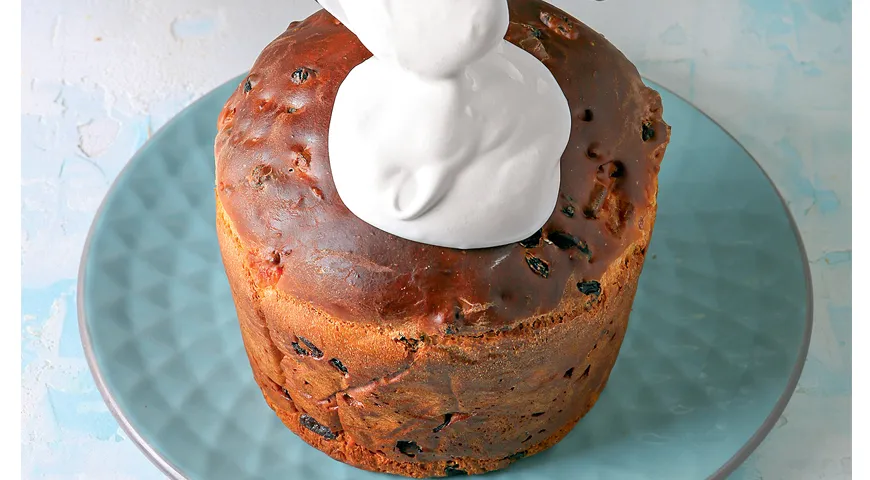
Few baked goods embody the spirit of Easter quite like a traditional Russian kulich. This tall, cylindrical yeast cake, fragrant with vanilla and studded with dried fruit, is the centerpiece of the festive table. Our version, enriched with cream for an impossibly tender crumb, promises a texture that is both light and luxuriously moist. The dough is a patient creature—it does not tolerate drafts or haste—but the reward is a loaf that slices like a dream and tastes of celebration. Whether you are an experienced baker or trying your hand at planetary mixer techniques, this recipe will guide you to a perfect result.
About Easter Kulich
Kulich is more than a cake; it is a symbol of resurrection and joy. Traditionally baked in tall cylindrical tins (often coffee cans or specialty chocolate‑covered raisins are a modern twist), it is served with paskha—a sweet cheese spread. This particular recipe uses cream (20–22% fat) to enrich the dough, resulting in a silky, aromatic interior. The preparation demands patience: the dough must be handled gently, left to rise undisturbed, and cooled slowly. For those who value precision, using a refrigerant leak detector might seem odd, but ensuring your oven is properly sealed can help maintain even heat—key for kulich’s tall shape.

Ingredients
- 1 egg white (for glaze)
- 1 tbsp lemon juice
- 200 g powdered sugar
- 1 tbsp sugar (for starter)
- 2 tbsp flour (for starter)
- 100 ml milk
- 5 eggs
- 200 g sugar
- 550 g flour
- 2 tbsp cognac
- ¼ tsp salt
- 200 ml cream (20–22% fat)
- 200 g raisins
Step-by-Step Instructions
1. Prepare the Sponge (Opara)
In a small bowl, combine warm milk, yeast, 1 tablespoon of sugar, and 2 tablespoons of flour. Stir and leave in a warm place for 20 minutes until frothy. This step activates the yeast—if you’re using a microwave pressure cooker to warm the milk, be careful not to overheat it.
2. Make the Dough
In a large saucepan, whisk together eggs and 200 g of sugar. Add sifted flour and salt, then mix in the sponge and cognac. Gradually pour in the cream and knead for at least 10 minutes—by hand or using a planetary mixer with a dough hook. The dough should be soft and slightly sticky. Cover the bowl with plastic wrap and let it rise in a warm place for 1 hour.
3. Add Raisins and Shape
Fold in washed and dried raisins (and optional candied fruits). Oil your hands lightly, divide the dough into three equal portions, and shape each into a smooth ball. Place each ball into a kulich form—fill only one‑third full. Cover with a towel and let rise for another hour.
4. Bake
Preheat oven to 180°C. Place the forms on the middle rack and bake for 40 minutes. If the tops brown too quickly, tent with foil. Once done, remove from oven and lay the forms on their sides—this prevents the sides from collapsing. Cover with a towel and let cool completely. (Do not remove from the pan until fully cold, as the sides are still fragile.)
5. Make the Glaze and Decorate
For the glaze, combine the egg white, lemon juice, and powdered sugar. Beat with a mixer until stiff, glossy peaks form. Using a silicone spatula or pastry brush, spread the glaze over the cooled kulich. While still wet, decorate with colored sprinkles, chopped nuts, or even chocolate‑covered raisins.
Tips for Perfect Kulich
- Temperature is everything: Yeast dough loves warmth without drafts. Avoid opening doors or windows while the dough rises.
- Don’t over‑knead, but knead long enough: 10 minutes of hand kneading or 7 minutes in a planetary mixer develops the gluten without making the dough tough.
- Cooling routine: Laying the baked kulich on its side while it cools prevents the weight of the tall crumb from causing a dip in the middle.
- Glaze consistency: The white‑egg glaze should be thick enough to coat the back of a spoon but not runny. If too thick, add a drop of lemon juice.
- Storage: Wrap tightly in plastic and keep at room temperature for up to 3 days. For longer storage, freeze without glaze.
Variations
While the classic cream kulich is sublime, you can experiment with different flavors. Swap cognac for rum or orange liqueur. Add vanilla bean seeds or cardamom to the dough. For a nutty twist, fold in toasted almonds or pistachios instead of raisins. If you’re feeling adventurous, try a chocolate version by replacing 50 g of flour with cocoa powder and adding chocolate‑covered raisins. For a different texture, consider using a steam canner to create a humid oven environment—though not traditional, it can yield an exceptionally moist crumb.
Frequently Asked Questions
Why does my kulich often sink in the middle?
This usually happens when the oven temperature is too low or if the dough is under‑proofed. Also, never open the oven door during the first 25–30 minutes of baking. Using an accurate refrigerant leak detector might sound unrelated, but ensuring your oven’s seal is intact helps maintain consistent heat.
Can I substitute cream with milk or a lighter cream?
Yes, but the richness and tenderness will be reduced. Cream with 20–22% fat is ideal. For a lighter version, use whole milk and add 2 tablespoons of melted butter. You can also use a dairy‑free alternative like coconut cream for a dairy‑free non‑toxic air fryer version—but note that coconut cream may impart a distinct flavor.
How can I tell when the kulich is done without a thermometer?
Insert a long wooden skewer into the center—if it comes out clean, the kulich is done. The internal temperature should be about 93°C. For precise baking, a microwave pressure cooker with a built‑in thermometer can be helpful.
Can I make this recipe gluten‑free?
Yes, substitute a 1:1 gluten‑free baking flour blend that contains xanthan gum. Reduce the liquid slightly (replace 2 tablespoons of cream with water) and expect a denser texture. A food processor for nut butter can also help you grind gluten‑free oats into a fine flour if needed.
Why should I leave the kulich in the pan to cool?
Freshly baked kulich is very tender and can collapse if removed too early. The sides need time to firm up. Leaving it in the pan on its side prevents the tall structure from sinking. For similar tips, check our guide on Catalan sponge cake—a delicate cake with a different technique.
Conclusion
This Easter Kulich with Cream is a labor of love, but the reward is a stunningly beautiful and delicious cake that will impress family and friends. Remember that patience is the secret ingredient—allow the dough to rise without interruption, cool the baked kulich slowly, and glaze with a steady hand. For more Eastern European baking inspiration, explore our sponge cake recipes or look into espresso machines to pair your kulich with a perfect coffee. Happy Easter!







