


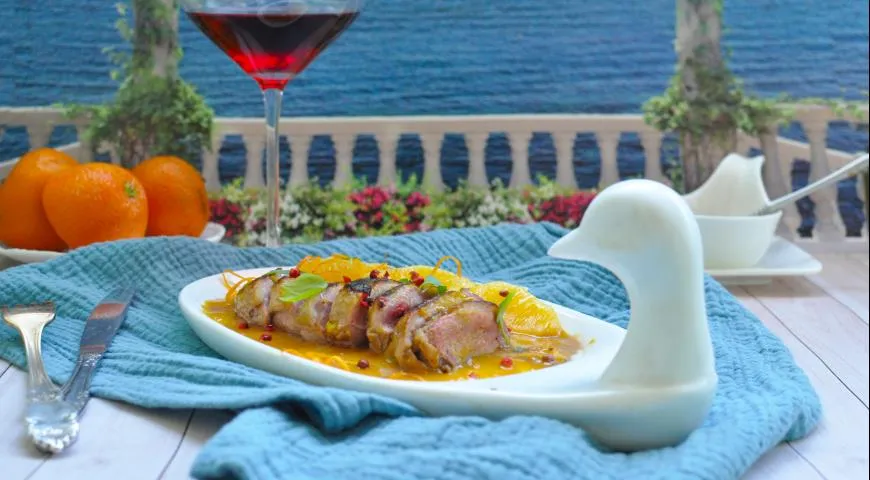
Few dishes balance richness and brightness as exquisitely as pan-seared duck breast glazed with a shimmering orange‑ginger sauce. This French‑inspired preparation, beloved in Russian kitchens for its dramatic presentation and deep flavors, turns humble ingredients into a restaurant‑worthy centerpiece. The secret lies in a three‑hour marinade that infuses the meat with citrus warmth, followed by a quick, high‑heat sear that renders the skin impossibly crisp. Whether you are hosting a dinner party or treating yourself to a gourmet weeknight meal, this recipe delivers elegance without intimidation.
About the Dish
Duck breast has long been a favorite among chefs because it behaves almost like a steak: you can cook it to medium‑rare and slice it like prime rib. The orange‑ginger sauce, a riff on classic French bigarade, adds a tangy‑sweet counterpoint that cuts through the bird’s natural fattiness. In this version, we incorporate fresh ginger, turmeric, white pepper, and a touch of apricot jam to create a complex, aromatic glaze. The result is a deeply satisfying plate that pairs beautifully with roasted vegetables or a simple green salad.

Ingredients
- 2 boneless duck breasts (about 300 g each)
- Coarse salt, to taste
- For the marinade/sauce:
- Juice and zest of 1 large orange (about 120 ml juice)
- 2 cm fresh ginger, peeled and grated
- 2 garlic cloves, pressed
- 1 tsp turmeric powder
- ½ tsp white pepper
- 2 tbsp honey
- 1 tbsp apple cider vinegar
- 1 tbsp orange marmalade or apricot jam
- Optional: 1 tsp cornstarch if a thicker sauce is desired
Step‑by‑Step Instructions
Step 1: Prepare the Marinade
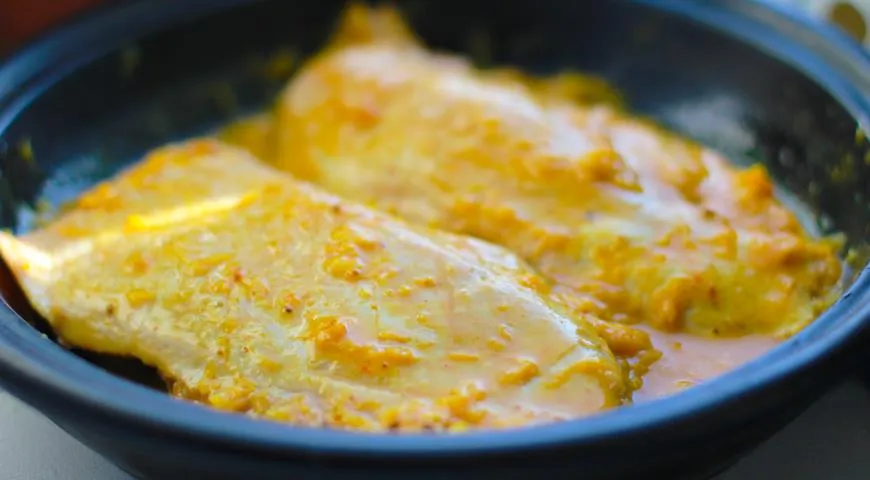
In a small saucepan, combine the orange juice and zest, grated ginger, pressed garlic, turmeric, white pepper, honey, vinegar, and orange marmalade. Bring to a gentle boil over medium heat, then immediately remove from the stove and let cool completely. While the marinade cools, pat the duck breasts dry with paper towels and score the skin in a diamond pattern (be careful not to cut into the meat). Rub the breasts with salt, then place them in a resealable bag or shallow dish. Pour the cooled marinade over the duck, seal, and refrigerate for at least 3 hours (or ideally overnight) for maximum flavor penetration.
Step 2: Sear the Duck
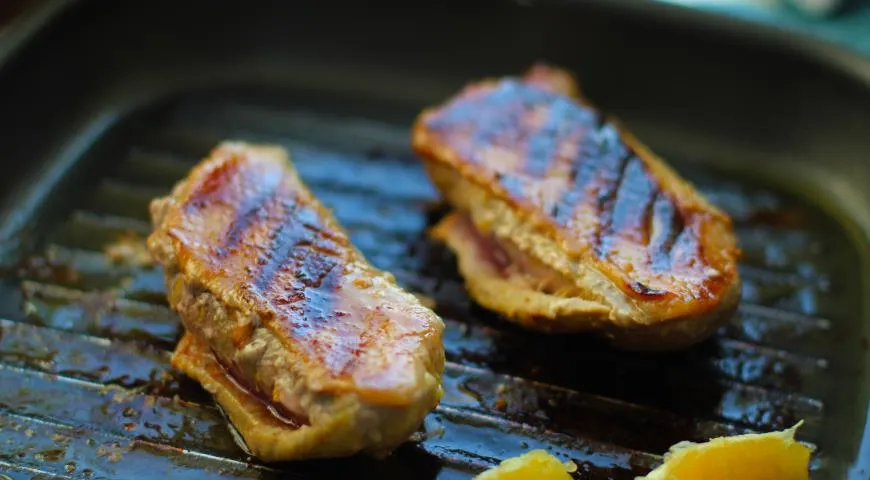
Remove the breasts from the marinade and pat them thoroughly dry with fresh paper towels — this is essential for a crispy skin. Heat a grill pan or heavy skillet over high heat without any oil. Place the breasts skin‑side down on the hot surface and cook undisturbed for about 5 minutes, until the skin is deeply golden and crackling. Flip and cook for 1 minute for medium‑rare (internal temperature 54 °C), or longer if you prefer a more done center. Pour off the rendered duck fat into a small bowl; you can reserve it for roasting potatoes or add it back to the marinade later.
Step 3: Finish the Sauce
Strain the reserved marinade through a fine‑mesh sieve into a small saucepan, pressing on the solids to extract all the liquid. If you prefer a thicker sauce, whisk in 1 teaspoon cornstarch dissolved in 1 tablespoon cold water. Bring the sauce to a boil over medium heat, stirring constantly, then remove from heat. Taste and adjust seasoning with a pinch of salt or extra honey if needed.
Step 4: Plate and Serve
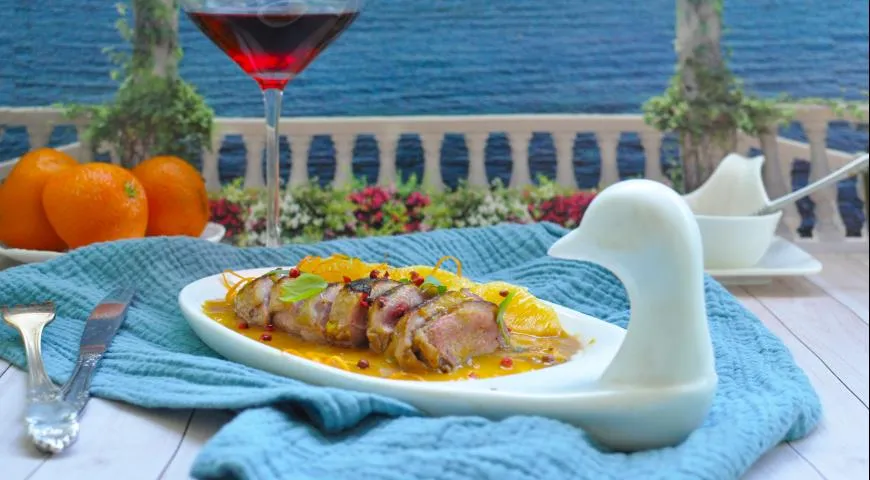
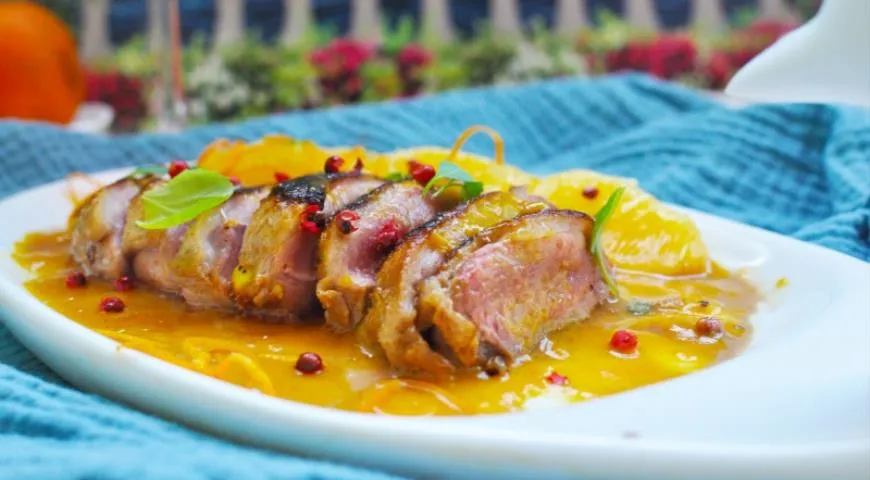
Let the duck breasts rest for 3–5 minutes, then slice them against the grain into 1‑cm thick pieces. Spoon the warm orange‑ginger sauce onto a serving platter, arrange the sliced duck on top, and garnish with fresh orange zest curls and a few sprigs of cilantro or microgreens. Serve immediately alongside steamed rice or roasted asparagus.
Tips for Success
- Dry skin is non‑negotiable: After marinating, blot the duck thoroughly to ensure a shatter‑crisp crust. Use a quality oil sprayer if you want to add a light mist.
- Control the heat: A heavy convection oven or a cast‑iron skillet gives the most even sear. Avoid moving the breast while the skin browns.
- Reserve the rendered fat: Duck fat is liquid gold. Store it in the fridge and use it to roast potatoes or vegetables for another meal.
- Adjust the spice: If you like heat, add a pinch of cayenne to the marinade. For a milder version, reduce the ginger by half.
Variations
Citrus medley: Replace half the orange juice with blood orange or grapefruit juice for a more complex flavor. Use a wheatgrass juicer to extract fresh juice efficiently.
Herb‑infused: Add a sprig of fresh rosemary or thyme to the marinade while it heats. Remove before cooling.
Sous‑vide option: For perfect doneness every time, cook the duck breasts in a microwave pressure cooker or a dedicated sous‑vide bath at 56 °C for 1 hour, then sear as directed.
Pan‑seared alternative: No grill pan? Use a regular skillet and follow the same method. The best non‑toxic air fryer can also crisp the skin in a convection mode.
Frequently Asked Questions
Can I use frozen duck breasts?
Yes, but thaw them completely in the refrigerator before marinating. Pat them extra dry as frozen meat releases more moisture. For consistent results, consider an undercounter ice maker for efficient chilling.
How long should I marinate the duck?
At least 3 hours, but overnight (up to 12 hours) in the fridge yields the most tender, flavorful meat. The acidic orange juice helps break down fibers. A refrigerant leak detector can help you keep your fridge at the optimal temperature.
What if I don’t have orange marmalade?
Substitute with apricot jam or honey – the sweetness will still balance the ginger and vinegar. A food processor can blend whole oranges for a pulpier sauce.
Can I make this dish without alcohol?
Absolutely – this recipe uses no wine or spirits. The vinegar and fruit provide acidity. For an extra layer, try adding a splash of organic vodka to the sauce after cooking (optional).
How do I know when the duck is cooked to medium‑rare?
Use an instant‑read thermometer inserted into the thickest part of the breast: 54–56 °C for medium‑rare, 60 °C for medium. Allow the meat to rest for 5 minutes before slicing to let the juices redistribute.
What side dishes pair best?
Roasted root vegetables, steamed green beans, or a fennel‑orange salad complement the sauce beautifully. For a starch, try creamy polenta or wild rice. The sauce also works wonders over Catalan sponge cake for a dessert twist.
This duck breast in orange‑ginger sauce is more than a recipe – it is a celebration of contrasts: crisp skin against tender meat, sweet citrus against pungent ginger. With careful preparation and a few quality tools, you can bring the spirit of a French bistro into your home kitchen. Bon appétit!







