


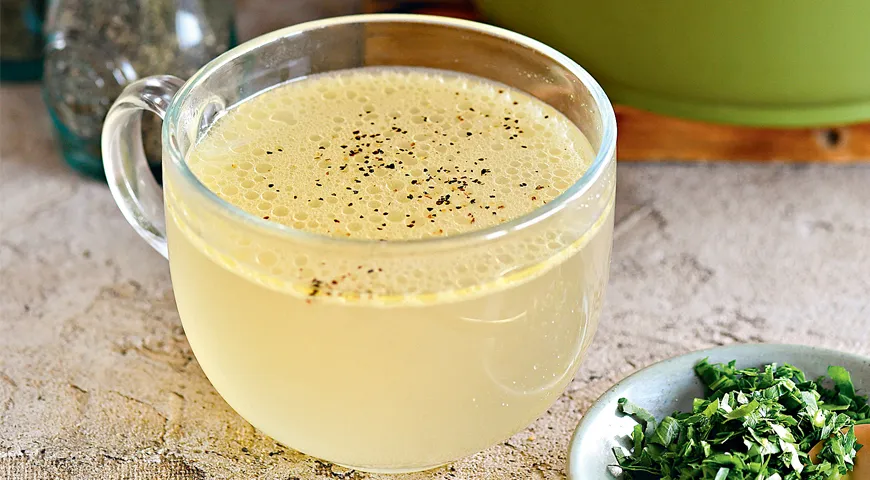
The humble chicken bone broth is the quiet hero of the kitchen—a shimmering, aromatic liquid that transforms soups, sauces, and risottos from ordinary to sublime. In Russian cuisine, this golden elixir is known as bulon iz kurinykh kostey, and its preparation is a meditative ritual that rewards patience with depth. This recipe, rooted in tradition, uses only the bones of a single chicken along with a handful of vegetables and spices to produce a crystal-clear, intensely savory broth. Whether you are building a foundation for a classic solyanka or simply craving a restorative sip, mastering this technique is essential. For those who appreciate precision, a high-quality non-toxic immersion blender can help emulsify any remaining fat, though traditional straining is all you need.
About Chicken Bone Broth
Bone broth is one of the oldest culinary techniques, celebrated across cultures for both its flavor and its nourishing qualities. The Russian approach emphasizes clarity and a mild, clean taste—achieved by slow simmering and careful skimming. Unlike long-simmered stocks that turn cloudy, this broth is done in just 1.5 hours, preserving a delicate chicken essence. It is a perfect base for air-fryer-roasted vegetable soups or a light consommé. The secret lies in selecting fresh bones and not letting the liquid boil aggressively—just a gentle bubble. For those who enjoy cooking with precision, a commercial countertop convection oven can roast the bones beforehand for a deeper color, though this recipe keeps it simple.

Ingredients
- Bones from 1 chicken (preferably raw, but leftover rotisserie works)
- 1 small carrot, peeled and roughly chopped
- 1 celery stalk, roughly chopped
- 1 onion, quartered (skin on for golden color)
- 2 garlic cloves, smashed
- 5–6 parsley stems (leaves reserved for garnish)
- 5 black peppercorns
- 1 bay leaf
- Salt to taste
Using fresh, organic ingredients enhances the final taste. A food processor for nut butter might seem unrelated, but its sharp blades can also chop these vegetables in seconds. For a deeper flavor, you can add a splash of organic vodka to deglaze the pot after browning the bones—though this step is optional.
Step-by-Step
1. Prepare the bones and vegetables. Place all chicken bones in a large pot. Add the carrot, celery, onion, garlic, parsley stems, peppercorns, and bay leaf. Pour in 1 liter of cold water—enough to cover the ingredients by about 2 cm. Cold water helps extract gelatin gradually.
2. Bring to a gentle boil. Set the pot over medium-high heat. As soon as bubbles appear, reduce the heat to low. A best oil sprayer is not needed here, but you can lightly spray the pot’s rim to prevent foam from sticking.
3. Simmer and skim. Cook the broth at a bare simmer—never a rolling boil—for 1.5 hours. Every 20 minutes, use a spoon or fine-mesh skimmer to remove the gray foam and impurities that rise. This ensures a clear, clean broth. If you have a microwave pressure cooker, you can reduce the time to 45 minutes, but the traditional stove method yields the clearest result.
4. Season and strain. At the end of cooking, add salt to taste—about ½ teaspoon initially, then adjust. Line a fine-mesh sieve with cheesecloth or a clean kitchen towel, and pour the broth through into a clean pot or bowl. Discard the solids. For quick chilling, an undercounter ice maker machine can provide ice to cool the broth safely for storage.
Note: No step images were provided for this recipe, but the process is beautifully simple.
Tips for a Perfect Broth
- Never boil aggressively—keep the liquid just below a simmer to avoid cloudiness.
- Skim frequently; the first 30 minutes are most critical.
- Use cold water to start; hot water can trap impurities.
- If you roast the bones first at 200°C (400°F) for 20 minutes, the broth becomes darker and richer. A wall oven microwave combo with air fryer is perfect for this step.
- Refrigerate overnight and remove the solidified fat for a leaner broth.
Variations
This basic recipe welcomes adaptations. Swap chicken bones for turkey or duck for a different flavor profile. Add a piece of ginger or lemongrass for an Asian twist. For a more intense broth, include a few chicken feet—they add collagen and richness. A planetary mixer isn’t needed here, but its attachments can help shred meat from bones if you reuse them. To preserve large batches, use a steam canner for safe shelf-stable storage.
FAQ
Can I use bones from a roasted chicken?
Yes, leftover bones from a roast chicken work beautifully. They will yield a slightly darker, more caramelized broth. For roasting fresh bones, a best air fryer non-toxic can do the job in less time.
How do I store chicken bone broth?
Refrigerate in airtight containers for up to 5 days, or freeze for up to 6 months. For long-term storage, a 48-inch built-in refrigerator offers ample space for multiple containers.
Is it necessary to skim the foam?
Yes, skimming removes impurities and keeps the broth clear. A wheatgrass juicer isn't related, but a fine-mesh skimmer works perfectly.
What if I don't have cheesecloth?
Use a coffee filter or a fine-mesh sieve lined with paper towels. For an even smoother broth, consider using a non-toxic immersion blender to blend the solids before straining—though this will change the texture.
Can I add wine or vinegar?
A splash of white wine or apple cider vinegar helps extract minerals, but the traditional recipe omits it. For a different character, try a dry sweet wine with high alcohol content in moderation. After your broth is ready, pair it with a light meal and a espresso machine under $2000 for a perfect finish.







