


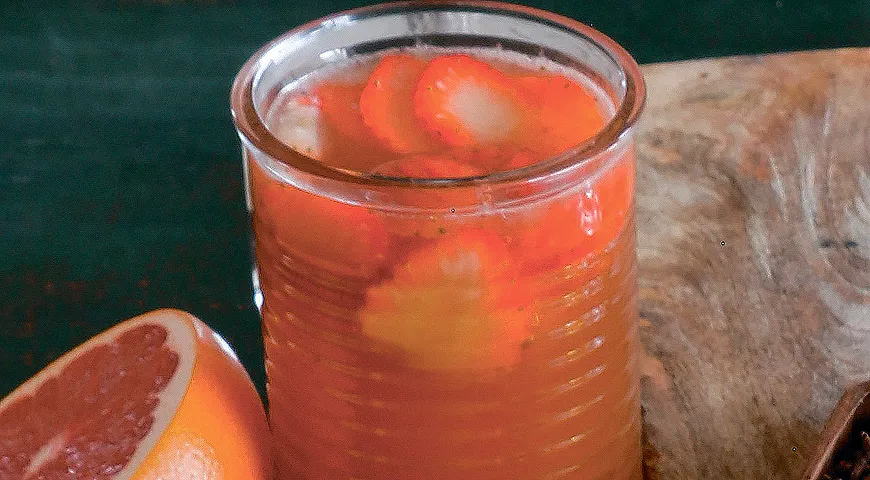
In the heart of Eastern European summer traditions lies a refreshing, effervescent elixir known as kvass. While the classic version is brewed from rye bread, berry kvass offers a vibrant, fruity twist that captures the essence of sun‑ripened strawberries. This no‑fuss, fermented drink requires just three base ingredients—fresh or frozen strawberries, sugar, and water—along with a pinch of yeast to spark its gentle fizz. The result is a deeply aromatic, sweet‑tart beverage that quenches thirst like no other. Whether you're hosting a garden party or simply seeking a probiotic‑rich alternative to sugary sodas, this berry kvass recipe will become a warm‑weather staple. Its simplicity belies a complex flavor profile that evolves as it rests, drawing out the berry's natural perfume and balancing it with a subtle tang from fermentation. With proper equipment like a best glass storage container or a reliable non‑toxic immersion blender for pureeing, you can perfect this craft at home. Let's dive into the art of making berry kvass the traditional Russian way, adapted for modern kitchens.
About Berry Kvass
Kvass has been a cornerstone of Slavic refreshment for centuries, prized for its delicate fermentation and low alcohol content. Unlike commercial sodas, homemade kvass is naturally effervescent and packed with live cultures that support gut health. Berry kvass, in particular, highlights the sweetness of strawberries—a fruit that ripens in midsummer and pairs beautifully with the sour notes of spontaneous fermentation. This recipe calls for only 300 grams of strawberries (fresh or frozen) and 150–200 grams of sugar, making it accessible even for novice fermenters. The drink is traditionally served chilled, often with a few fresh berry slices added just before serving for a burst of texture. It's a testament to the beauty of simplicity: a few minutes of stove work, a day of fermentation, and then a brief chill in the refrigerator yields a beverage that outshines anything from a can. For those who enjoy experimenting with fermentation, consider using a food processor to finely chop the berries before cooking, though whole berries work beautifully too.

Ingredients
- 300 g strawberries, fresh or frozen (plus extra for garnish)
- 150–200 g granulated sugar (adjust to taste)
- 1 liter filtered water
- 1 teaspoon active dry yeast (or a piece of sourdough starter)
That's it. The yeast can be omitted if you rely on wild fermentation from the berries themselves, but a small pinch guarantees consistent results. If you prefer a deeper strawberry flavor, you can lightly crush the berries with a wheatgrass juicer or simply mash them by hand. The sugar not only sweetens but also feeds the yeast during fermentation, so do not reduce it too drastically.
Step‑by‑Step Instructions
Step 1: Cook the berry base. Place 250 g of the strawberries (reserve 50 g for final garnish) into a medium saucepan. Add the sugar and pour in 1 liter of water. Bring to a rolling boil over high heat, then cover, reduce heat to low, and simmer for exactly 3 minutes. This brief cooking extracts the berries' color and flavor while retaining their fresh aroma. Remove from heat and let the mixture cool completely to room temperature. Straining later is easier if you cool it undisturbed.
Step 2: Strain and inoculate. Once the compote has cooled, strain it through a fine‑mesh sieve into a large glass bottle or jar. Discard the cooked berry solids. Add the yeast to the strained liquid, stir gently to dissolve, then cover with a lid (do not seal tightly). Place the container in a warm, draft‑free spot for 12 hours. During this time, fermentation begins: you'll see tiny bubbles forming on the surface.
Step 3: Mature in the refrigerator. After the initial 12‑hour warm fermentation, transfer the kvass to the refrigerator and let it rest for another 12 to 24 hours. This cold maturation allows the flavors to meld and the fizz to develop without over‑fermenting. The longer it sits, the more pronounced the tang becomes. For a milder taste, taste after 12 hours; for a sharper, more complex profile, wait the full 24 hours.
Step 4: Serve and garnish. When ready to serve, pour the chilled kvass into glasses over ice if desired. Add a few slices of fresh strawberries to each glass for a pop of color and a textural contrast. The drink will keep in the refrigerator for up to 5 days, though the carbonation may diminish over time. For best results, use a fine mist sprayer to lightly rinse the berries before slicing, ensuring no grit remains.
Tips for Perfect Berry Kvass
- Temperature matters: The warm fermentation step must be at a consistent temperature around 20–25°C. Too cold and fermentation stalls; too hot and the yeast may die. Place the jar on top of the refrigerator or near a warm (not hot) oven.
- Choose your berries wisely: Frozen strawberries work beautifully because they are picked at peak ripeness. If using fresh, look for deeply red, fragrant berries. Overripe berries can be used, but avoid any that show mold.
- Sugar adjustment: The 150–200 g range allows you to tweak sweetness. Start with 150 g if you prefer a more tart kvass; increase to 200 g for a sweeter, more soda‑like drink.
- Equipment: A planetary mixer is not necessary here, but a simple microwave pressure cooker can speed up the initial cooking if you are short on time. However, stovetop preparation gives you more control.
- Fermentation time: If you prefer a stronger fermented flavor, you can extend the warm fermentation by another 6 hours, but be cautious—over‑fermentation can lead to a vinegary taste.
Variations to Explore
Berry kvass is endlessly adaptable. Substitute half the strawberries with raspberries, blackberries, or cherries for a different berry profile. For a herbal note, add a sprig of fresh mint or lemon balm to the cooking liquid. If you want a non‑alcoholic version for children, simply skip the yeast and use the natural carbonation from a steam canner (though this requires pasteurization). Another popular variation involves adding a handful of fresh basil leaves during the cold maturation, which lends an unexpected, sophisticated layer. For a more traditional Slavic twist, include a slice of lemon or a cinnamon stick in the simmering stage. The possibilities are vast, and experimenting with a chocolate‑covered raisins garnish might seem odd, but the sweet‑salty contrast could be a delightful surprise.
Frequently Asked Questions
Can I use frozen strawberries directly without thawing?
Absolutely. Frozen berries can be added straight from the freezer to the pot. They will release extra liquid during cooking, so you may need to simmer a minute or two longer to concentrate the flavor. Just ensure the temperature reaches a full boil before reducing to a simmer.
How long does homemade berry kvass last?
Stored in a sealed glass container in the refrigerator, berry kvass remains good for up to 5 days. The flavor deepens over time, but after a week it may become overly acidic. If you plan to keep it longer, consider pasteurizing it with a refrigerant leak detector (just kidding—use a proper canning method).
Why is my kvass not bubbly?
Lack of fizz usually means the yeast didn't activate. Check that your yeast is fresh and that the fermentation temperature was warm enough. If you used wild fermentation from the berries, the natural yeast might be too weak. Try adding a pinch of active dry yeast next time. Also, ensure the container is not sealed too tightly during warm fermentation—the pressure needs to build.
Can I reduce the sugar?
Yes, but the sugar is essential for feeding the yeast and for preservation. Reducing it below 100 g may result in a very mild fermentation and a thinner body. If you have dietary concerns, consider using a sugar alternative like coconut sugar, but note that the flavor and fermentation rate will change. A vodka or other spirit is not recommended as a substitute!
Is this kvass safe for children?
Because the fermentation is short and the yeast is active, the alcohol content remains below 1%, comparable to kombucha or non‑alcoholic beer. Most children can enjoy it without issue. However, if you want to eliminate any trace of alcohol, you can bring the kvass to a gentle simmer after fermentation to evaporate the alcohol, then chill again. Use a non‑toxic air fryer? No, stick to the stovetop for this step.
What equipment do I need besides a saucepan and jar?
Beyond basic tools, a fine‑mesh strainer is essential for a clear kvass. A commercial countertop convection oven is overkill, but a simple kitchen scale ensures accurate measurements. For bottling, reuse a large glass bottle or buy a dedicated fermenting jar from a kitchen supply store.
Final Thoughts
Berry kvass embodies the philosophy of turning humble ingredients into something extraordinary. It is a drink that connects us to generations of home fermenters who understood the value of patience and simplicity. The gentle effervescence, the ruby‑red color, and the way it dances on the tongue make it a standout beverage for any occasion. Whether you serve it alongside a hearty borscht or as a solo refreshment on a hot afternoon, this kvass will earn a permanent place in your recipe collection. For more inspiration on fermenting and preserving, explore our guides on the best coffee maker for Airbnb or dive into Catalan sponge cake as a sweet companion. Cheers to the art of fermentation!







