


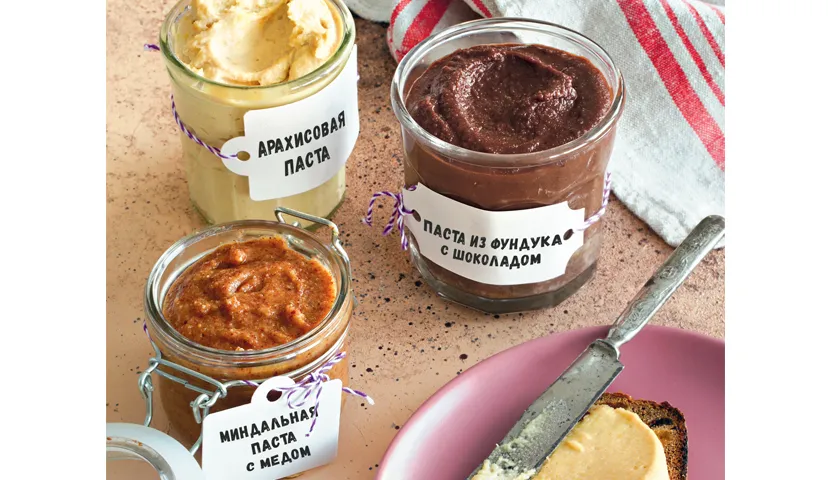
There is something profoundly satisfying about transforming a handful of raw almonds into a silky, golden paste with nothing more than heat, patience, and a whisper of honey. This homemade almond paste with honey recipe elevates the humble nut into a versatile kitchen staple—perfect for spreading on toast, swirling into oatmeal, or using as a base for energy balls. But beyond its culinary charm, making your own nut butter allows you to control texture, sweetness, and quality. In this article, we guide you through every step, from toasting to blending, ensuring a flawless result every time.
About This Recipe
This almond paste with honey is a celebration of simplicity and flavor. Unlike commercial versions that often contain stabilizers and added sugars, this homemade rendition uses just three ingredients: raw almonds, honey, and salt. The secret to its success lies in the toasting process, which deepens the nuts’ natural oils, and the gradual addition of boiling water, which encourages a creamy emulsion. Whether you prefer a smooth, spreadable paste or a chunky, rustic texture, the technique is fully customizable. For those who love experimenting with homemade nut butters, our guide to the best food processor for nut butter can help you choose the right tool for the job.

Ingredients
- 300 g raw almonds (skin on or blanched, see Tips)
- 2 tsp honey (liquid, such as acacia or wildflower)
- 0.5 tsp fine sea salt
- 100 ml boiling water (added gradually)
For the best results, we recommend using a high-performance blender or food processor. If you are unsure which machine suits your needs, check out our review of the best non-toxic immersion blender for smaller batches or the best planetary mixer if you already own one with a grinding attachment.
Step-by-Step Instructions
- Preheat and toast the almonds. Preheat your oven to 180 °C. Spread the raw almonds in a single layer on a baking sheet lined with parchment paper. Toast for 5 minutes, then stir and continue toasting for another 5 minutes until fragrant and lightly golden. Allow the nuts to cool completely. The toasting enhances flavor—for even heating, consider using a commercial countertop convection oven for consistent results.
- Blend with hot water. Transfer the cooled almonds to the bowl of a blender or food processor. With the machine running on high speed, add the boiling water in a thin stream—about 100 ml total—scraping down the sides as needed. This technique helps release the nut oils and creates a smooth cream. If your blender has a glass pitcher, read why we recommend the best glass food processor for durability and absence of chemical leaching.
- Add salt and honey. Once the paste is relatively smooth (it will be slightly warm from the blending), add the salt and honey. Pulse or blend on low until fully incorporated. Taste and adjust seasoning if desired. Transfer the almond paste to a clean, airtight jar. Store in the refrigerator for up to two weeks.
Pro tip: To prevent bitterness, remove the almond skins before toasting. Simply blanch the raw almonds in boiling water for 1 minute, drain, and rinse under cold water. The skins will slip off easily. For other blanching techniques, explore the best steam canner if you plan to process larger quantities.
Tips for Perfect Almond Paste
- Blanching is optional but recommended. If you prefer a lighter color and milder flavor, peel the almonds. Otherwise, the skin adds a pleasant earthiness and extra fiber.
- Water is your friend. Adding boiling water gradually during blending prevents the machine from overheating and helps the paste become creamy without adding extra oil. This is especially useful if you are using a less powerful blender—see our best immersion blender for smoothies for a lightweight alternative.
- Don’t rush the toasting. Under‑toasted almonds yield bland paste; over‑toasted nuts become bitter. Watch closely and stir halfway through.
- Use a silicone spatula to scrape down the blender bowl often. This ensures even grinding and avoids leaving oily patches.
- For a silky finish, let the paste run in the blender for 2–3 minutes after adding the water. A high‑speed machine like the best espresso machine under 2000 may not be suitable for nut butters, but a dedicated nut butter attachment can work wonders.
Variations
Once you master the basic recipe, the possibilities are endless. For a spiced version, add ½ teaspoon of cinnamon or a pinch of cardamom. If you prefer a darker, more complex flavor, substitute the honey with maple syrup or date syrup. For a tropical twist, blend in a tablespoon of coconut oil. You can also create a layered dessert by using this paste as a filling for sponge cakes—try it with the Catalan sponge cake recipe for a delightful pairing. To incorporate this paste into savory dishes, stir a spoonful into Thai curry sauces or use it as a base for almond milk. For those exploring plant‑based milks, our guide to the best wheatgrass juicer might inspire a new kitchen gadget.
How to Store
Homemade almond paste contains no preservatives, so proper storage is essential. Keep the jar in the refrigerator, where it will maintain its freshness for up to 14 days. If you plan to keep it longer, freeze it in an ice cube tray, then transfer the cubes to a zip‑top bag. Thaw individual portions as needed. To maintain the best texture, always use a clean, dry spoon when scooping. The natural oils may separate over time—simply stir well before each use.
Frequently Asked Questions
Can I use roasted almonds instead of raw?
Yes, but adjust the toasting time in the oven to just 2–3 minutes to avoid over‑roasting. Pre‑roasted almonds may already be salted, so reduce the added salt accordingly.
Why did my almond paste turn out dry?
This usually happens when the almonds are not toasted enough to release their oils, or if too little water was added. Next time, increase the boiling water by 1–2 tablespoons and blend for a full 3 minutes. A powerful blender like the best non‑toxic air fryer isn't needed, but a good food processor is key.
Is it necessary to peel the almonds?
No, but the skin can add a slight bitterness. If you are after a pure white paste and a milder taste, blanching and peeling is recommended. Otherwise, keep the skins for added nutrients.
Can I make this recipe without honey?
Absolutely. Omit the honey for a sugar‑free version, or replace it with an equal amount of agave nectar or stevia. For a guide to sweeteners, read our article on best organic vodka—though unrelated, it shows our commitment to ingredient quality.
How long does homemade almond paste last?
Stored in an airtight container in the refrigerator, it stays fresh for up to two weeks. For longer storage, freeze in small portions for up to three months. The best undercounter ice maker machine won't help here, but a dedicated freezer does the trick.
Homemade almond paste with honey is more than a recipe—it is a gateway to mindful cooking. By controlling every element, from the toasting temperature to the sweetness level, you create a product that is healthier, tastier, and more personal than anything from a store. Enjoy it on fresh bread, in baked goods, or straight off the spoon. And if you decide to stock your pantry with the best tools, explore our selection of best 48 inch built-in refrigerator and other appliances to elevate your culinary space.







