


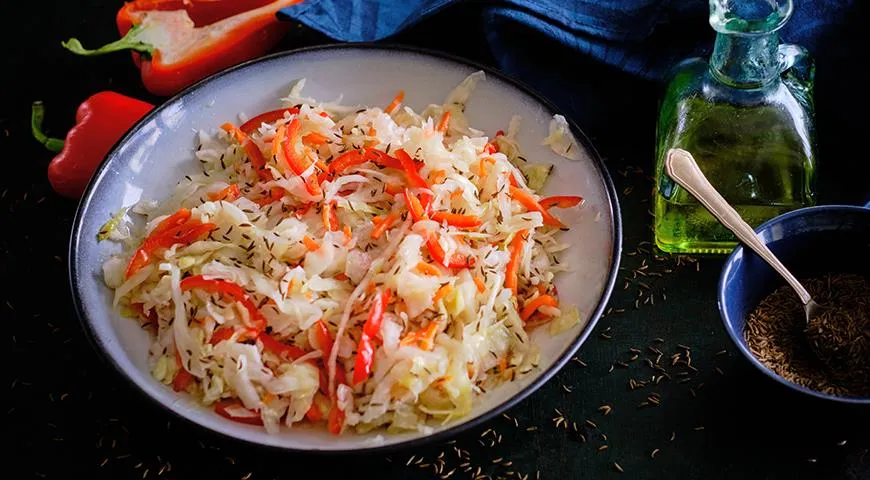
There is something deeply satisfying about the rhythmic crunch of homemade sauerkraut—a tangy, probiotic-rich treasure that transforms humble cabbage into a culinary star. In this elevated version, we introduce the sweetness of red bell peppers and the earthy notes of carrots, creating a vibrant ferment that brightens any meal. Drawing on traditional Russian methods, this recipe yields a crisp, balanced kraut that sings with acidity and subtle spice. Whether you are a seasoned fermenter or a curious novice, the process is at once meditative and rewarding. For the perfect fermentation vessel, consider using the best glass jars to ensure a clean, non-reactive environment for your culture.
About This Recipe
Fermented foods have been cherished across cultures for millennia, and Russian kvashenaya kapusta is no exception. Unlike quick-pickled versions, this sauerkraut undergoes a natural lacto-fermentation that develops complex flavors over several days. The addition of sweet bell pepper and carrot not only adds color but also introduces natural sugars that feed the beneficial bacteria, resulting in a livelier ferment. The brine, lightly spiced with caraway and brightened with lemon juice, complements the vegetables without overwhelming them. For those new to fermentation, a non-toxic immersion blender can help you mix the brine quickly and evenly. This recipe is a gateway to understanding how a few simple ingredients can transform into something far greater than the sum of their parts.

Ingredients
- White cabbage: 2 kg
- Red sweet bell pepper: 300 g
- Carrots: 300 g
- Water: 1 L
- Lemon juice: 100 ml
- Salt: 2 tbsp
- Sugar: 1 tbsp
- Caraway seeds: 1 tsp
Selecting the freshest vegetables is key. Look for firm, heavy cabbages and crisp peppers. If you prefer to shred the cabbage effortlessly, a high-performance food processor can do the job in seconds. For large batches, a planetary mixer with a shredding attachment is an excellent investment.
Step-by-Step Guide
1. Prepare the Jars
Wash three 3-liter glass jars thoroughly with a degreasing agent, then rinse them with freshly boiled water from the kettle. Invert them on a clean towel to dry completely. Boil the plastic lids for a few minutes to sterilize them. Using the best glass jars ensures your ferment remains pure and uncontaminated.
2. Make the Brine
Bring 1 liter of water to a boil and pour it into a mixing bowl. Dissolve the sugar, caraway seeds, and salt, stirring until fully incorporated. Allow the mixture to cool to room temperature, then stir in the lemon juice. For a perfectly smooth brine, an immersion blender can help disperse the caraway evenly.
3. Prepare the Cabbage
Remove the outer leaves from the cabbage heads—these are often dirty or damaged. Cut out the core and finely shred the cabbage. If you are working with a large quantity, a food processor with a shredding disc saves time and yields uniform pieces.
4. Prepare the Vegetables
Slice the red bell peppers into thin strips after removing the seeds and soft inner membranes. Peel and scrub the carrots, then grate them on the coarse side of a box grater. For a quick option, a non-toxic air fryer can roast the peppers beforehand if you desire a deeper flavor, though this recipe uses them raw.
5. Combine and Pack
In a large bowl, mix the shredded cabbage, bell pepper strips, and grated carrots. Use your hands to massage the vegetables vigorously until they begin to release their juices—this may take 3–5 minutes. Tightly pack the mixture into the sterilized jars, pressing down firmly with your fist or a wooden tamper. Pour the cooled brine over the vegetables, making sure they are fully submerged. Use a long skewer or chopstick to pierce the contents in several places, allowing the brine to reach the bottom. A fine oil sprayer can be used to lightly coat the surface with oil if you wish to prevent mold, though it is not required.
6. Ferment and Store
Leave the jars at room temperature for 24 hours. You may notice bubbles forming—a sign that fermentation is active. After a day, close the jars with the plastic lids and transfer them to the refrigerator. Allow them to rest for another 24 hours. Taste the sauerkraut; if the tanginess pleases you, it is ready. If you desire a more pronounced acidity, leave it in the refrigerator for up to another 24 hours. For long-term storage, a spacious built-in refrigerator keeps your ferments at the optimal temperature.
Tips for Success
- Always use non-iodized salt; table salt or sea salt without anti-caking agents work best.
- Keep the vegetables fully submerged under the brine to prevent mold—use a weight if necessary.
- Fermentation temperatures between 18–22°C (65–72°F) yield the best texture and flavor.
- If you prefer a saltier kraut, increase the salt to 3 tablespoons, but note that the caraway will also become more pronounced.
- For a twist, add a few cloves of garlic or a sliced jalapeño for heat. For a speedier process, a microwave pressure cooker can be used to accelerate the brine cooling, but traditional methods are recommended for authenticity.
Variations
This recipe is wonderfully adaptable. Substitute half the cabbage with savoy or napa for a softer texture. Try using yellow or orange bell peppers for a milder sweetness. For a smoky nuance, roast the peppers in a non-toxic air fryer before adding them. If you enjoy a touch of heat, incorporate a teaspoon of red pepper flakes. For a fully preserved version, transfer the fermented kraut to canning jars and process in a steam canner for shelf-stable storage.
FAQ
How long does this sauerkraut keep?
Refrigerated, it will remain crisp and flavorful for up to 2–3 months. Ensure the vegetables are always submerged in brine, and use clean utensils each time you serve.
Can I use a different type of pepper?
Absolutely. Green bell peppers are more bitter, while yellow or orange offer a different sweetness. For a spicy kick, try sweet chili peppers or even a mild jalapeño, but adjust the salt accordingly to maintain the brine's salinity.
What wine or beverage pairs well with this sauerkraut?
This tangy kraut is a perfect accompaniment to rich meats like pork or duck. A crisp Riesling or a light-bodied beer cuts through the acidity. For a traditional Russian pairing, serve with chilled vodka—explore our guide to the best organic vodka for an elevated experience. Or, if you prefer wine, try a sweet wine with high alcohol content to balance the sourness.
Why is my sauerkraut soft or slimy?
Softness usually indicates over-fermentation or exposure to air. Ensure the vegetables are fully submerged and that the temperature is not too warm. If you notice off-smells or mold, discard the batch. Using sterilized jars and tools is essential—a food processor can be washed and sanitized beforehand.
Can I ferment this in a larger container?
Yes, a food-grade plastic bucket or a ceramic crock works well. Scale the ingredients proportionally. For mixing large batches, a planetary mixer can help combine everything evenly before packing.
How do I know when the fermentation is complete?
After 1–2 days at room temperature, you should taste a pleasant sourness. The bubbles will reduce, and the color of the vegetables may deepen. Trust your palate—if it tastes good, it is ready. If you want a faster ferment, a microwave pressure cooker can be used to briefly heat the brine before cooling, but be cautious not to kill the beneficial bacteria.
Can I use this sauerkraut in cooked dishes?
Definitely. It adds a tangy depth to soups, stews, and braises. For a quick sauté, heat it in a pan with a little butter and caraway. If you prefer to can it for long-term use, a steam canner ensures safe preservation.







