


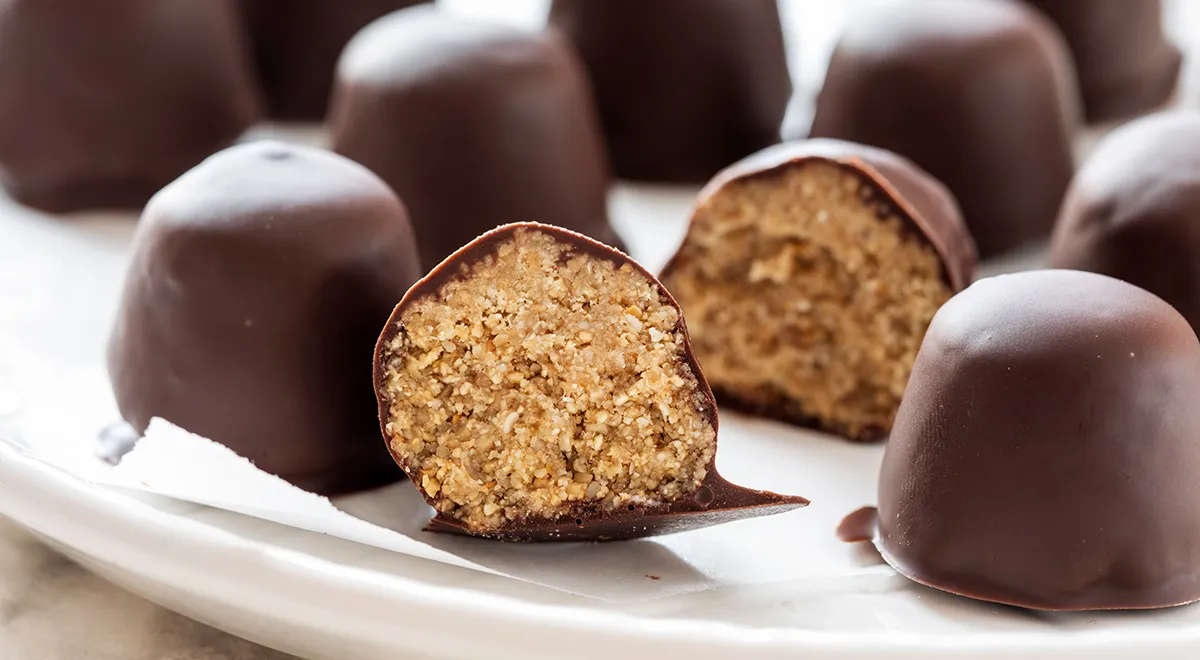
Halva in chocolate is a divine confection that marries the nutty, crumbly texture of traditional sunflower seed halva with a luxurious dark chocolate coating. This Russian classic, transformed into bite-sized treats, offers a perfect balance of sweetness and depth. Whether you are an experienced home cook or a curious beginner, this recipe will guide you through creating a sophisticated dessert that rivals any artisan chocolate shop. With simple ingredients and a few clever techniques, you can craft a confection that is both nostalgic and utterly modern—ideal for gifting, entertaining, or simply indulging.
About This Recipe
Halva (or halva) has ancient roots, spanning from the Middle East to Eastern Europe. This version—chocolate-covered halva—is a contemporary twist that elevates the humble seed-based sweet into a glossy, decadent treat. The key lies in toasting the seeds until fragrant, then grinding them into a fine meal that, when mixed with honey, forms a dense, fudge-like filling. A quick freeze firms the halva, making it easy to dip into melted dark chocolate. The result? A crackling shell that gives way to a soft, almost nut-butter interior. This recipe is naturally gluten-free, vegetarian, and can be adapted to vegan by using a plant-based sweetener. For more inspiration, explore our best food processor for nut butter guide, which is perfect for achieving the ideal grind.

Ingredients
- 200 g sunflower seeds (hulled)
- 50 g sesame seeds
- 3 tablespoons honey (adjust for consistency)
- 150 g dark chocolate (at least 70% cocoa)
- 1 tablespoon refined vegetable oil (such as sunflower or grapeseed)
Quality matters: Use raw, unsalted sunflower seeds for the purest flavor. The sesame seeds add a subtle nuttiness that complements the sunflower base. For the chocolate, choose a high-quality dark chocolate—its bitterness will offset the honey’s sweetness. A refined oil ensures the chocolate remains fluid and glossy. If you need an oil sprayer for greasing molds, check our best oil sprayer recommendations.
Step-by-Step
Step 1: Toast the Seeds
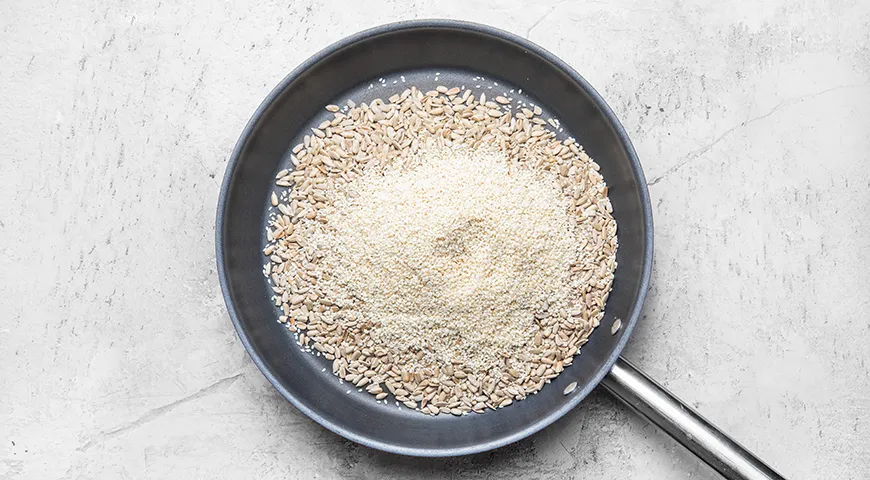
Place the sunflower seeds and sesame seeds in a dry skillet, spreading them in a thin layer. Do not add oil. Set over medium-low heat. Toast, stirring constantly, until the seeds turn lightly golden and release a nutty aroma—about 3–5 minutes. Remove from heat immediately to prevent burning. Let cool completely on a plate.
Step 2: Grind the Seeds
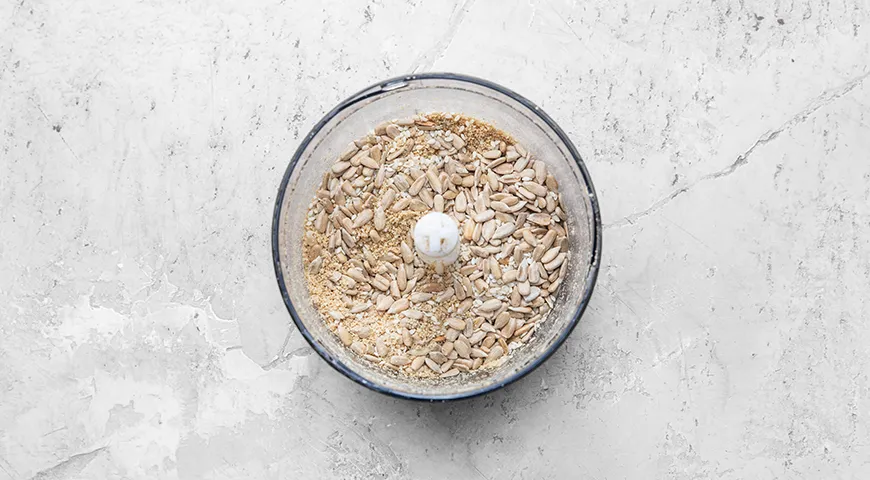
Transfer the cooled seeds to a blender or food processor. Pulse until they become a fine, flour-like powder. Be careful not to over-process into a butter—stop when the mixture is powdery but clumps slightly when pressed. A high-performance blender or best food processor for nut butter works best here.
Step 3: Mix with Honey
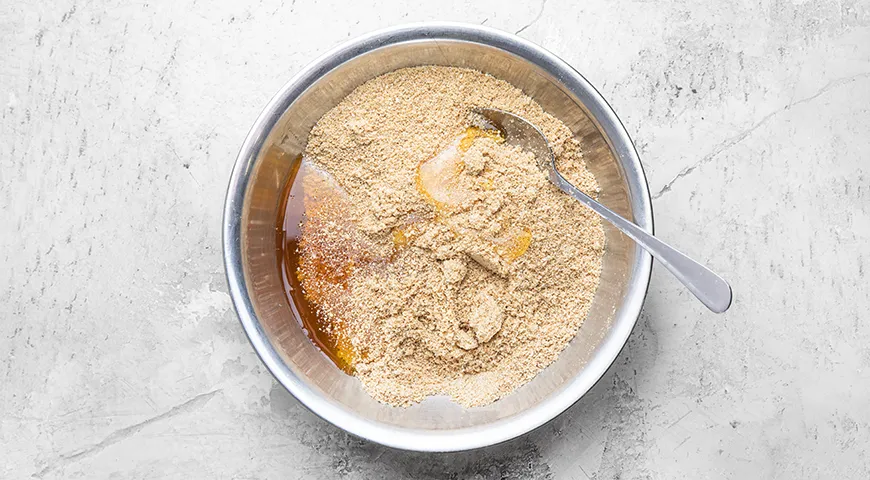
Pour the ground seed mixture into a large bowl. Add the honey a tablespoon at a time, stirring well after each addition. The mixture should become thick, sticky, and cohesive—similar to a stiff cookie dough. If it is too dry, add a little more honey; if too wet, add a spoonful of ground seeds. This step is crucial for the final texture.
Step 4: Shape and Freeze
Press the mixture firmly into a silicone candy mold (with small cavities) or shape into small balls. For uniform bites, use a mold. Place the filled mold on a tray and freeze for 40–60 minutes until solid. This step is essential for clean dipping. If you don’t have a silicone mold, you can roll the mixture into logs and slice later.
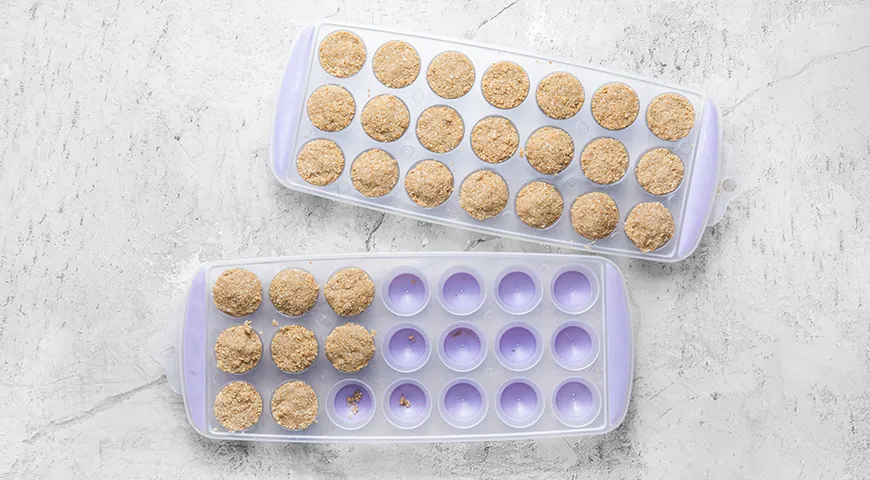
Step 5: Melt the Chocolate
Break the dark chocolate into pieces and place in a heatproof bowl. Add the oil. Set the bowl over a saucepan of barely simmering water (the water should not touch the bowl’s bottom). Melt, stirring occasionally, until smooth and glossy. Alternatively, use a microwave in 20-second bursts. The oil prevents the chocolate from seizing and gives a satiny finish.
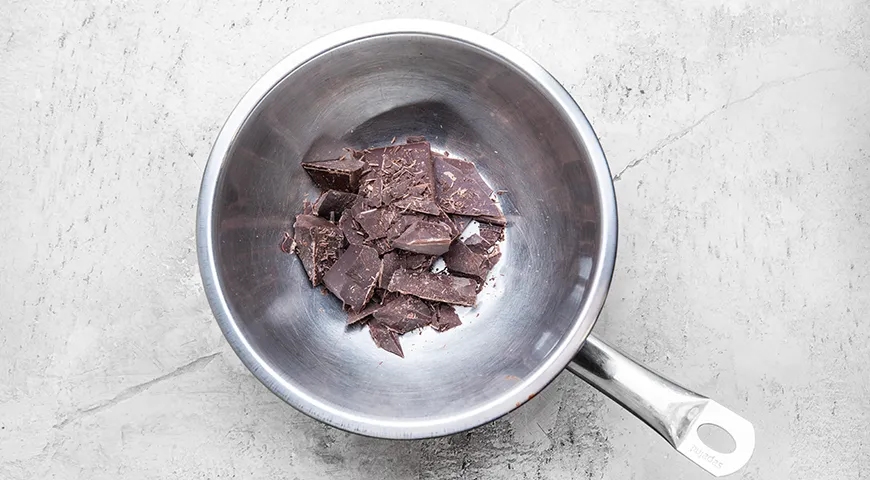
Step 6: Remove Halva from Freezer
Take the halva-filled mold out of the freezer. Let it sit at room temperature for about 10 minutes so the chocolate doesn’t solidify immediately upon contact. While waiting, line a wire rack with parchment paper for draining.
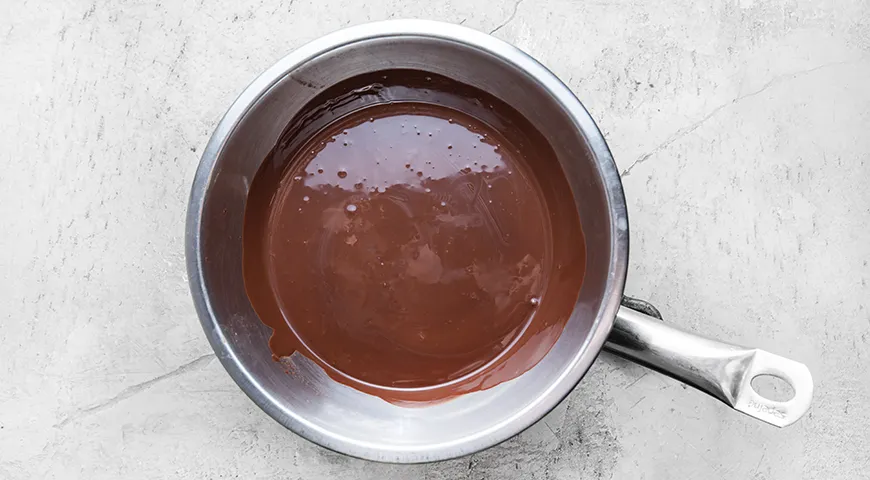
Step 7: Dip in Chocolate
One by one, spear a halva piece on a fork or skewer. Quickly dip it into the melted chocolate, swirling to coat evenly. Lift it out, letting excess drip off, then place it on the parchment-lined wire rack. Repeat with all pieces. Work quickly to avoid melting the halva.
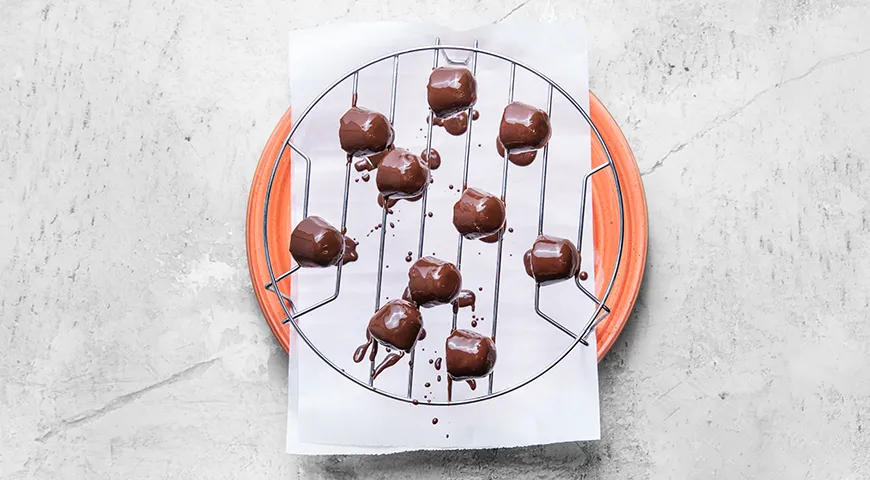
Step 8: Set the Chocolate
Once all halva pieces are coated, allow the chocolate to set completely at room temperature or, for faster results, place the tray in the refrigerator for about 15–20 minutes. The chocolate will harden into a crisp shell. Store in an airtight container in the fridge until serving.
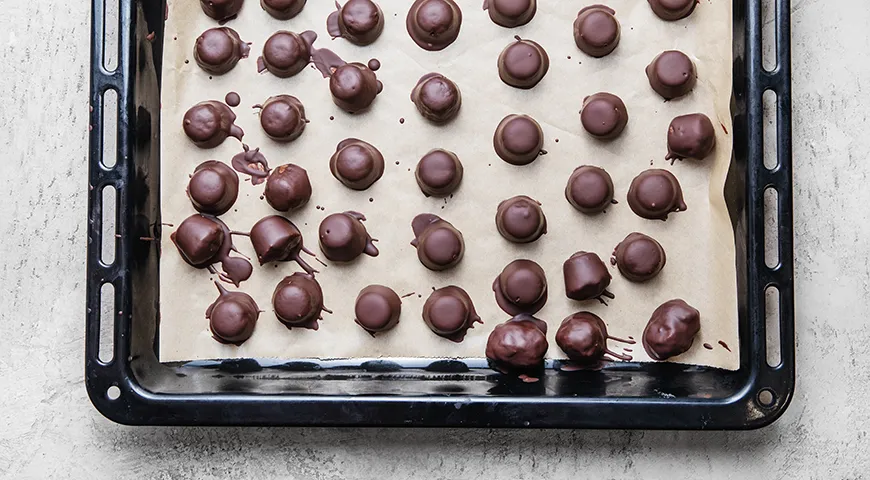
Tips for Perfect Halva in Chocolate
- Seed quality: Use fresh, raw sunflower seeds. Stale seeds will taste bitter. To test, smell after toasting—they should be nutty, not rancid.
- Grinding consistency: Stop the blender when the seeds resemble fine breadcrumbs, not a paste. Over-grinding releases oils and turns the mixture into butter, which won’t hold its shape.
- Honey adjustment: The amount of honey may vary based on the seeds’ moisture content and your preference. The final mixture should be malleable but not sticky.
- Chocolate tempering: For a professional snap, you can temper the chocolate. However, the addition of oil makes this recipe forgiving—just ensure the chocolate is fully melted and not overheated.
- Storage: Keep chilled. The halva softens at room temperature, but the chocolate stays firm. For longer storage, freeze the chocolate-covered pieces for up to one month.
If you enjoy working with chocolate, consider reading our best chocolate-covered raisins article for more inspiration.
Variations
This base recipe is wonderfully versatile. Try these twists:
- Nut halva: Replace sunflower seeds with toasted almonds or walnuts for a different flavor profile.
- Spiced version: Add ½ teaspoon of ground cardamom or cinnamon to the seed mixture before blending.
- Vegan halva: Substitute honey with agave syrup or brown rice syrup. The consistency may be slightly softer, so freeze longer.
- White chocolate coating: Use white chocolate for a sweeter, creamier contrast. Reduce or omit the oil if the white chocolate is already smooth.
- Sea salt finish: Sprinkle a few flakes of sea salt on the chocolate coating before it sets for a sophisticated sweet-and-salty note.
For more creative dessert ideas, check Pa de Pessic Catalan Sponge and other recipes on our blog.
FAQ
Can I use roasted sunflower seeds instead of raw?
Yes, but reduce the toasting time to just 1–2 minutes, as pre-roasted seeds can burn quickly. The flavor will be more intense.
Why did my halva mixture turn into a paste?
This happens when seeds are ground too long. To fix, add more dry ground seeds (if you have extra) or a little ground sesame to absorb the oil. Next time, pulse in short bursts.
How do I store chocolate-covered halva?
Store in an airtight container in the refrigerator for up to two weeks. For longer storage, freeze for up to three months. Thaw in the fridge before serving to avoid condensation.
Can I make this without a blender?
You can use a mortar and pestle or a rolling pin to crush the seeds, but it will be labor-intensive. For best results, use a high-speed blender like those reviewed in our best glass blender article.
Is this recipe gluten-free?
Yes, as long as all ingredients are labeled gluten-free. Honey and dark chocolate are naturally gluten-free, but check labels for additives. Sunflower and sesame seeds are also safe.
For more kitchen gadget recommendations, see our best non-toxic immersion blender guide, which offers an alternative to a bulky food processor.







