


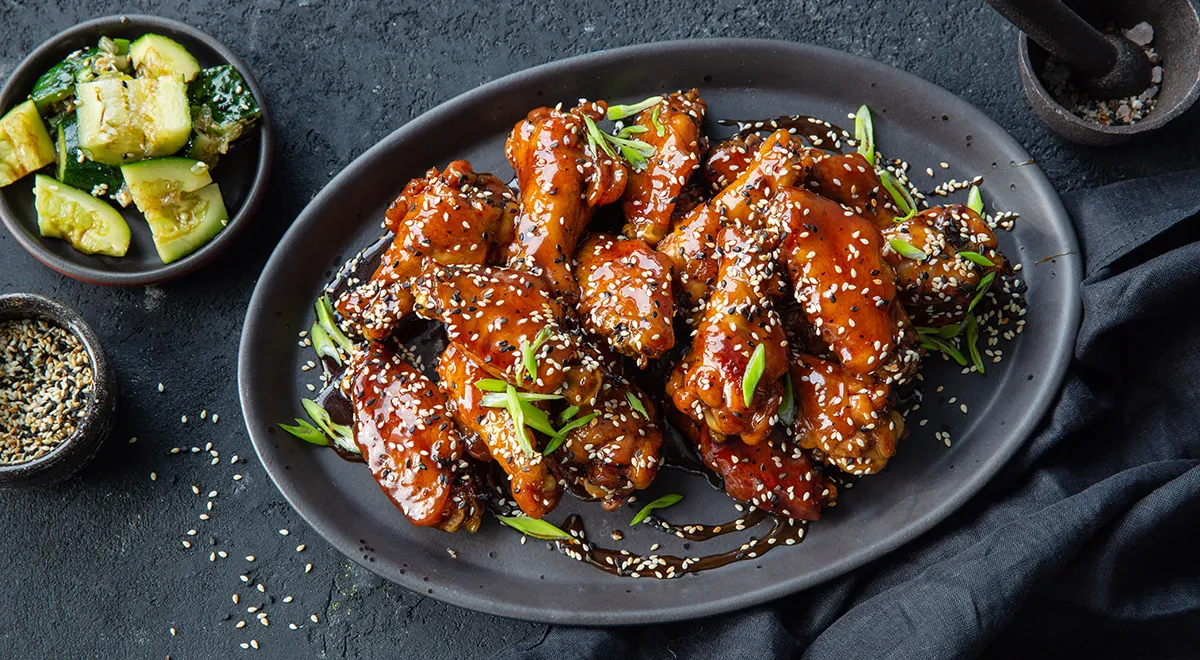
There’s something magical about a plate of glossy, caramelized chicken wings glazed in a rich homemade teriyaki sauce. This recipe for Skillet Chicken Teriyaki Wings delivers a perfect balance of sweet, savory, and umami flavors, with a lacquered finish that rivals any takeout. The secret lies in crafting the sauce from scratch—balancing soy, honey, brown sugar, and a touch of vinegar—then coating pan-seared wings until they gleam. Whether you’re planning a game-day spread or a weeknight dinner upgrade, these wings are guaranteed to disappear in minutes. Let’s dive into the art of making authentic teriyaki wings right on your stovetop.
About the Recipe
Teriyaki is a classic Japanese cooking technique where ingredients are grilled or pan-fried with a glossy soy-based sauce. Our version begins with a homemade teriyaki sauce that thickens to a syrupy glaze, then enrobes crispy chicken wings in a sticky, savory-sweet coating. Using a skillet ensures the wings develop a beautiful sear while the sauce reduces into a shiny glaze—no special equipment needed. This recipe uses 600 grams of chicken wings (about 1.3 pounds) and yields a generous portion for 2–3 as a main or 4–6 as an appetizer. The key steps: prepare the sauce, pan-fry the wings, then toss them in the bubbling teriyaki until every nook is covered in a lacquer-like sheen.

Ingredients
- 600 g chicken wings
- 120 ml soy sauce
- 1 tbsp apple cider vinegar (6%)
- 4 tbsp brown sugar
- 2 tsp dried garlic
- 2 tbsp honey
- 2 tbsp water (for starch slurry)
- 6 tbsp refined vegetable oil
- Salt and black pepper to taste
- Sesame seeds for garnish
For the sauce, you’ll also need 1 tablespoon of cornstarch dissolved in the water. This slurry helps thicken the teriyaki to the perfect consistency. If you don’t have apple cider vinegar, dry white wine or mirin works beautifully.
Step-by-Step Instructions
Step 1: Prepare the Teriyaki Sauce
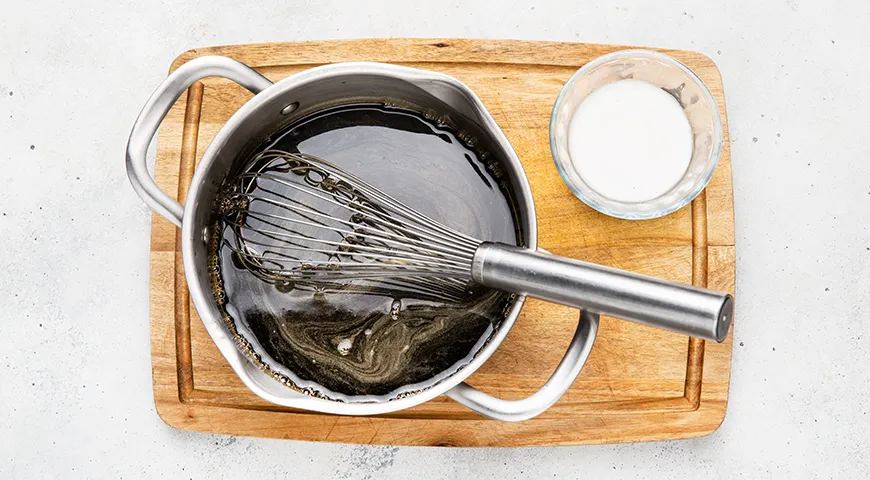
In a small saucepan, combine the soy sauce, honey, and brown sugar. Heat over medium heat, stirring constantly, until the sugar and honey dissolve completely. Meanwhile, dissolve 1 tablespoon of cornstarch in 2 tablespoons of water to create a slurry.
Step 2: Finish the Sauce
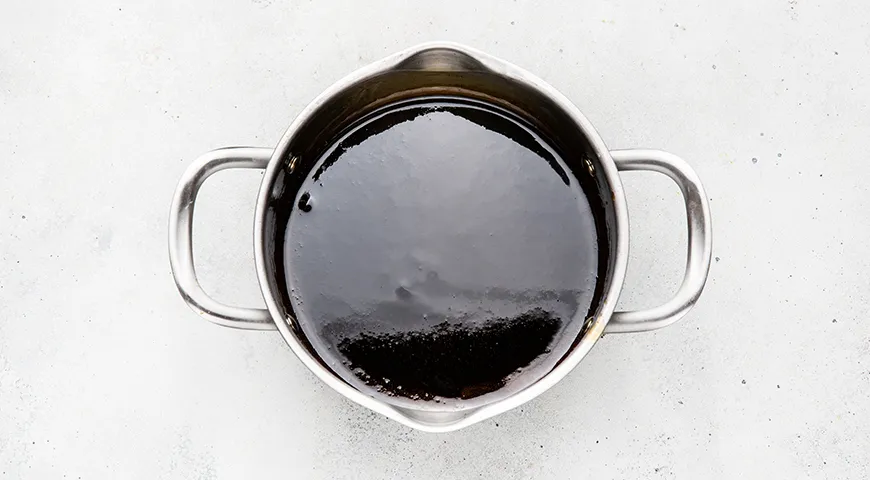
Once the soy mixture is hot, stir in the vinegar (or substitute dessert wine). While whisking continuously, slowly pour in the starch slurry. Reduce the heat to low and cook the sauce until it thickens to a syrupy consistency. Remove from heat and let it cool completely—it will thicken further as it cools.
Step 3: Prep the Wings
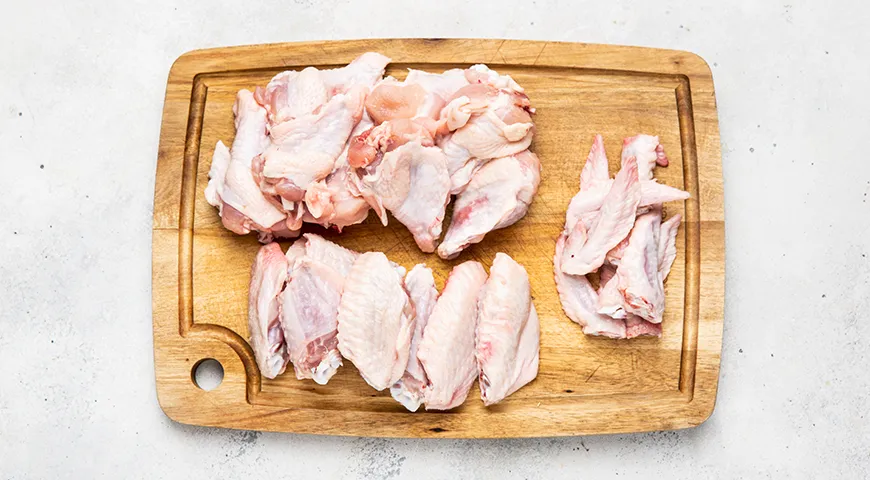
Rinse the chicken wings and pat dry. Using a sharp knife, cut off the pointed tip of each wing (discard or save for stock). Cut each wing at the joint to separate into two pieces. Season lightly with salt and black pepper.
Step 4: Fry the Wings
Heat a large skillet over medium-high heat and add the vegetable oil. Once shimmering, add the wing pieces in a single layer. Cook for 5–6 minutes per side, until golden brown and cooked through (internal temperature 74°C / 165°F). Transfer the wings to a bowl as they finish.
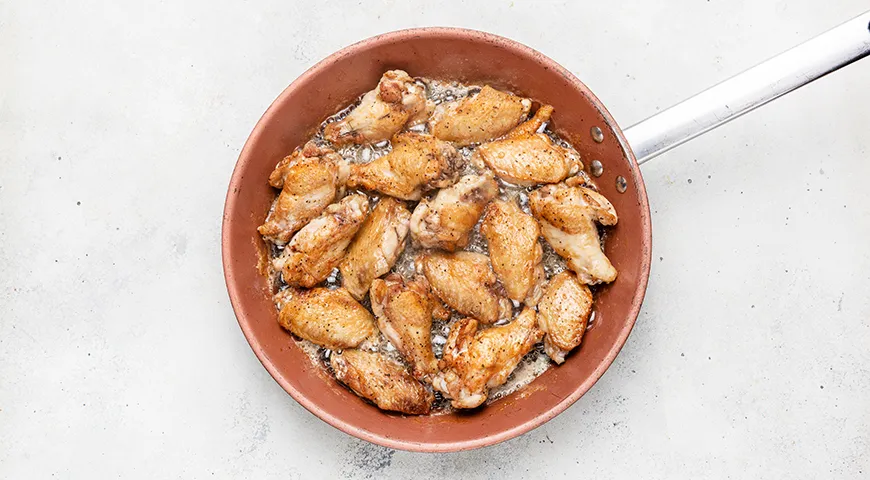
Step 5: Prepare the Glaze
Pour out the excess oil from the skillet and wipe it clean with paper towels (or use a fresh pan). Return the skillet to high heat and add 130–150 g (about ½–⅔ cup) of the prepared teriyaki sauce. Bring to a vigorous boil.
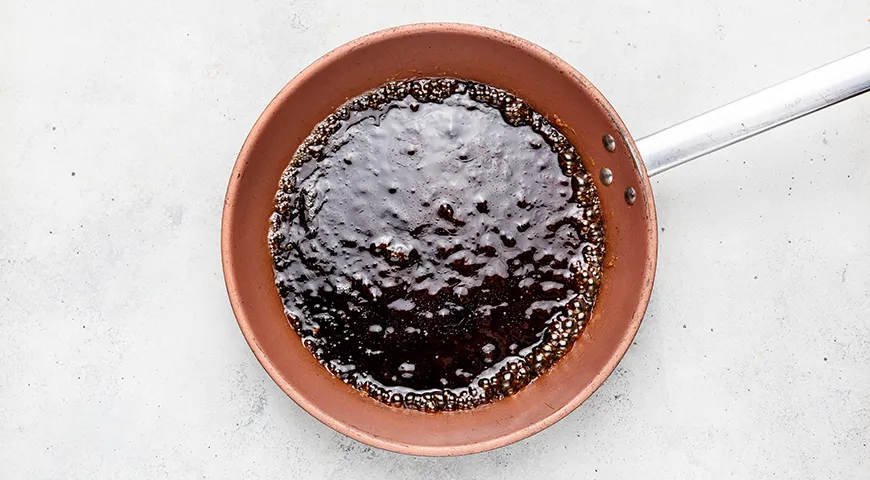
Step 6: Glaze the Wings
Add the fried wings to the boiling sauce. Cook for 7–10 minutes, stirring constantly, until the sauce reduces to a thick, sticky glaze that coats each wing. You should see less liquid remaining and the wings turning glossy.
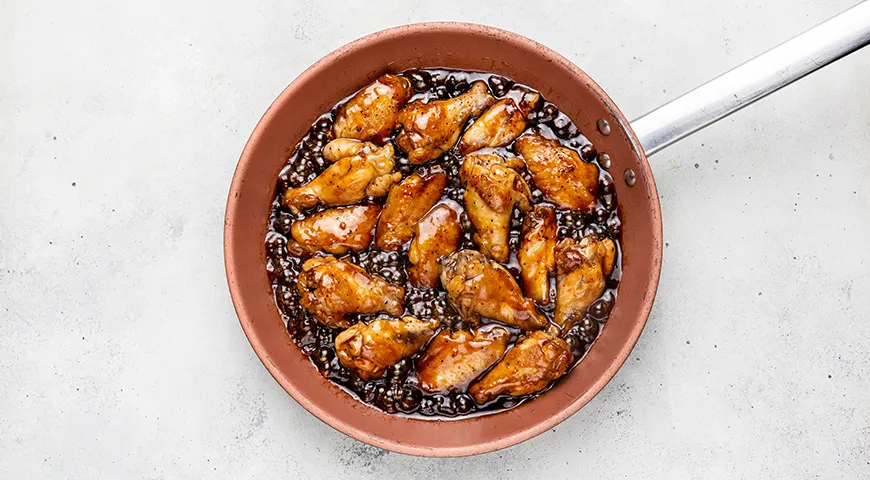
Step 7: Serve
Transfer the glazed wings to a serving platter. Immediately sprinkle with sesame seeds while still hot. Serve with steamed rice, a crisp salad, or your favorite side dish.
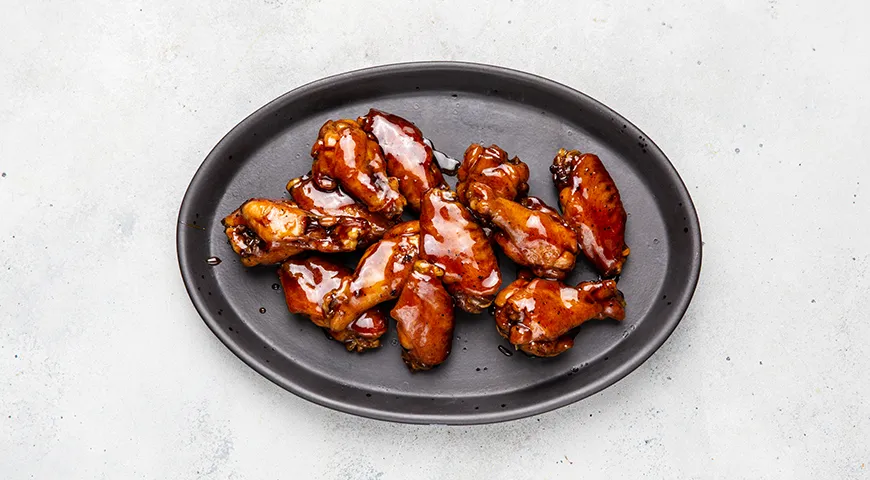
Tips for Perfect Glaze
To achieve that restaurant-quality shine, always wipe the skillet clean after frying the wings—any residual oil will prevent the sauce from sticking properly. Use a non-toxic immersion blender to emulsify the sauce if you prefer a smoother texture, or simply whisk by hand. For an even crispier skin, try air-frying the wings until golden before glazing. The key is to let the sauce bubble vigorously while tossing—this builds the lacquered coating. Always taste the sauce before adding the wings and adjust salt or sweetness with a splash of vodka or extra honey.
Variations to Try
This teriyaki base is incredibly versatile. Swap the chicken wings for drumsticks or thighs—the cooking time may vary slightly. Add a pinch of red pepper flakes for heat, or stir in grated ginger and garlic for extra depth. For a thicker, more luxurious glaze, increase the cornstarch to 2 tablespoons. You can also double the sauce recipe and can it for later use. Serve over sticky rice or alongside sesame-roasted vegetables for a balanced meal.
Frequently Asked Questions
Can I use bottled teriyaki sauce?
Yes, but the homemade version gives you control over sweetness and saltiness. If using store-bought, look for one without high-fructose corn syrup. You might need to adjust the glaze reduction time as bottled sauces often contain added thickeners.
How do I store leftovers?
Store glazed wings in an airtight container in the refrigerator for up to 3 days. Reheat in a skillet over medium heat or in an air fryer to restore crispiness. Avoid microwaving, which makes the coating soggy.
Can I make this recipe gluten-free?
Absolutely. Use tamari or a gluten-free soy sauce in place of regular soy sauce. Confirm that your vinegar and cornstarch are certified gluten-free. Many rice-based alternatives work well.
What can I substitute for apple cider vinegar?
You can use mirin, dry white wine, or rice vinegar. Each will slightly alter the flavor profile—mirin adds sweetness, while wine brings acidity. For a non-alcoholic option, lemon juice diluted with a pinch of sugar works.
Why did my sauce become too thick?
Over-reduction is the usual culprit. To thin the sauce, whisk in a little warm water or extra soy sauce. If it’s still too thick after adding the wings, remove them and microwave the sauce briefly with a splash of water. Remember, the sauce will continue to thicken as it cools.







