


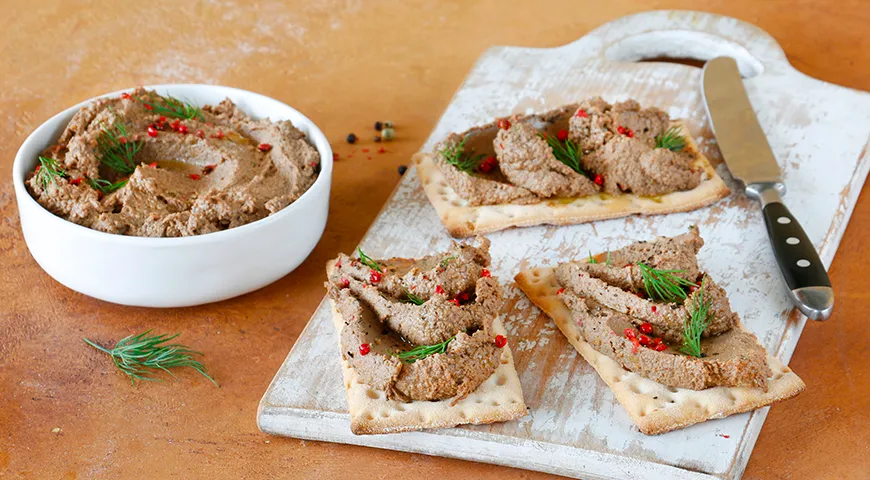
There is something deeply comforting about a well-made pâté. It transforms humble ingredients into an elegant spread that can be whipped up in under an hour. This chicken liver pâté with carrots and onions is a staple in Russian home cooking—rich, silky, and fragrant with dill. The secret? Sautéing the vegetables until they are soft and sweet, then blending everything with butter for a velvety finish. Whether you spread it on crusty bread or use it as a dip for crudités, this pâté is sure to impress. And with the right tools, like a best non-toxic immersion blender or a robust best glass food processor, the process becomes effortless. Let’s dive into this Russian classic.
About This Pâté
This recipe comes from the heart of Russian home kitchens, where chicken liver is a common, affordable ingredient. The addition of carrots and onions not only adds sweetness and color but also helps to lighten the liver’s rich flavor. Dill, fresh or dried, adds a delicate herbaceous note. The final texture is perfectly smooth thanks to a quick spin in the blender. For the best results, use high-quality butter and a reliable appliance. An best glass food processor can handle the job beautifully, but even an immersion blender works wonders. This pâté is ideal for holiday gatherings, picnics, or a simple weekday snack. It also freezes well, though it rarely lasts long enough to test that.

Ingredients
- 400 g chicken livers
- 1 carrot (about 100 g), peeled and grated
- 1 onion (about 100 g), finely chopped
- 2 tablespoons unsalted butter, softened
- 2 tablespoons olive oil
- ½ teaspoon salt
- ¼ teaspoon black pepper
- ¼ teaspoon dried dill (or 1 teaspoon fresh, finely chopped)
Optional: 100 ml milk for soaking the livers (see tips below). For the best olive oil, check out the best oil sprayer for even coating. Serve on crackers or French bread. Pair with a sweet wine like those rated in best sweet wine with high alcohol content for a delightful contrast.
Step-by-Step Instructions
Step 1: Prepare the Livers
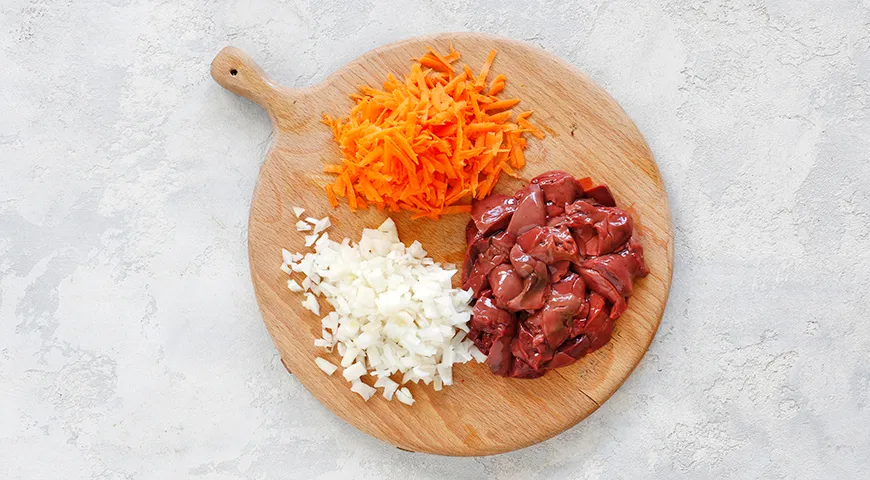
Trim any fat or connective tissue from the chicken livers and discard. For a milder, creamier flavor, soak the livers in milk for about 1 hour, then drain. Cut the livers into bite-sized pieces. Grate the carrot with a box grater, and finely chop the onion.
Step 2: Sauté the Vegetables
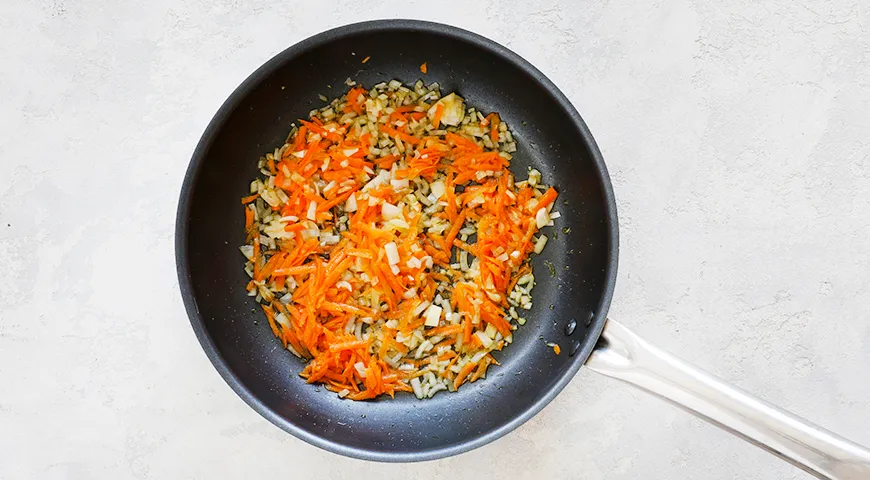
Heat olive oil in a large skillet over medium-high heat. Add the grated carrot and chopped onion. Sauté for about 5 minutes, stirring occasionally, until the vegetables are soft and lightly golden. Be careful not to let them burn. A good best oil sprayer helps control oil usage and prevent sticking.
Step 3: Cook the Livers
Add the chicken liver pieces to the skillet. Cook for about 10 minutes, stirring occasionally, until the livers are cooked through and no longer pink in the center. They should feel tender when pierced with a fork. Stir in the dried or fresh dill, salt, and pepper. Remove from heat and let cool slightly.

Step 4: Blend to Perfection
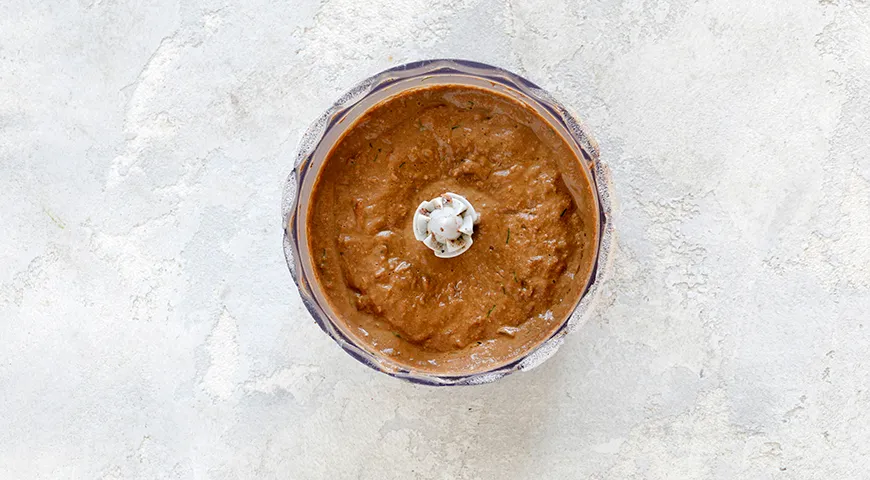
Transfer the cooked liver mixture to a blender or food processor. Add the softened butter. Blend until completely smooth and velvety. Scrape down the sides as needed. For the smoothest results, use a best glass food processor or a best food processor for nut butter—its powerful motor handles the liver with ease.
Step 5: Chill and Serve
Spoon the pâté into a bowl or clean jar. Cover with plastic wrap directly on the surface to prevent a skin from forming. Refrigerate for at least 2 hours, or until firm. Serve chilled or at room temperature on crackers, toasted French bread, or fresh baguette. For extra flair, top with a sprinkle of fresh dill. The pâté keeps beautifully in the fridge for up to a week if stored in a sealed container. A best steam canner can be used for longer preservation, but it's usually eaten too quickly.

Tips for Perfect Pâté
For the silkiest texture, soak the livers in milk for an hour before cooking—this removes any bitterness. Use high-quality butter; European-style butter adds richness. Don’t overcook the livers; they should be just cooked through to retain moisture. For an even smoother result, push the blended pâté through a fine-mesh sieve. Store in the coldest part of your refrigerator, ideally set between 0–4°C. A best 48-inch built-in refrigerator provides excellent temperature control for chilling the pâté quickly. If you prefer a milder flavor, reduce the pepper slightly.
Variations
This pâté is wonderfully versatile. For a boozy twist, add 1 tablespoon of brandy or cognac during cooking. For a smoky note, replace half the butter with bacon fat. Add a clove of garlic when sautéing the vegetables for extra depth. To make it dairy-free, use olive oil instead of butter—though the texture will be less rich. Pair with pickled vegetables or sweet wine like best sweet wine with high alcohol content for a classic Russian appetizer. You can also shape the chilled pâté into a log and coat it with chopped pistachios or fresh herbs for an elegant presentation. For a quick snack, serve it on crackers with a drizzle of honey and a pinch of flaky salt.
Frequently Asked Questions (FAQ)
1. Can I make this pâté ahead of time?
Absolutely. In fact, the flavors meld and improve after a day in the refrigerator. Store it covered in the fridge for up to one week. For longer storage, freeze in an airtight container for up to three months. Thaw in the refrigerator overnight before serving.
2. Can I use a food processor instead of a blender?
Yes. A best glass food processor works beautifully, especially if you double the recipe. The wide bowl allows for easier scraping and even blending. Just be sure to use the steel blade and pulse until smooth.
3. How can I make the pâté even creamier?
Add an extra tablespoon of butter or a splash of heavy cream during blending. You can also fold in a bit of mascarpone cheese for a luxurious texture. If the pâté is too thick after chilling, let it sit at room temperature for 15 minutes before serving or stir in a teaspoon of warm milk.
4. Is it necessary to soak the livers in milk?
Not essential, but highly recommended. The milk draws out any blood and bitterness, resulting in a milder, creamier pâté. If you’re short on time, you can skip this step and simply trim the livers well. The recipe still works perfectly without soaking.
5. What can I serve with chicken liver pâté?
Classic accompaniments include crusty baguette, toast points, crisp crackers, or fresh apple slices. For a Russian-style spread, add pickles, fresh dill, and a dollop of sour cream. Pair it with a glass of sweet wine or even an best organic vodka for an authentic experience. A light salad with arugula and lemon vinaigrette also complements the richness.
This chicken liver pâté with carrots and onions is a testament to the beauty of simple, honest cooking. It deserves a spot in your repertoire—easy, elegant, and endlessly satisfying. Whether you enjoy it as a quick appetizer or a decadent snack, each bite brings a taste of Russian homestyle comfort. And with the right kitchen tools from Walfos, you’ll achieve perfect results every time. Don’t forget to explore other recipes like the Pa de Pessic Catalan Sponge for a sweet finish to your meal. Happy cooking!







