


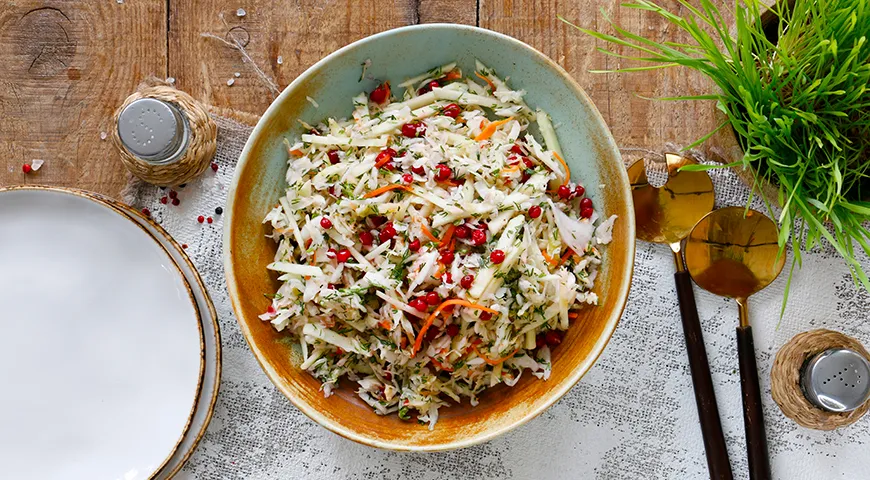
In an era when convenience often trumps craft, this sauerkraut salad with cranberries and apple stands as a quiet celebration of rustic simplicity. While store-bought sauerkraut is ubiquitous, the best results come from artisanal batches—fermented without vinegar, free of excess sugar, and boasting a satisfying crunch. This recipe elevates humble ingredients into a vibrant, probiotic-rich dish that pairs beautifully with hearty winter meals or as a bright counterpoint to roasted meats. It’s a testament to how a few thoughtful components can create something far greater than their sum.
About This Salad
This recipe draws from the Slavic tradition of using fermented foods for preservation and flavor. Sauerkraut, the star ingredient, undergoes lacto-fermentation, which enhances its tanginess and adds beneficial probiotics. The addition of tart apples and ruby cranberries introduces natural sweetness and acidity, while fresh dill (or mint) lends an herbal lift. Unrefined sunflower oil, with its nutty aroma, ties everything together without overpowering. Ideal as a quick side or a light lunch, this salad comes together in minutes and improves with a short rest.

Ingredients
- 400 g sauerkraut (preferably homemade or from a farmers' market, no vinegar or added sugar)
- 2 medium sour apples (300–350 g), such as Granny Smith or Antonovka
- 50 g cranberries (fresh or thawed)
- 1 small bunch dill or mint (20 g)
- 40 ml unrefined sunflower oil (or substitute with cold-pressed rapeseed oil)
Step-by-Step Instructions
-
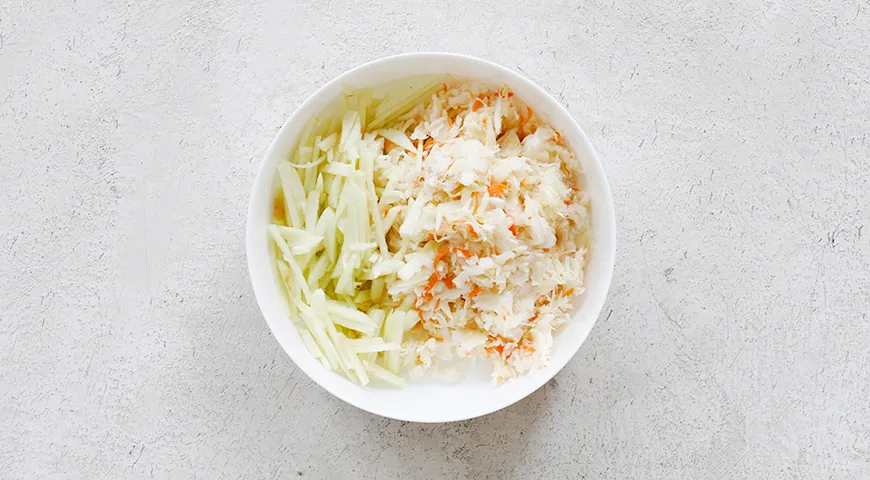
Prepare the sauerkraut: Drain the sauerkraut if very briney, then chop it into shorter, more manageable pieces. This ensures every forkful is balanced.
-
Core and slice the apples: Peel the apples, then cut them into thin matchsticks. Immediately toss with the chopped sauerkraut to prevent browning.
-
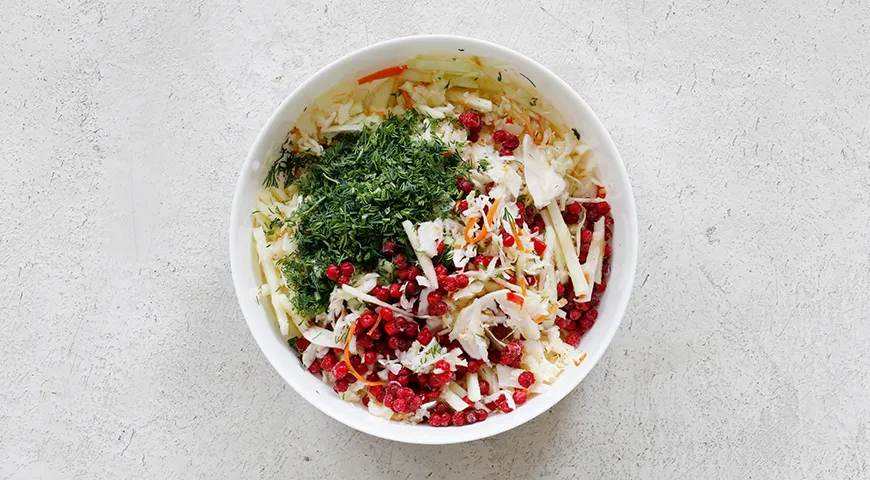
Add herbs and cranberries: Finely mince the dill (if using mint, stack leaves, roll tightly, and slice thinly). Add to the bowl along with the cranberries. Toss gently.
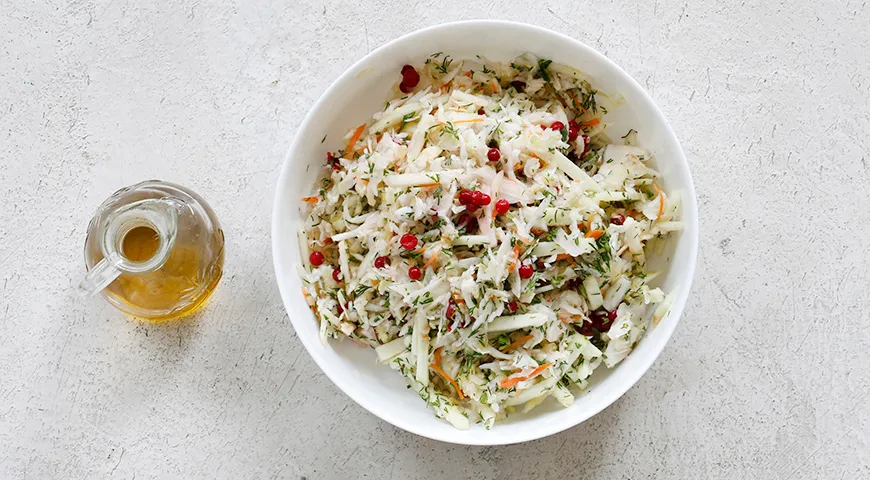
- Dress and rest: Drizzle with the sunflower oil, mix well, and let the salad stand for 5–10 minutes. This allows the flavors to meld. Serve at room temperature.
Tips for Perfect Results
- Always taste the sauerkraut first; if it’s very salty, rinse briefly in cold water and squeeze dry.
- Use a sharp mandoline or food processor for evenly sliced apple matchsticks.
- For a milder flavor, substitute mint for dill—it adds a surprising freshness that pairs well with cranberries.
- Let the salad rest longer (up to 30 minutes) if you prefer a more mellow tang.
- Store leftovers in an airtight container in the fridge for up to 2 days; the texture remains crisp.
Variations to Explore
This salad is remarkably versatile. Swap cranberries for dried cherries or chopped fresh pear in autumn. Add a handful of toasted walnuts or pumpkin seeds for crunch. For a touch of heat, incorporate a pinch of red pepper flakes. If you prefer a creamier dressing, whisk a teaspoon of Dijon mustard into the oil before tossing. The base recipe also works beautifully with air-fried chickpeas for a protein boost. Experiment with different herbs—tarragon or parsley can stand in for dill.
Frequently Asked Questions
What type of apple works best?
Sour apples like Granny Smith, Braeburn, or Antonovka provide the necessary acidity to complement the sauerkraut. Sweeter varieties will make the salad too sugary; avoid Red Delicious or Gala.
Can I use jarred sauerkraut?
Yes, but check the ingredient list. Many commercial sauerkrauts contain vinegar and sugar, which alter the flavor profile. Look for refrigerated brands with only cabbage and salt. This technique is similar to home canning but without the heat.
Is this salad suitable for meal prep?
Absolutely. The salad keeps well for 1–2 days in the fridge. However, add the herbs and oil only just before serving to maintain their vibrant color and aroma.
What can I serve with this salad?
It pairs wonderfully with grilled sausages, roasted pork, or alongside a hearty bowl of borscht. For a lighter meal, serve it on a bed of mixed greens with crusty bread.
How do I make this salad vegan?
It already is vegan—no animal products are used. The only potential non-vegan ingredient is honey in some dressings, but this recipe uses only oil. For added protein, toss in toasted hemp seeds.
Why is my salad watery?
If the sauerkraut is too brine-heavy, squeeze out excess liquid after chopping. Also, avoid adding salt—the sauerkraut is typically salty enough. This step is similar to adjusting moisture in baked goods.
Can I freeze this salad?
Freezing is not recommended as the apples and herbs will lose their texture upon thawing. The sauerkraut itself may become mushy. Enjoy it fresh.
Rediscover the crisp, tangy joy of fermented cabbage with this effortless salad. It’s a reminder that the best dishes often require the least effort—just quality ingredients and a little patience. For more kitchen inspiration, explore our collection of rustic recipes.







