


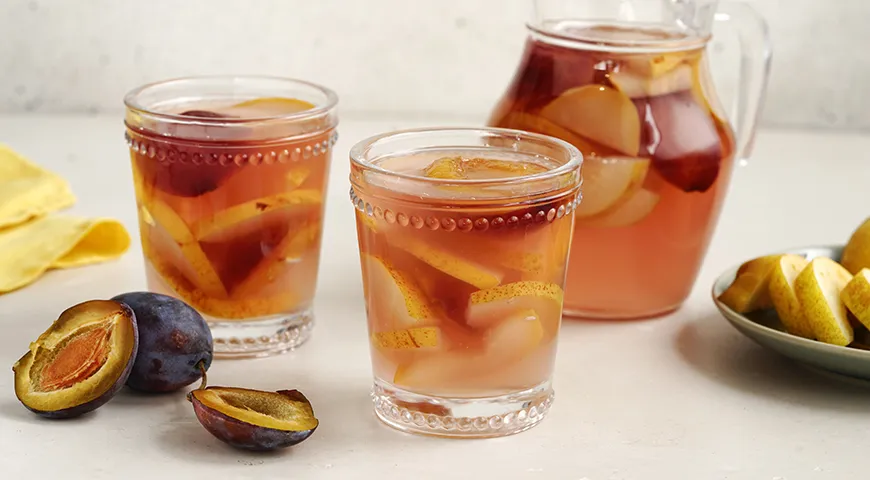
Embrace the essence of summer with this exquisite pear and plum compote, a timeless preserve that captures the delicate sweetness of ripe pears and the tangy depth of plums. Crafted with precision, this recipe transforms simple fruit into a luxurious beverage, perfect for sipping on a warm afternoon or gifting as a homemade treasure. Using gentle blanching and a light syrup, the fruits retain their vibrant colors and natural textures, ensuring a sophisticated result that belies its humble origins. Whether you’re a seasoned preserver or a novice, this guide will walk you through every step to achieve a flawless, shelf-stable compote. For those seeking the best equipment, consider a reliable steam canner to simplify sterilization.
About This Recipe
Pear and plum compote is a classic Eastern European preserve, cherished for its ability to bring the orchard’s bounty to your table year-round. The combination of soft, honeyed pears with firm, tart plums creates a balanced flavor profile that is both refreshing and comforting. This recipe eschews artificial preservatives, relying instead on natural acidity and sugar to preserve the fruit. The technique of blanching the plums and pears separately ensures each fruit maintains its integrity, while the clarified syrup adds a professional finish. To achieve consistent results, consider using a non-toxic immersion blender for any future purees or syrups, though here we keep the fruit whole.

Ingredients
- Pear (firm, ripe) – 350 g
- Plum (ripe but firm) – 250 g
- Drinking water – 3 L
- Granulated sugar – 250 g
- Citric acid – 1/2 tsp
Ensure your pears are just ripe—firm enough to hold shape during blanching. For plums, choose varieties like Stanley or Italian prune for a deep flavor. If you’re scaling up, a large-capacity glass food processor bowl can assist in prepping fruits in bulk.
Step-by-Step Instructions
Step 1: Sterilize the Jar
Thoroughly wash a 3-liter jar (or equivalent smaller jars) with baking soda and rinse well. Sterilize using your preferred method—boiling, steam, or oven. Boil the lid for five minutes, then let everything air dry completely. A dedicated steam canner makes this process effortless and safe.

Step 2: Prepare the Fruits
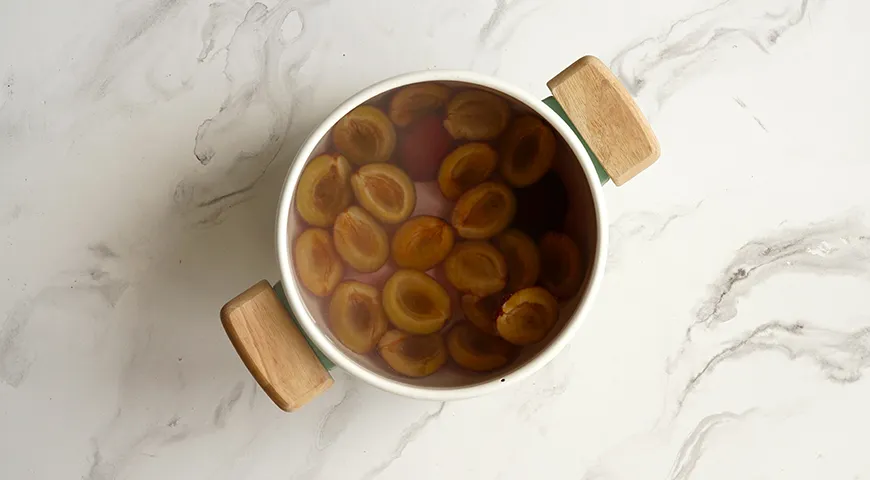
Wash the pears and plums under cool running water and pat dry with paper towels. Cut the pears in half, remove the cores, and slice the flesh into thick wedges. Halve the plums and remove the pits. Use a sharp knife or a food processor for even cuts—a planetary mixer with slicing attachment can streamline large batches.
Step 3: Blanch the Plums
In a large pot, bring the 3 L of water to a rolling boil. Place the plums in a colander or large metal sieve and submerge them in the boiling water for exactly 3 minutes. Remove and drain, then transfer the plums directly into the sterilized jar. This short blanch softens the skins for better syrup absorption.
Step 4: Blanch the Pears
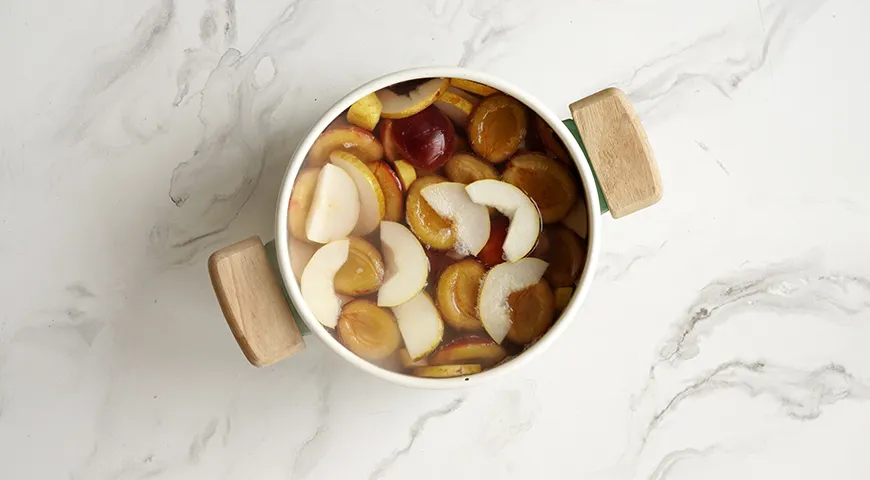
Add the pear wedges to the same pot of water (still hot from the plums). Bring back to a boil and cook for 3 minutes. Strain the water through a fine-mesh sieve into a clean pot, reserving the liquid. Transfer the pears into the jar with the plums. The strained water will become the base of your syrup.
Step 5: Prepare Syrup and Fill
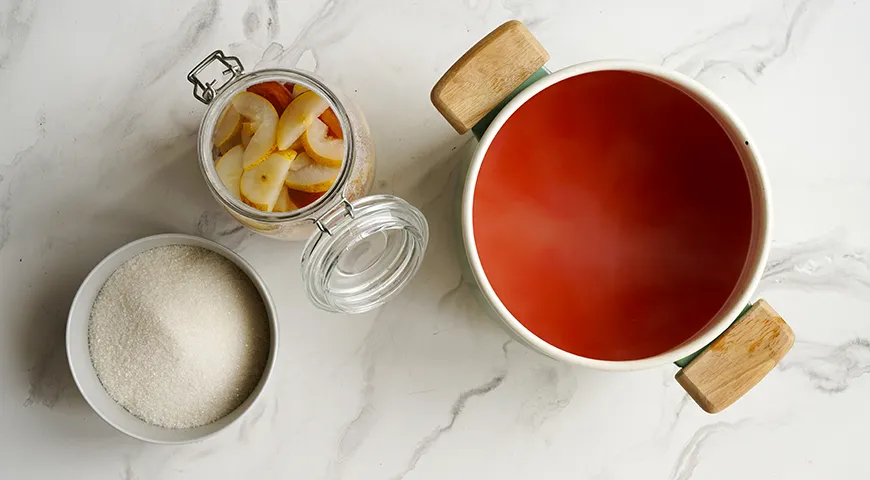
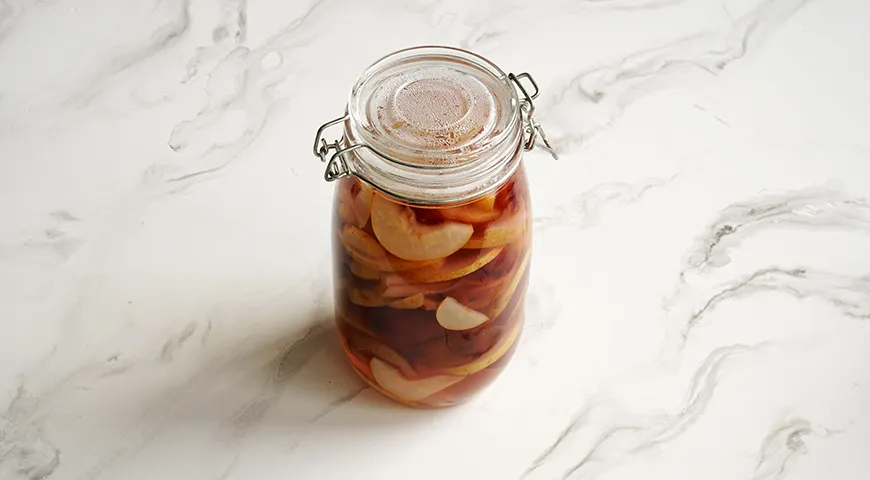
To the strained fruit water, add the sugar. Bring to a boil and simmer for 5 minutes, stirring to dissolve completely. Remove from heat, stir in the citric acid until fully dissolved. Carefully pour the hot syrup over the fruits in the jar, leaving about 1 cm headspace. Seal immediately with the sterilized lid. Invert the jar for a few seconds to ensure a proper seal, then let cool completely upside down. For precise syrup measurements, a microwave pressure cooker can heat the syrup quickly if scaling the recipe.
Tips for Perfect Compote
- Store the sealed compote in a dry, dark place. If properly sterilized, it will keep well at room temperature for up to a year. For long-term storage, a 48-inch built-in refrigerator with consistent humidity is ideal once opened.
- Use a refrigerator leak detector to ensure your storage area remains at safe temperatures.
- If you prefer a clearer syrup, strain the fruit cooking water through cheesecloth before adding sugar.
- For a more intense plum flavor, add a vanilla bean or a cinnamon stick to the syrup while simmering.
Variations
This base recipe welcomes creativity. Replace half the pears with ripe apples for a classic orchard blend. Infuse the syrup with a few slices of fresh ginger for a spicy kick. For a low-sugar version, use a sugar substitute that withstands heat, such as allulose. If you enjoy making compotes regularly, an undercounter ice maker machine provides abundant ice for rapid chilling of syrup batches. For a touch of indulgence, serve the compote over vanilla ice cream or use it as a base for a sparkling mocktail—pair with a splash of organic vodka for an adult treat.
Frequently Asked Questions
Can I use a different type of sugar?
Yes, you can substitute granulated sugar with honey, maple syrup, or coconut sugar, but note that the flavor and clarity of the syrup will change. Honey may cloud the syrup; adjust the amount to taste. For precise measurement, a digital kitchen scale is recommended.
How long does homemade compote last?
When sealed and stored in a cool, dark place, compote remains safe for up to 12 months. Once opened, refrigerate and consume within 1 week. For a longer shelf life, process the jars in a water bath or steam canner for 10 minutes after sealing.
Can I use frozen fruit?
Frozen pears and plums work well if thawed and patted dry before blanching. Reduce blanching time by 1 minute to prevent mushiness. The texture may be slightly softer than fresh fruit, but the flavor remains excellent.
Why add citric acid?
Citric acid lowers the pH of the syrup, inhibiting bacterial growth and preserving the bright color of the fruits. It also enhances the natural tartness of the plums. If you don’t have citric acid, use an equal amount of lemon juice.
What’s the best way to sterilize jars without special equipment?
You can place clean jars in a 130°C oven for 20 minutes, or boil them fully submerged for 10 minutes. Always dry them upside down on a clean towel. For a smoother experience, a steam canner is a wise investment for home preservers.
For more inspiration, explore our recipes like Catalan Sponge Cake or reviews on the best castor oil for non-culinary uses. This pear and plum compote is a simple yet elegant preserve that will become a staple in your pantry. Enjoy the taste of summer with every pour.







