


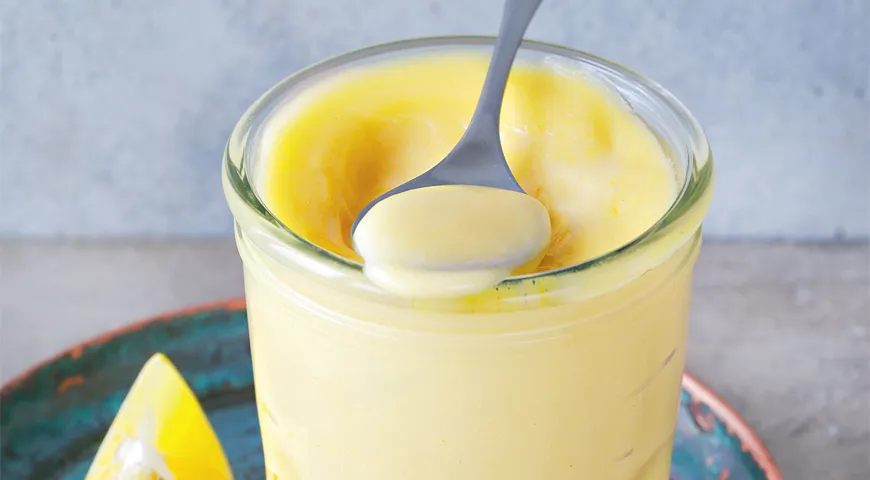
In just 15 minutes, you can create a luxurious homemade mayonnaise infused with the sharp elegance of Dijon mustard. This recipe transforms humble egg yolks and oil into a silky, tangy emulsion that elevates any sandwich or salad. The key is using the freshest eggs from a trusted supplier and a reliable mixing tool such as an immersion blender. For a hands-off approach, a food processor works beautifully, and for larger batches a planetary mixer ensures a perfect emulsion. Once made, transfer to a glass jar with an airtight lid and refrigerate for up to a week.
About This Recipe
Dijon mustard mayonnaise, or sauce bâtarde, is a classic French condiment that combines the creamy richness of homemade mayo with the peppery heat of Dijon. It’s incredibly versatile—perfect for pairing with grilled meats, fresh vegetables, or a simple baguette. Because this recipe uses raw egg yolks, it’s essential to source your eggs from a reliable farm or market. The addition of white wine vinegar and fresh lemon juice brightens the flavor, while the mustard acts as both a seasoning and an emulsifier. For a lighter version, use a oil sprayer to drizzle the oil in a fine stream, though here we simply add it slowly. This condiment also stars in countless variations: stir in crushed garlic for an aioli, blend in fresh herbs, or even spike it with a splash of organic vodka for an extra kick. Serve alongside chocolate covered raisins for a sweet-savory contrast, or pair with a glass of sweet wine for an elegant appetizer. For crispy accompaniments, try using an air fryer to prepare croutons or roasted vegetables.

Ingredients
- 500 ml vegetable oil (e.g., sunflower or canola)
- 2 raw egg yolks, from the freshest eggs
- 1 tsp Dijon mustard
- 1–2 tbsp white wine vinegar
- Juice of ½ lemon
- Sea salt, to taste
Step-by-Step Instructions
Step 1: Place the egg yolks and Dijon mustard in a small saucepan (or mixing bowl). Using a mixer, beat them together until well combined. Slowly add half of the vegetable oil—about 250 ml—in a thin stream while continuously beating. Continue for about 5 minutes. The mixture should thicken into a glossy emulsion. For best results, use a immersion blender or a food processor.
Step 2: Add 1 tablespoon of white wine vinegar and a pinch of sea salt. Continue beating while gradually adding the remaining oil in small portions. Keep the mixer running until all the oil is incorporated and the mayonnaise is thick and creamy. A planetary mixer makes this stage effortless.
Step 3: Season with additional sea salt to taste, then stir in the fresh lemon juice. If the consistency is too thick, add another tablespoon of vinegar or a few drops of cold water. Adjust seasoning as needed. Transfer the mayonnaise to a glass jar with a screw-top lid. Store in the refrigerator for up to one week. For maximum freshness, consider using a undercounter ice maker to chill it quickly.
Tips for Perfect Homemade Mayonnaise
- All ingredients should be at room temperature to ensure a stable emulsion.
- Add the oil slowly—drizzle it in a thin stream while mixing vigorously.
- If the mayonnaise curdles, rescue it by whisking a fresh yolk in a separate bowl and slowly adding the broken mixture.
- Use a neutral‑tasting oil like sunflower or grapeseed; olive oil can be overpowering.
- For a lighter texture, swap in a oil sprayer to fine‑mist the oil.
Variations
- Garlic Aioli: Add 2 crushed garlic cloves with the yolks and mustard.
- Herb Mayonnaise: Fold in fresh chopped dill, parsley, or tarragon after emulsifying.
- Spicy Mayo: Stir in a pinch of cayenne or chipotle powder.
- Lemon‑Pepper: Increase lemon juice and add fresh cracked black pepper.
- Vodka Mayo: Replace vinegar with a splash of organic vodka for a unique depth.
- Sweet & Savory: Serve with chocolate covered raisins for a surprising pairing.
Frequently Asked Questions
Can I use pasteurized eggs?
Yes, pasteurized eggs are a safe alternative if you’re concerned about raw yolks. They work just as well in this recipe. Store them in a large refrigerator to maintain freshness.
Why did my mayonnaise separate?
Separation happens when the oil is added too quickly or the ingredients are cold. To fix it, start a new yolk in a clean bowl and slowly whisk the broken mixture into it. Using a microwave pressure cooker to gently warm the ingredients beforehand can prevent this.
How long does homemade mayonnaise last?
Stored in a sealed glass jar in the refrigerator, it stays fresh for up to one week. Discard if it develops an off smell or mold. For longer storage, consider a steam canner (though note that traditional canning of mayonnaise is not recommended due to safety concerns).
Can I make this recipe without a mixer?
Absolutely! Whisk by hand with a wire whisk—it will take a bit more elbow grease, but the result is equally delicious. Alternatively, use a wall oven microwave combo to heat the bowl slightly, which helps emulsification.
What can I serve with this mayonnaise?
It’s fantastic on sandwiches, in potato salad, or as a dip for fried foods. For a quick snack, spread it on crusty bread and top with fresh vegetables or cold cuts. Pair with a crisp sweet white wine and enjoy a lazy afternoon. This mayo also makes a great addition to a picnic, especially when packed in a coffee maker for Airbnb? Actually, no—just use a cooler.
Homemade Dijon mustard mayonnaise is a testament to how simple ingredients can yield extraordinary results. With just a few minutes of effort and the right equipment—an immersion blender, food processor, or even a hand whisk—you can create a condiment that outshines any store‑bought version. Experiment with the variations, store it properly in a glass jar, and enjoy the bright, tangy flavor that only fresh mayonnaise can deliver. For more kitchen inspiration, check out our guides on non‑toxic immersion blenders and food processors to upgrade your cooking game.







