


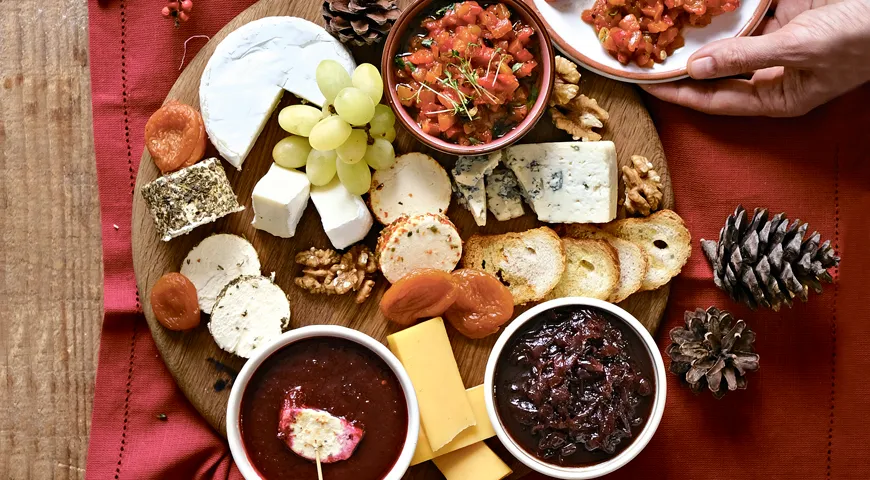
There is something profoundly satisfying about transforming a humble bell pepper into a silky, smoky, and utterly elegant dip. This recipe for balsamic roasted pepper dip, drawn from the Russian culinary tradition, is a testament to the magic of slow roasting and careful seasoning. The deep, caramelized sweetness of the peppers is perfectly offset by the tangy complexity of aged balsamic vinegar, while a whisper of dried basil and a generous crack of black pepper add layers of aromatic intrigue. This is not merely a condiment; it is a sophisticated spread that elevates everything from crusty artisan bread to grilled vegetables and even roasted meats. Whether you are planning a refined appetizer for a dinner party or a simple, wholesome snack for a quiet evening, this dip delivers on texture, flavor, and visual appeal. The technique is straightforward, but the result is nothing short of restaurant-quality. Let us walk through the process step by step, with expert tips and creative variations to make this recipe your own.
About This Roasted Pepper Dip
This dip belongs to the family of rustic Mediterranean-style spreads, but with a distinct Eastern European touch. In Russia, roasted peppers are often preserved in oil and vinegar for winter, a technique that highlights the natural sweetness of the fruit. The addition of balsamic vinegar, while not traditional, brings a modern, sophisticated twist. The beauty of this recipe lies in its simplicity: only six ingredients, yet the final flavor is remarkably complex. It is naturally vegan, gluten-free, and Whole30-friendly, making it a versatile addition to any diet. The roasting process intensifies the peppers'' sugars and develops a subtle smokiness that no raw pepper can match. To achieve the best results, we recommend using a high-quality, thick balsamic vinegar—ideally aged for at least three years. For those who enjoy creating restaurant-quality dishes at home, having a reliable food processor can streamline the final blending, though a sharp knife and a sturdy cutting board work beautifully.

Ingredients
- 3 large sweet red bell peppers
- 4 tablespoons (60 ml) extra-virgin olive oil, divided
- 3 tablespoons (45 ml) balsamic vinegar
- 1 teaspoon dried basil (or 1 tablespoon fresh basil, finely chopped)
- Fine sea salt, to taste
- Freshly ground black pepper, to taste
Select peppers that are firm, glossy, and heavy for their size. The quality of the olive oil matters here—use a fruity, peppery extra-virgin oil for the best mouthfeel. If you are new to roasting peppers, consider using a high-quality baking sheet to ensure even heat distribution.
Step-by-Step Instructions
Roast the Peppers
Preheat your oven to 200°C (400°F). Line a baking sheet with parchment paper or a silicone baking mat. Cut each pepper in half lengthwise, through the stem. Remove the stem, seeds, and white membranes. Lay the halves cut-side down on the prepared baking sheet. Brush the skins lightly with 1 tablespoon of the olive oil. Roast for 20 minutes, until the skins are blistered and charred in spots. Remove from the oven, cover the baking sheet tightly with aluminum foil, and let the peppers steam for 10 minutes. This step is crucial: the steam loosens the skins, making them easy to peel.
Peel and Chop the Peppers
After steaming, uncover the peppers. Using your fingers or a small paring knife, gently peel away the thin skins. They should come off in large strips. Discard the skins. Transfer the peeled pepper flesh to a cutting board and chop finely. You can also pulse them in a food processor for a smoother dip, but chopping by hand gives a pleasant texture. Place the chopped peppers in a medium mixing bowl.
Finish the Dip
Add the remaining 3 tablespoons of olive oil, the balsamic vinegar, and dried basil to the bowl. Season with salt and a generous amount of freshly ground black pepper—about ½ teaspoon or to taste. Stir thoroughly until all ingredients are well combined. Taste and adjust seasoning. For a thinner consistency, add an extra drizzle of olive oil. For a brighter acidity, add a few drops more balsamic vinegar. Let the dip rest at room temperature for at least 15 minutes to allow the flavors to meld. Serve at room temperature or slightly chilled.
Tips for Perfect Results
Roasting peppers at home is simple, but a few details make all the difference. First, always arrange the peppers cut-side down—this concentrates the heat and encourages even blistering. Second, do not skip the steaming step; it prevents the skin from sticking stubbornly to the flesh. Third, if you prefer a smoky flavor, you can char the peppers directly over a gas flame or on a grill before peeling. For a creamier dip, blend the roasted peppers with a tablespoon of almond butter or a soaked cashew. To store, keep the dip in an airtight container in the refrigerator for up to five days; the flavors will deepen over time. If you are making a larger batch, a high-quality food processor saves time and ensures a uniform texture.
Variations
This base recipe is endlessly adaptable. For a spicy kick, add a small dried chili or a pinch of red pepper flakes along with the basil. Swap dried basil for fresh rosemary or thyme for a more herbal profile. If you enjoy a hint of garlic, roast a few cloves alongside the peppers and mash them into the dip. For a richer, nutty undertone, stir in a tablespoon of toasted pine nuts or walnuts. To transform this into a pasta sauce, thin it with a bit of vegetable broth and toss with al dente spaghetti. For a vegan Caesar-style dressing, blend the dip with a tablespoon of nutritional yeast and lemon juice. The possibilities are only limited by your imagination.
FAQ
Can I use jarred roasted peppers instead?
Yes, in a pinch, drain and rinse jarred roasted peppers well. However, fresh-roasted peppers have a superior texture and deeper flavor. If you use jarred, reduce the salt and consider adding a pinch of smoked paprika to compensate for the lost smokiness.
How do I make this dip oil-free?
Replace the olive oil with a splash of vegetable broth or water. The texture will be slightly thinner, but the flavor remains vibrant. You may need to add an extra teaspoon of balsamic vinegar for acidity.
Can I freeze this dip?
Yes, freeze in an airtight container for up to three months. Thaw overnight in the refrigerator and stir well before serving. The texture may separate slightly; a quick whisk or blitz in a food processor restores it.
What dishes pair well with this dip?
Serve with crusty sourdough, pita chips, raw vegetable sticks, or grilled flatbread. It also makes a fantastic spread for sandwiches, wraps, or burgers. Drizzle over roasted vegetables, grilled chicken, or fish as a finishing sauce.
How can I intensify the balsamic flavor?
Use a high-quality aged balsamic vinegar (with a DOP designation) and reduce it by simmering gently until syrupy before adding to the dip. Alternatively, add a teaspoon of balsamic glaze for sweetness and viscosity.
Why did my roasted pepper dip turn out bitter?
Bitterness usually comes from over-charred skins or from including the white pith. Ensure you peel all burnt spots and remove all membranes before chopping. Using sweeter, fully ripe red peppers also helps. A pinch of sugar can balance mild bitterness.







