


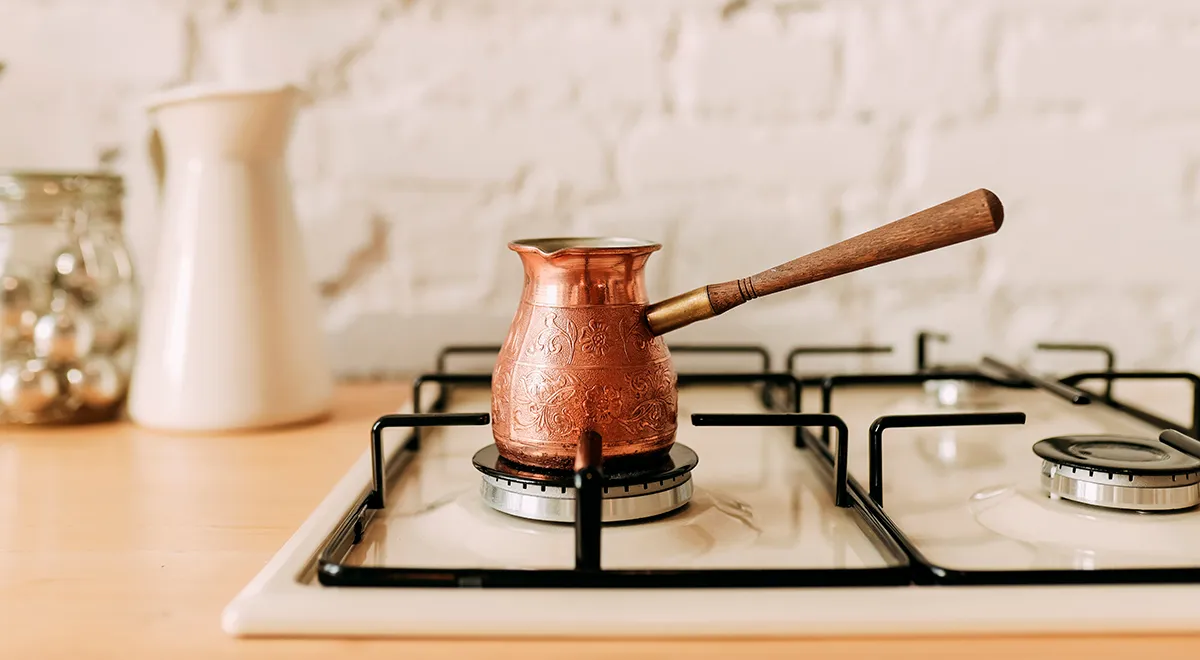
There is a quiet magic to brewing coffee in a traditional cezve (Turkish coffee pot) over a gas flame. This ancient method transforms simple ingredients—water, freshly ground Arabica beans, and a pinch of sugar—into a thick, aromatic elixir crowned with a velvety foam. Unlike automatic coffee makers, this stovetop ritual demands your full attention, rewarding patience with a cup that awakens the senses. Whether you are a seasoned coffee connoisseur or a curious novice, mastering this recipe elevates your morning ritual and connects you to centuries of coffee culture.
About Turkish Coffee
Turkish coffee is more than a beverage; it is a ceremony rooted in hospitality and mindfulness. The key lies in the grind—microscopically fine, almost powdery—and the slow, incremental heating that coaxes out deep flavors without burning. Unlike filtered coffee, the grounds remain in the cup, settling at the bottom as the drink is sipped. The foam (known as kaymak) is the hallmark of perfection. For those who appreciate precision, having the right equipment is essential. Consider investing in a quality espresso machine under $2000 for other brewing methods, but for this recipe, only a cezve and a gas flame will do.

Ingredients
- Water – 200 ml (use filtered or spring water for best results)
- Coffee beans (Arabica) – 20 g (grind just before brewing to a fine powder)
- Granulated sugar – 5 g (a pinch is standard; adjust to taste)
Selecting high-quality beans is paramount. For an exceptional cup, source beans like those best George Howell coffee beans, known for their bright acidity and nuanced flavors. The water quality also matters—use a non-toxic immersion blender (yes, for other kitchen tasks) or a simple filter to ensure pure taste.
Step-by-Step
Step 1: Grind the Beans
Grind 20 g of Arabica beans in a coffee grinder using short pulses until you achieve an ultra-fine, flour-like consistency. Do this immediately before brewing to preserve essential oils and aromatics. For larger batches, a food processor for nut butter may work, but a dedicated coffee grinder is ideal.
Step 2: Heat the Cezve
Place the cezve on the smallest burner and turn the gas to low. Add the ground coffee and sugar. Warm them gently until a faint wisp of smoke rises and a nutty aroma fills the air—about 30–45 seconds. This toasts the grounds slightly, deepening flavor.
Step 3: Add Water and Stir
Pour in 200 ml of cold filtered water. Stir gently with a long-handled spoon to integrate. Do not scrape the bottom. Place the cezve back on the lowest flame. Do not leave the stove! Watch as the liquid heats and a thick foam begins to form. When the foam rises to the rim, immediately remove the cezve from heat. Let the foam subside.
Step 4: Repeat the Foam Rise
Return the cezve to the flame. When the foam rises a second time, remove again. Repeat this once more—three rises in total. This process, known as taşma, builds a rich, creamy top. After the final rise, let the coffee rest for 30 seconds so the grounds settle.
Step 5: Pour and Serve
Gently pour the coffee into small cups, distributing the foam evenly. Serve immediately. Pair with a sweet bite like best chocolate-covered raisins for a perfect contrast.
Tips for the Perfect Brew
- Use cold water – Always start with cold, filtered water to allow even extraction.
- Don't rush – Low heat is essential; high heat will scorch the coffee. A gas stove gives you precise control.
- Skim the foam – Some aficionados spoon a bit of foam into each cup before pouring the liquid to ensure every sip has foam.
- Keep your equipment clean – Residue can alter taste. Rinse the cezve with water only—no soap. For other kitchen tools, a non-toxic immersion blender is easy to clean and versatile.
- Experiment with sugar – The traditional ratio is 1 teaspoon per cup, but you can adjust. For a richer experience, try a hint of cardamom.
Variations
Once you master the classic version, explore these twists:
- Spiced Turkish Coffee – Add a crushed cardamom pod or a pinch of cinnamon to the grounds before heating.
- Milk Turkish Coffee – Substitute half the water with milk (though purists may object).
- Iced Turkish Coffee – Brew as usual, then pour over ice. Add a splash of best organic vodka for an adult after-dinner cooler.
- Coffee Cocktail – Combine cooled Turkish coffee with a sweet wine like those from best sweet wine with high alcohol content for an unexpected pairing.
FAQ
What is the best grind size for Turkish coffee?
It must be extremely fine—almost like powdered sugar. Coarser grains will not create proper foam and will make the coffee bitter. Use a dedicated burr grinder or a high-speed blade grinder with short pulses.
Can I use a different type of coffee bean?
Yes, but Arabica is traditional for its smoothness and aromatic complexity. Robusta can be used for extra crema, but it may be more bitter. For exceptional flavor, try best George Howell coffee beans.
Why does my coffee have no foam?
Possible reasons: grind too coarse, heat too high, or not enough sugar (sugar stabilizes foam). Also, fresh beans are essential. Stale beans lose their oils. Ensure your cezve is clean and you follow the triple-rise technique.
Can I brew Turkish coffee on an induction stove?
Traditional copper cezves do not work on induction unless they have a magnetic base. Look for stainless steel or cast iron cezves with ferrous bottoms. Alternatively, use a gas burner adapter.
How do I store leftover coffee?
Turkish coffee is best enjoyed fresh. If you must store, refrigerate in an airtight container for up to 24 hours. Reheat gently in a saucepan, but the foam will not revive. For a quick solution, a coffee maker for Airbnb might be more practical for guests.
Can I make Turkish coffee without sugar?
Yes, but the foam may be less stable. The sugar helps create the characteristic thick foam by increasing viscosity. If omitting sugar, try a tiny pinch of salt to enhance flavor.
Final Thoughts
Brewing coffee in a cezve on a gas stove is a meditative practice that connects you to a rich heritage. With just a few high-quality ingredients and a patient hand, you can produce a cup that rivals the finest coffee houses. Enhance your kitchen with tools like a best air fryer non-toxic for making quick snacks or a planetary mixer for baking coffee cakes to accompany your brew. For larger gatherings, consider a 48-inch built-in refrigerator to store plenty of fresh beans. And if you venture into cold coffee, an undercounter ice maker ensures cubes are always ready. Embrace the ritual—your morning deserves it.







