


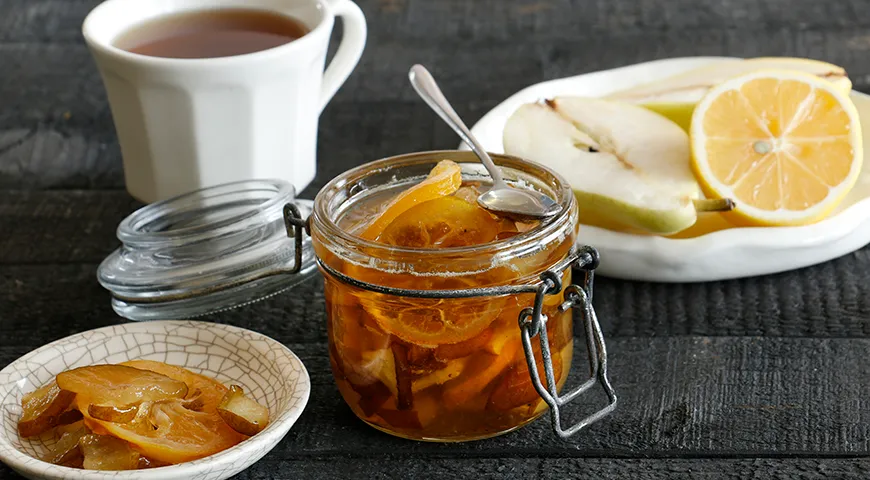
Pear and lemon jam is a classic autumn preserve, but thanks to year-round availability of firm, sweet pears and bright lemons, you can capture its golden, translucent magic any season. This recipe transforms humble fruit into a luxurious spread—perfect for slathering on toast, swirling into yogurt, or spooning alongside a cheese board. With just four ingredients and a slow, patient simmer, you'll create a jar of winter sunshine that tastes like orchard and citrus in perfect harmony.
About Pear and Lemon Jam
Pear jam alone can be cloyingly sweet; lemon adds the essential acidity that cuts through the sugar and lifts the fruit's delicate perfume. This Russian-inspired preserve is traditionally cooked in large batches during the autumn harvest, but modern cooks can enjoy it year-round using imported pears. The long, gentle cooking time concentrates flavors and develops a soft, syrup-like consistency. For the best results, choose pears that are ripe but still firm—overly soft fruit will break down too quickly and yield a mushy texture. A heavy-bottomed pot ensures even heating, and using a non-toxic immersion blender (though not required) can help achieve a smoother consistency if desired. The natural pectin in both pears and lemon seeds helps the jam set without added thickeners.

Ingredients
- 1 kg ripe but firm pears (about 6 medium)
- 500 g granulated sugar
- 1 large lemon
- 250 ml water
For the best preservation, choose jars that are well-sealed, such as those recommended in guides on best glass jars for canning. A steam canner is ideal for processing the filled jars, though a large pot of boiling water works as well.
Step-by-Step Instructions
Prepare your workspace: sterilize jars and lids, and have a clean ladle and funnel ready. This recipe yields about 4-5 half-liter jars.
Step 1: Prepare the Lemon and Pears
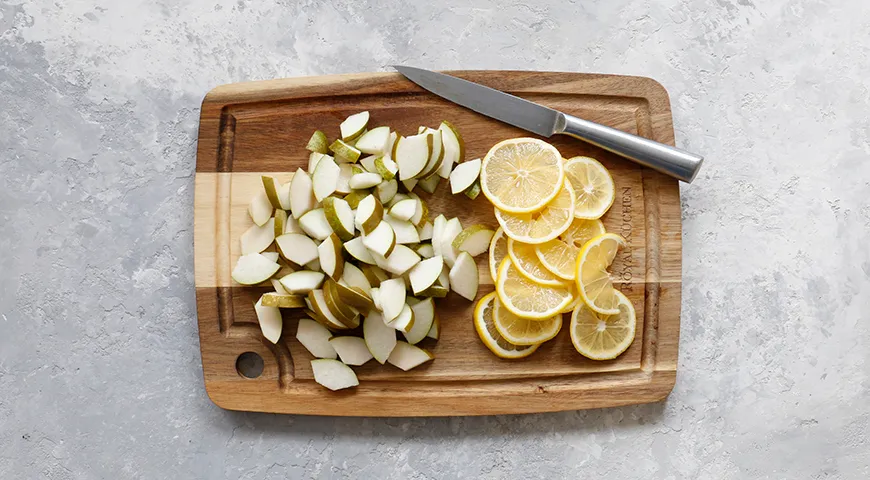
Wash the lemon thoroughly and slice it into thin rounds, removing any seeds. Wash the pears, cut them into quarters, remove the cores and stems, then slice the flesh into uniform wedges about 1 cm thick. Uniform cuts ensure even cooking. A food processor with a slicing disc can speed up this task if you have one.
Step 2: Make the Lemon Syrup
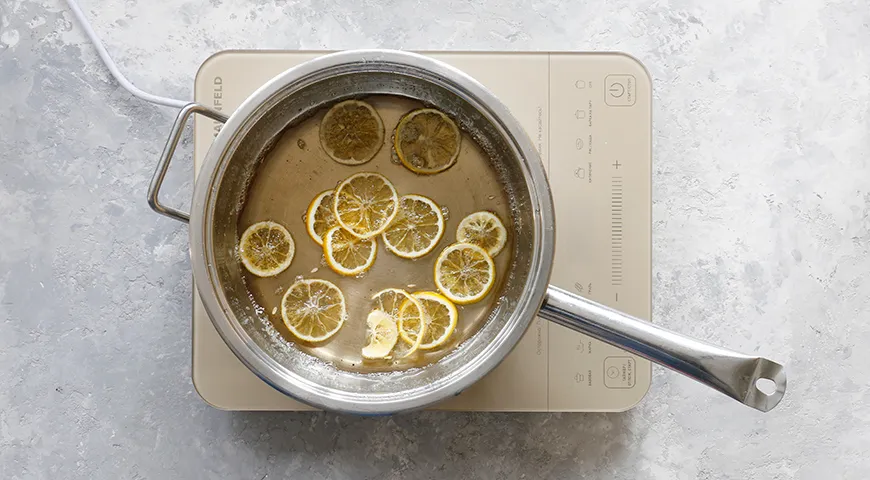
Place the lemon slices in a heavy-bottomed saucepan. Add the sugar and pour in the water. Set the pan over medium-low heat and bring to a gentle boil, stirring occasionally with a wooden spoon. Once boiling, let it simmer for 3 minutes, stirring constantly to dissolve the sugar completely. The syrup will be fragrant and slightly thickened. For even heat distribution, a wall oven microwave combo isn't needed here—a standard stovetop works perfectly.
Step 3: Macerate the Pears
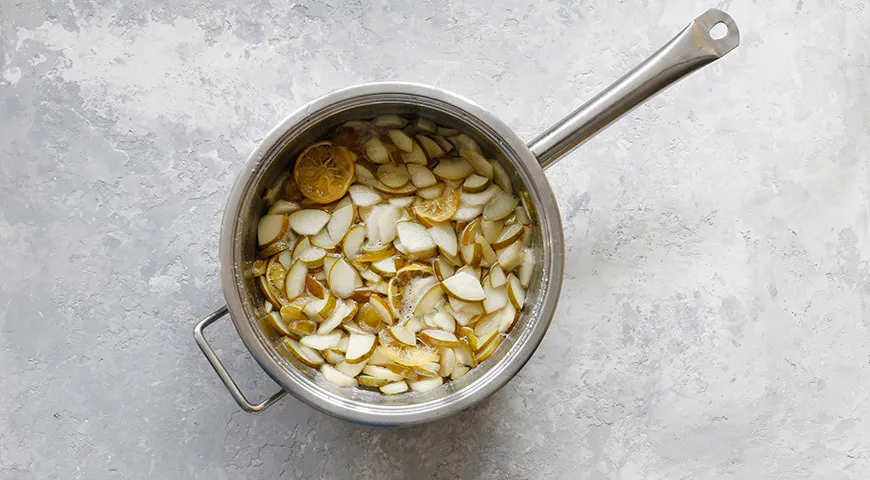
Add the pear slices to the hot syrup, stirring gently to coat each piece. Remove the pan from the heat and let the mixture stand for 1.5 to 2 hours. This resting period allows the pears to soften slightly and absorb the lemony sweetness, which contributes to the final jam's intense flavor.
Step 4: Slow Cook the Jam
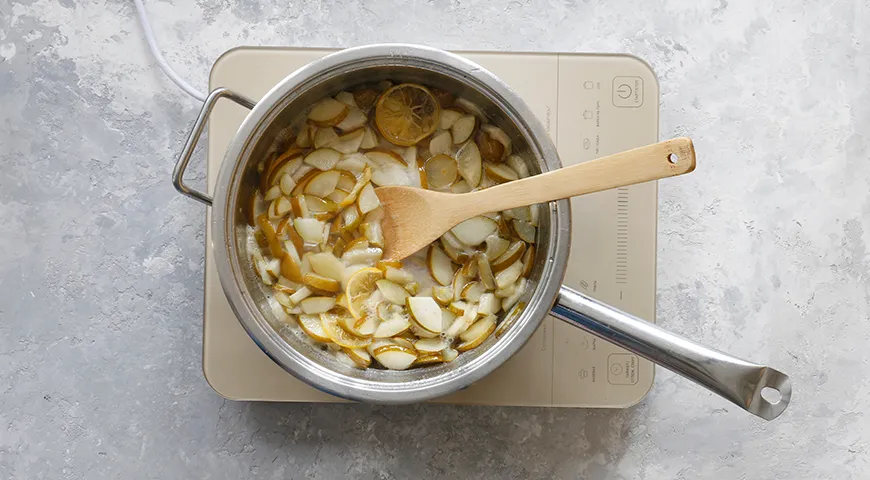
Return the pan to the stove over medium heat. Bring the mixture to a boil, then reduce the heat to the lowest possible setting. Cook for 2.5 to 3 hours, stirring every 10–15 minutes to prevent sticking. Skim off any foam that rises to the surface with a clean spoon. The jam is ready when the pears are translucent and the syrup has thickened to a glossy, honey-like consistency. A microwave pressure cooker can be used for a faster version, but traditional stovetop simmering gives the best texture.
Step 5: Jar the Preserve
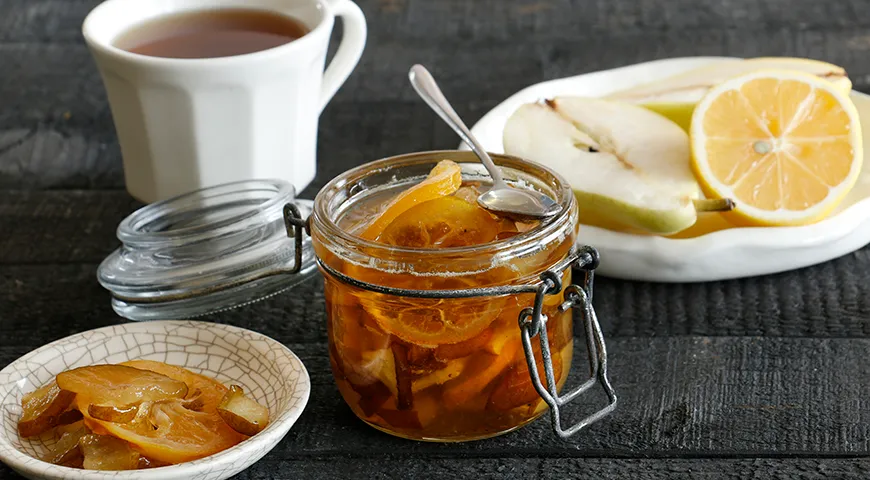
While the jam is still hot, carefully transfer it into sterilized, warm jars using a ladle and funnel. Leave about 1 cm headspace. Wipe the rims clean, affix the lids, and seal tightly. Process the jars in a steam canner for 10 minutes (or according to your altitude) or invert them briefly if not processing. Store in a cool, dark place. The jam will set as it cools.
Tips for Perfect Jam
- Choose the right pears: Varieties like Bosc, Conference, or Anjou hold their shape well. Avoid very soft types such as Bartlett unless you prefer a smoother jam.
- Use a heavy pot: A wide, heavy-bottomed pot prevents scorching. If you have a planetary mixer with a heating bowl attachment, you can use it for slow stirring.
- Skim foam: Foam can cause cloudiness and spoilage. Remove it diligently. A slotted spoon or oil sprayer (for greasing lids) is handy, but a simple skimmer works.
- Test the set: Chill a plate in the freezer. Spoon a drop of jam onto it; if it wrinkles when pushed, it's ready.
- Cool jars slowly: Let jars cool undisturbed for 12 hours. Check seals by pressing the center of each lid. For long-term storage, a 48-inch built-in refrigerator is excellent, but a pantry also works.
Variations
Extend the flavor profile with these creative twists:
- Spiced Pear Jam: Add a cinnamon stick, two star anise, or a vanilla bean during the slow cook. Remove before jarring. For a hint of heat, consider lava flavors like chili flakes in moderation.
- Pear and Ginger Jam: Grate 2–3 cm of fresh ginger into the syrup for a warming kick.
- Wine-Infused Jam: Replace half the water with a dry white wine or a sweet wine with high alcohol content for complexity.
- Herb-Infused: Add a sprig of rosemary or thyme during cooking; remove before jarring. Serve alongside a best espresso machine brew for an elegant breakfast.
- Quick Microwave Version: For a small batch, combine prepared fruit and syrup in a microwave-safe bowl and cook using a microwave pressure cooker for 10 minutes, stirring every 2 minutes.
Frequently Asked Questions
What is the best way to sterilize jars?
Wash jars and lids in hot soapy water, then place them in a steam canner for 10 minutes, or in a 120°C oven for 15 minutes. Alternatively, boil them in a large pot of water for 10 minutes.
Can I use a food processor to slice the pears?
Yes, a food processor with a slicing disc makes quick work of uniform slices, saving time. However, hand-slicing allows you to control thickness.
How do I know when the jam is done?
Use the wrinkle test: place a small spoonful of jam on a chilled plate and tilt it. If the surface wrinkles and the jam doesn't run, it's set. A digital thermometer should read 104–105°C.
Can I make this jam with less sugar?
Sugar is crucial for preservation and texture. Reducing it may result in a runnier jam with shorter shelf life. For a low-sugar alternative, use a special pectin designed for reduced sugar recipes. Store in the refrigerator and consume within two months.
Why did my jam crystallize?
Undissolved sugar crystals or over-stirring can cause crystallization. Always dissolve the sugar fully at the start and avoid stirring once the jam is boiling. Adding a squeeze of lemon juice helps inhibit crystals.
How should I store the jam after opening?
Keep opened jars in the refrigerator, covered tightly. Use within 3–4 weeks. If you have a undercounter ice maker machine, enjoy the jam with chilled drinks for a refreshing pairing.
Can I substitute lime or orange for lemon?
Absolutely. Lime gives a more tart profile, while orange adds sweetness. Adjust sugar as needed—oranges require less sugar. For a twist, try lava flavors like a pinch of chipotle for smoky heat.
Pear and lemon jam is more than a preserve—it's a taste of autumn preserved in a jar. Whether you spread it on freshly baked bread from a best coffee maker breakfast station or serve it as a condiment for cheese, this sweet-tart gem will brighten any table. With careful preparation and a little patience, you'll have a pantry full of golden sunshine ready for winter.







