


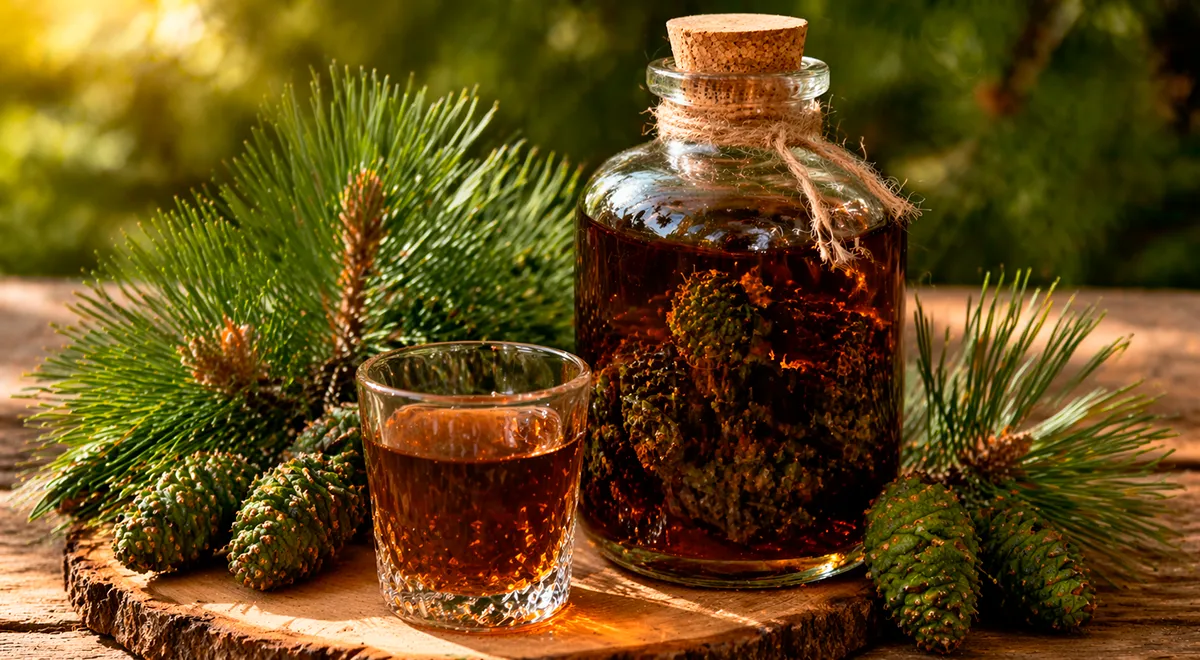
In the quiet corners of Eastern European folk medicine, few remedies are as revered as pine cone vodka tincture. Crafted from young, green cones macerated in high-proof spirit, this amber elixir is said to improve circulation, cleanse cerebral vessels, boost immunity, and even aid recovery after stroke or heart attack. While modern medicine urges caution, centuries of tradition speak volumes. This article guides you through the art of making your own tincture at home—a ritual that connects you to the forest and its healing gifts.
About the Recipe
Pine cone tincture (or nastojka iz sosnovyh shishek na vodke) is a classic Russian herbal liqueur. It uses unopened, resinous spring cones—harvested in ecologically clean areas—infused in vodka for three weeks. The result is a bittersweet, earthy potion that turns deep brown as it matures. Traditionally, it is taken in small doses (a teaspoon or so) for immune support or cardiovascular wellness. For those interested in the medicinal properties of natural ingredients, exploring best organic vodka for tincture making ensures a pure base.

Ingredients
- 500 ml vodka (choose a quality brand for best results)
- 400 g young, green pine cones (picked in spring, free from pesticides)
The quantity yields about 500 ml of finished tincture. For consistent infusion, use a glass jar with a tight lid, like those recommended in best glass containers for preservation.
Step-by-Step Instructions
- Prepare the cones: Rinse newly harvested green pine cones under cold running water to remove dust and obvious debris. Do not use hot water—it can wash away valuable resin. Pat dry on a clean towel.
- Trim and cut: Using kitchen scissors, snip off the stems of the cones. Then slice each cone lengthwise in half with a sharp knife. Larger cones can be quartered. The white interior will oxidize to brown almost immediately—this is normal and safe.
- Combine in a jar: Place the cut cones into a clean 1-liter glass jar. Pour the vodka over them, ensuring all cones are fully submerged. Screw the lid tightly.
- Infuse: Store the jar in a dark, cool place—a pantry or cupboard works perfectly. Shake the jar vigorously every day for three weeks. As the days pass, the liquid will develop a rich brown hue.
- Strain and bottle: After three weeks, strain the tincture through a fine-mesh sieve or cheesecloth into a clean bottle. Discard the solids. Your tincture is ready for consumption.
If you prefer a more refined texture, an immersion blender can be used to emulsify the cones before straining, though the traditional method retains clarity.
Tips for the Perfect Tincture
- Harvest sustainably: Collect only a few cones per tree, leaving plenty for regeneration. Early summer (June) in temperate climates is ideal.
- Alcohol strength: Use vodka with 40% ABV (80 proof). Avoid flavored or sweetened varieties. For a spirit connoisseur’s touch, consider best sweet wine with high alcohol content as an alternative base.
- Storage: Keep the final product in a dark bottle away from direct sunlight. It will stay potent for up to two years.
- Dosage: Start with one teaspoon daily, mixed in water or tea. Consult a healthcare professional before regular use, especially if you have medical conditions.
For those who enjoy making infusions at home, a food processor can quickly chop larger cones if you scale up production.
Variations
This recipe is highly adaptable. Add a cinnamon stick or a few cloves during infusion for a warming spice note. Alternatively, replace vodka with castor oil? No—that would not be a tincture. Stick to grain alcohol or moonshine for higher potency. Some recipes incorporate honey after straining to mellow the bitterness. For a non-alcoholic version, you can simmer cones in water and sugar to make a syrup, but the medicinal benefits are reduced.
If you’re experimenting with different fruits and herbs, a wheatgrass juicer can extract fresh plant juices for blending with your tincture base.
FAQ
1. Can I use dried pine cones instead of fresh?
No. Fresh, green cones are essential because they contain active resins and volatile oils that dissipate once the cones dry and open. Dried cones yield a weaker, less effective tincture.
2. How long should I infuse the tincture?
Three weeks is the standard minimum. Some traditionalists infuse for up to six weeks for a stronger extract. Shake daily to promote extraction. For consistent results, using a microwave pressure cooker is not recommended—slow maceration is key.
3. Is pine cone tincture safe for everyone?
Generally considered safe for adults in small doses, but it should be avoided by pregnant women, nursing mothers, children, and individuals with liver disease or alcohol sensitivity. Always consult a doctor before starting any herbal regimen.
4. What can I substitute for vodka?
High-proof grain alcohol (like Everclear) works and produces a more potent tincture. Alternatively, you can use best George Howell coffee? No—stick to clear spirits. Moonshine or unflavored brandy are also traditional.
5. How should I store the finished tincture?
In a dark glass bottle with a tight stopper, away from heat and light. A ice maker is not needed—room temperature is fine. Properly stored, it lasts up to two years without significant loss of potency.
6. Can I drink this like a liqueur?
Yes, it can be enjoyed as a digestive bitter in small sips, but its medicinal strength means moderation is key. Pair with dark chocolate or chocolate covered raisins for a delightful after-dinner treat.
7. Why does my tincture taste so bitter?
Bitterness is natural from pine tannins and resins. If it’s too harsh, add a tablespoon of honey or sugar after straining. Alternatively, blend with au jus? That would be odd—sweeteners are best. You can also dilute with water or tea before drinking.
Final Thoughts
Making pine cone vodka tincture at home is a rewarding blend of foraging, patience, and folk wisdom. While its touted health benefits require personal research and medical guidance, the process itself—handling the sticky, fragrant cones, watching the liquid deepen in color—is a meditation on nature’s pharmacy. Whether you seek immune support or simply a unique addition to your home bar, this recipe delivers. For kitchen enthusiasts, pairing the tincture with a Catalan sponge cake makes an elegant pairing.
Remember to always use non-toxic equipment for food preparation, and consider best oil sprayer for other kitchen uses. Most importantly, enjoy the journey of crafting your own herbal treasure.







