



There’s something almost magical about an upside-down cake—the moment you flip it onto a plate, revealing a glossy, caramelized crown of fruit, feels like unveiling a secret. This Mandarin Upside-Down Cake takes that classic French tarte Tatin concept and gives it a bright, winter-fresh twist. Instead of apples, we use whole mandarin halves, which caramelize beautifully and release their essential oils into the tender crumb. The result is a dessert that’s at once nostalgic and sophisticated, perfect for holiday tables or a cozy afternoon tea. Because words fall short when describing the aroma of citrus mingling with vanilla and golden sugar, we’ll let the recipe speak for itself.
About This Mandarin Upside-Down Cake
This cake belongs to the family of "upside-down" or "topside" cakes, where the fruit is arranged at the bottom of the pan and then covered with batter. After baking, the cake is inverted so the fruit becomes the star. The mandarin variety—with its thin skin, sweet-tart segments, and abundant juice—works particularly well. The gentle heat of the oven softens the fruit while concentrating its sugars, creating a sticky, amber glaze. The batter, enriched with kefir and a hint of vanilla, remains light and tender, balancing the citrus intensity. For home bakers, this recipe is a wonderful introduction to reliable kitchen tools like a good mixer or a high-quality cake pan.

Ingredients
- 2 large eggs
- 1 cup (250 ml) kefir (full‑fat or low‑fat)
- ¾ cup (150 g) granulated sugar, plus 2 tablespoons for the pan
- 1 cup (130 g) all‑purpose flour
- 7 medium mandarins (about 700 g total)
- 1 teaspoon baking soda
- A pinch of vanilla powder or vanilla extract
- A small pinch of salt
- 1 teaspoon vegetable or butter for greasing the pan
Using a proper oil sprayer ensures even coverage on the parchment. For the sugar topping, you can substitute with light brown sugar for a deeper caramel note.
Step‑by‑Step Instructions
1. Prepare the Batter
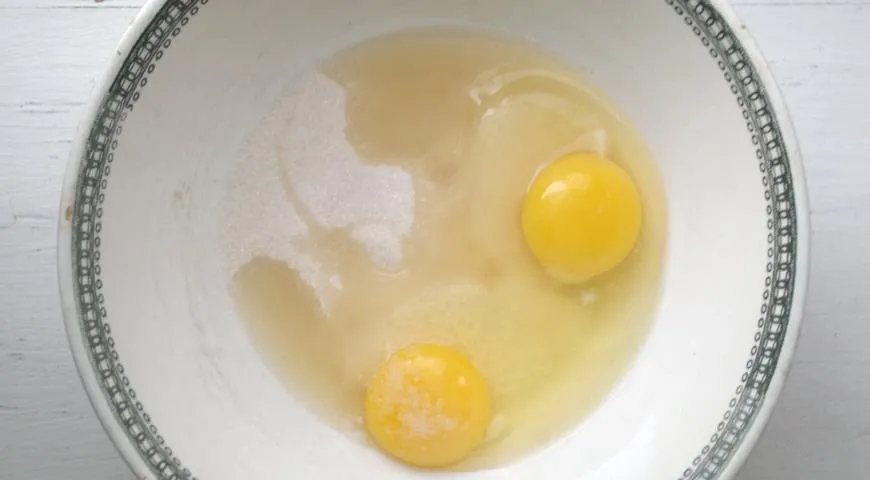
In a mixing bowl, beat the eggs with ¾ cup sugar, salt, and vanilla until the mixture is pale, thick, and doubled in volume. This takes about 3–4 minutes with an electric hand mixer or planetary mixer. The aeration is key: it gives the cake its light crumb.
2. Combine Dry and Wet Ingredients
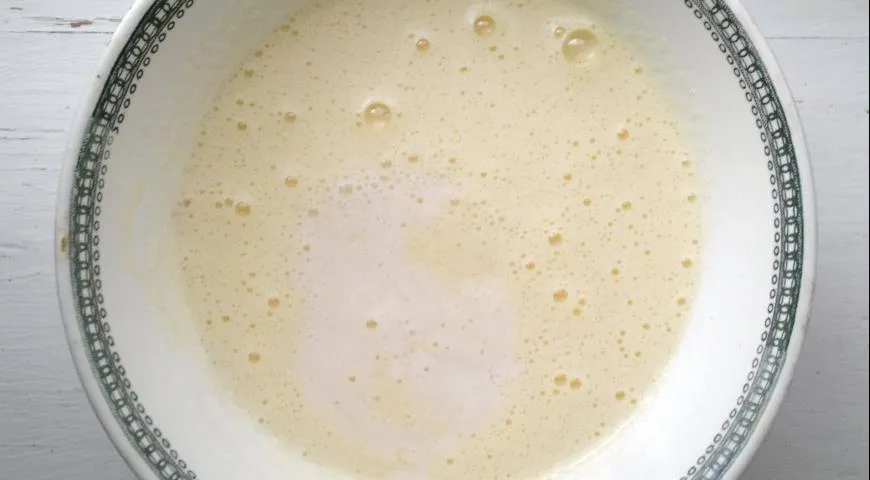
Pour the kefir into the egg mixture and whisk gently until combined. In a separate small bowl, sift together the flour and baking soda. Gradually fold the dry ingredients into the wet, using a whisk or spatula, until just incorporated—don’t overmix.
3. Prepare the Mandarins
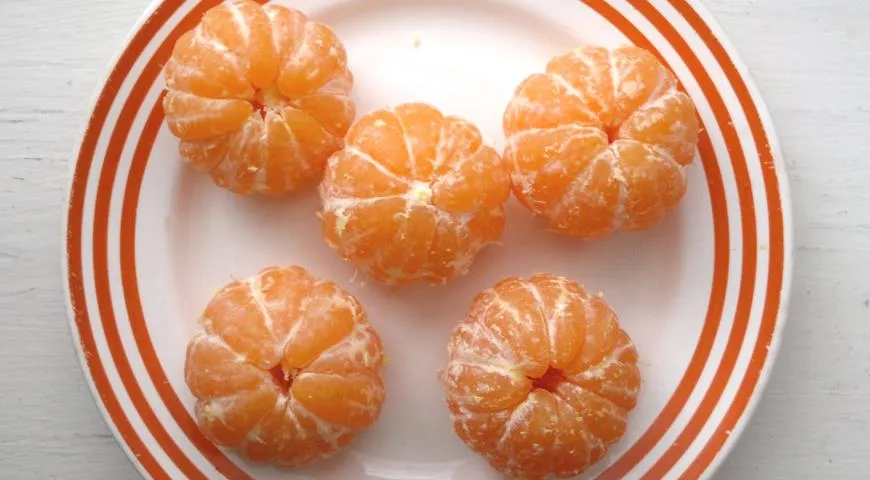
Wash the mandarins thoroughly. Dry them with a paper towel. Peel off the skin and remove as much white pith as possible—this step prevents bitterness. Importantly, do not separate the mandarins into individual segments. Using a sharp knife, cut each mandarin crosswise (horizontally) into two equal hemispheres. A sharp blade minimizes juice loss.
4. Line the Pan and Add Sugar
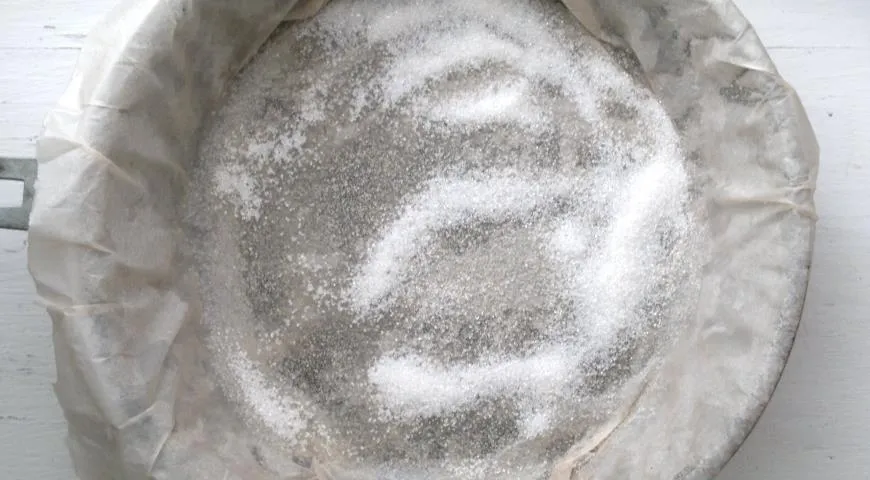
Choose a round cake pan about 24 cm in diameter. Line the bottom with a circle of parchment paper or use a high‑quality non‑stick pan. Lightly grease the parchment with vegetable or butter. Sprinkle 2 tablespoons of sugar evenly over the bottom—this will create the caramel layer.

5. Arrange the Mandarin Halves
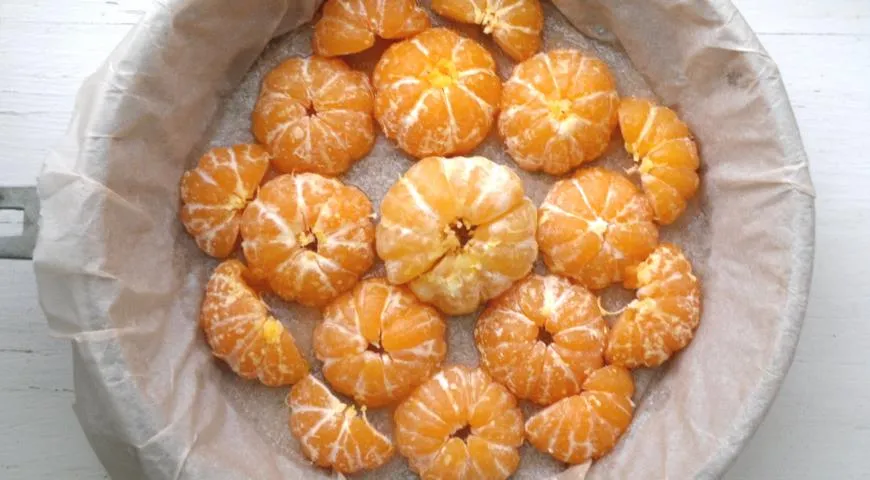
Place the mandarin halves cut‑side down in the pan, packing them as tightly as possible. You want to cover the entire bottom with minimal gaps—this ensures that every slice of cake gets a generous fruit topping.
6. Pour the Batter Over the Fruit
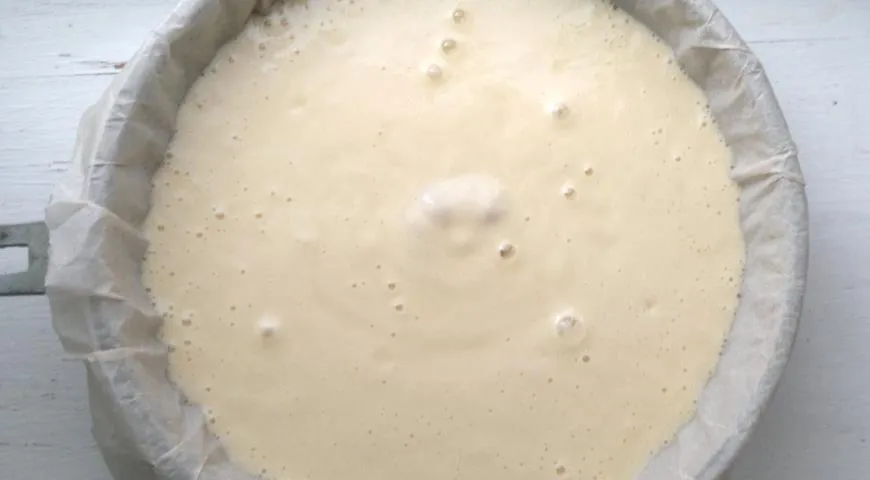
Gently pour the prepared batter over the mandarins, spreading it evenly with a spatula. The batter should cover the fruit completely.
7. Bake
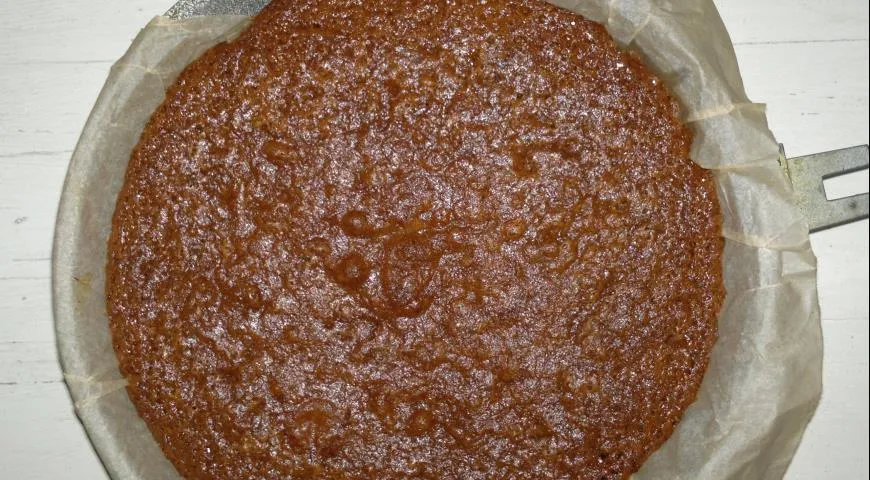
Preheat your oven to 180°C (350°F) with a rack in the middle. Bake the cake for 30–35 minutes, or until a wooden skewer inserted into the center comes out clean. If the top browns too quickly, tent with foil.
8. Cool and Flip
Let the cake cool in the pan for at least 15 minutes—this allows the caramel to set. Place a large serving plate upside‑down over the pan, then, holding both together, carefully invert the cake. Lift off the pan and peel away the parchment paper. If any mandarin pieces stick, simply reposition them.
9. Slice and Serve
Cut the cake into generous wedges—at least 8 portions. Smaller slices may cause the fruit to fall apart. For an elegant finish, dust with icing sugar mixed with a pinch of cinnamon, or serve with lightly whipped cream. This cake pairs beautifully with a cup of strong coffee or a single‑origin pour‑over.

Tips for the Perfect Mandarin Upside‑Down Cake
- Use ripe but firm mandarins—soft ones break down too much during baking.
- Don’t skip the sifting; it aerates the flour and prevents lumps in the sponge‑like batter.
- Let the cake cool completely before flipping; otherwise, the caramel will run.
- For a deeper caramel, replace the 2 tablespoons of sugar in the pan with brown sugar.
- A non‑toxic air fryer can also bake this cake if you have a round pan that fits—adjust time to 25 minutes at 170°C.
Variations
While mandarins are the star, you can experiment with other citrus fruits: blood oranges, clementines, or even a mix of Meyer lemons and oranges. For a boozy twist, brush the baked cake with a little organic vodka mixed with orange liqueur. If you prefer a nutty base, replace ¼ cup of flour with almond meal. For a dairy‑free version, swap kefir with plain coconut yogurt and use a plant‑based butter alternative. The recipe is remarkably forgiving—just ensure the fruit is well caramelized.
Frequently Asked Questions (FAQ)
Can I use canned mandarins instead of fresh?
Fresh mandarins yield superior texture and flavor. Canned ones are too soft and often packed in syrup, which can make the cake overly sweet and soggy. Stick with fresh for the best result.
Why did my cake stick to the pan?
This usually happens if the parchment wasn’t greased well or if the cake was inverted while still hot. Always let it cool for at least 15 minutes and use a quality refrigerator‑safe pan if you plan to chill it first.
Can I make this cake gluten‑free?
Yes. Substitute the all‑purpose flour with a gluten‑free blend that contains xanthan gum. Reduce the baking soda to ½ teaspoon, as gluten‑free flours often require less leavening.
How should I store leftovers?
Keep the cake covered at room temperature for up to 2 days, or refrigerate for up to 5 days. The mandarins will release moisture, so it’s best to reheat slices briefly in a microwave pressure cooker or a low oven to restore some crispness.
Can I use a different pan size?
Yes. A 22‑cm pan will give a taller cake; bake for 35–40 minutes. A 26‑cm pan will produce a thinner cake; check for doneness around 25 minutes. Adjust the number of mandarins accordingly—you want a single, tight layer of fruit.
Is it necessary to use kefir? Can I substitute?
Kefir gives the cake a tender crumb and a slight tang that balances the sweet mandarins. You can replace it with buttermilk or plain yogurt thinned with a splash of milk. Avoid using sour cream alone, as it’s too thick.
What if I don’t have a hand mixer?
A sturdy whisk and some elbow grease will work. For best results, whisk the eggs and sugar over a bain‑marie until warm—this mimics the volume of electric mixing. Alternatively, use a non‑toxic immersion blender with a whisk attachment.
Can I freeze this cake?
Absolutely. Wrap the cooled, unfrosted cake tightly in plastic wrap and then foil. Freeze for up to 3 months. Thaw overnight in the refrigerator, then reheat gently before serving.
Final Thoughts
This Mandarin Upside‑Down Cake is more than a dessert—it’s an aromatic celebration of winter citrus. The bright acidity of mandarins cuts through the buttery sweetness, while the simple batter lets the fruit shine. Whether you’re hosting a holiday dinner or craving a comforting pastry, this recipe delivers elegance with minimal fuss. And if you’re looking to upgrade your baking arsenal, consider a trusted kitchen helper like a digital scale or a high‑heat spatula. Happy baking!







