


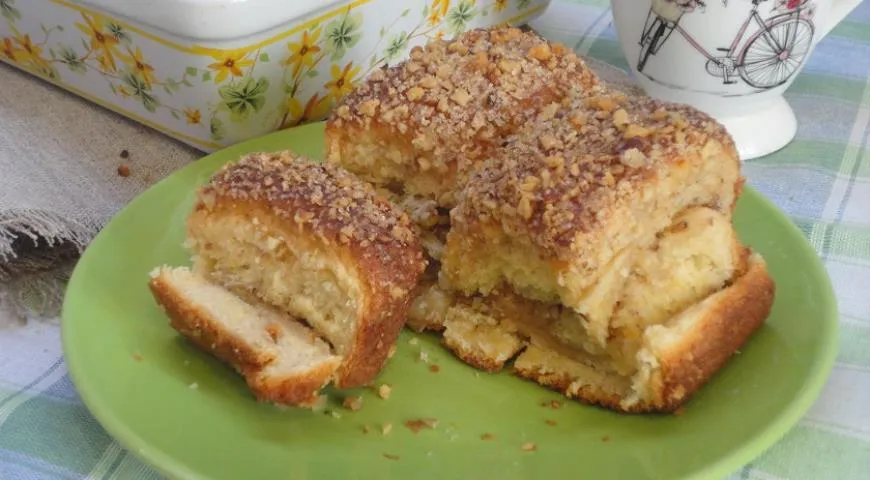
Few desserts capture the soul of Central European baking like Hungarian Nut Pastries—known in Russian as Vengerskie Pirozhnye. These delicate, layered yeast pastries are filled with a fragrant nut-and-sugar mixture and baked to a golden, buttery perfection. Originating from the Austro-Hungarian tradition of rich, laminated doughs, this recipe transforms simple ingredients into a showstopping tea-time treat. With a soft, airy crumb and a crunchy, caramelized nut layer, each bite is a harmony of textures. Whether you are hosting a gathering or simply craving a homemade indulgence, these pastries bring the warmth of a Viennese café right into your kitchen. Follow this step-by-step guide to master the art of Hungarian pastry making, and discover why this classic has been cherished for generations.
About Hungarian Nut Pastries
Hungarian cuisine is renowned for its love of nuts—walnuts, in particular—and these pastries exemplify that passion. Unlike puff pastry or croissant dough, this recipe uses a planetary mixer to develop a soft, enriched yeast dough that is rolled, layered, and cut into rectangles. The result is a cross between a brioche and a nut roll, with a satisfying crunch from the walnut-sugar filling. Traditionally served alongside coffee or tea, these pastries are a staple at festive tables and casual gatherings alike. The technique of brushing each layer with melted butter ensures a tender, flaky texture that stays fresh for days.

Ingredients
- 500 g all-purpose flour
- 20 g fresh yeast (or 7 g active dry yeast)
- 200 ml milk, lukewarm
- 100 g granulated sugar
- ½ tsp salt
- 100 g unsalted butter, melted (for dough)
- Zest of 1 orange or lemon
- 3 large egg yolks
- For layering: 100 g unsalted butter, melted
- 200 g walnuts, finely chopped
- 100 g granulated sugar (for filling)
Using a food processor with a glass bowl can simplify the nut chopping, but a knife works beautifully for a more rustic texture.
Step-by-Step Instructions
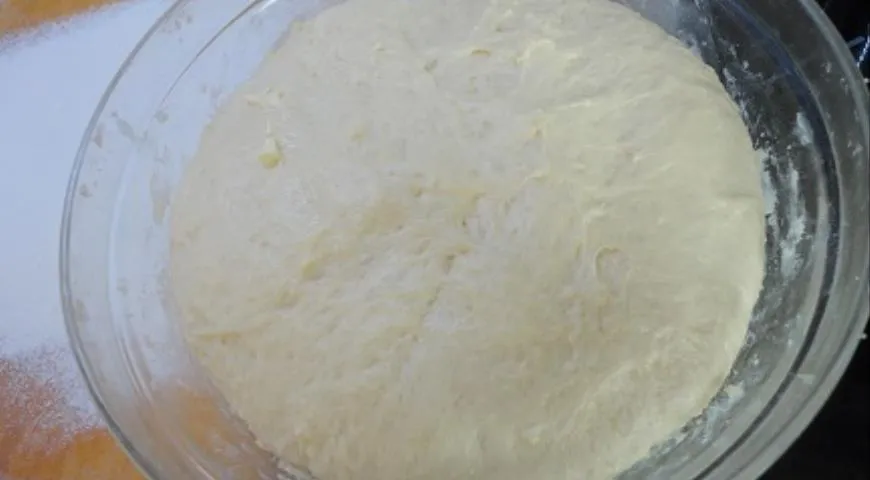
- Prepare the dough: In a large mixing bowl, combine the flour with the crumbled yeast. Add the lukewarm milk, sugar, salt, melted butter, and orange zest. Knead for 8–10 minutes until smooth and elastic. Using a planetary mixer with a dough hook makes this effortless. Gradually incorporate the egg yolks one by one, kneading well after each addition. Cover the bowl with a clean cloth and let rise in a warm place for 1 hour, until doubled in size.
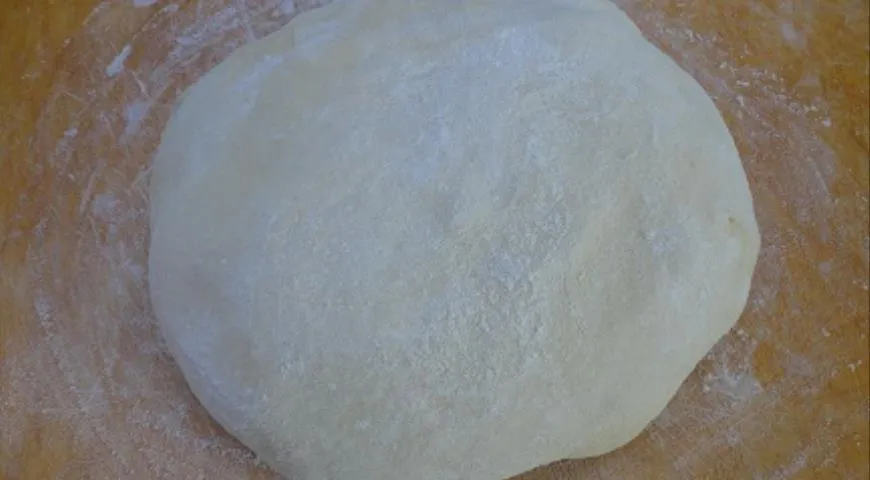
- Prepare the filling and pan: Turn the risen dough onto a floured surface and divide into three equal pieces. Butter a 20 x 30 cm rectangular baking dish. Meanwhile, melt the remaining butter for layering. Finely grind the walnuts with the sugar using a food processor for nut butter or a mortar and pestle.
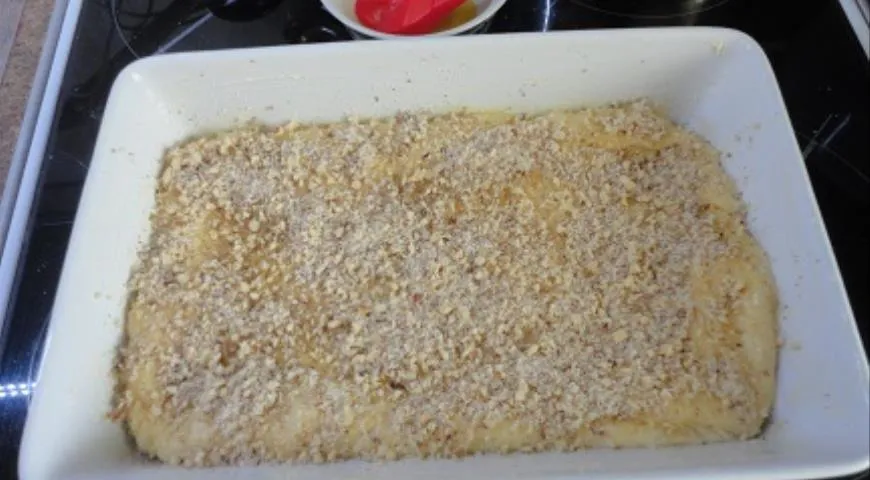
- Roll and layer: Roll out each dough piece into a rectangle the size of your pan. Place one layer in the pan, brush generously with melted butter, and sprinkle with one-third of the nut-sugar mixture. Repeat with the remaining two layers, ending with a nut topping.
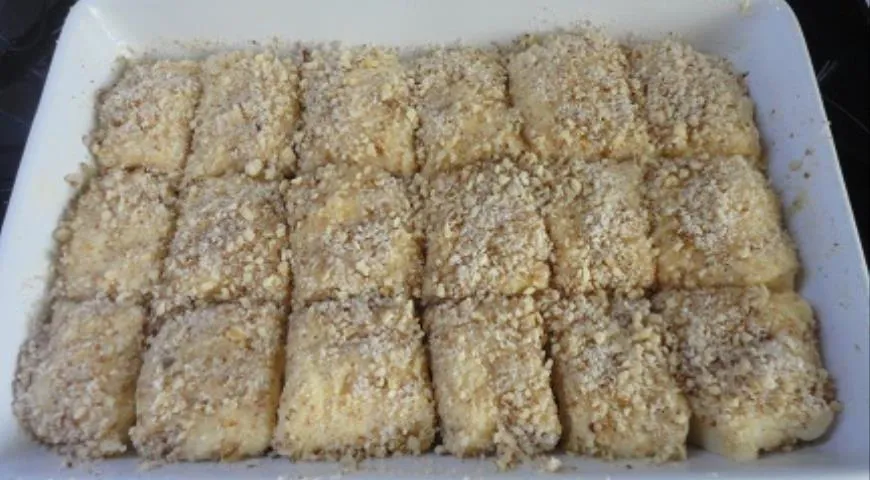
- Cut into pastries: Using a sharp knife, slice the layered dough into rectangular pastries. Dip the knife in melted butter between cuts to prevent sticking—this ensures clean edges. For the best results, use a butter sprayer to coat the blade evenly.
- Second rise: Cover the pan loosely with a towel and let the pastries rise for 30 minutes. This step creates the light, airy texture that distinguishes these pastries from denser nut rolls.
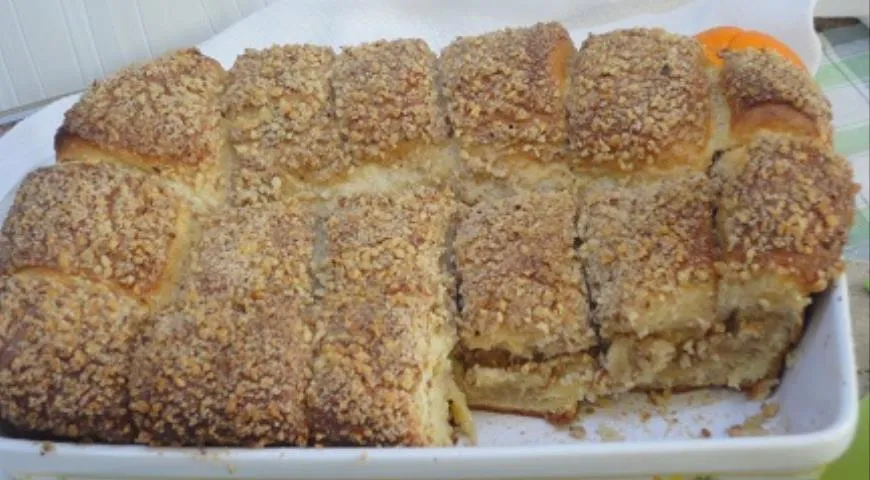
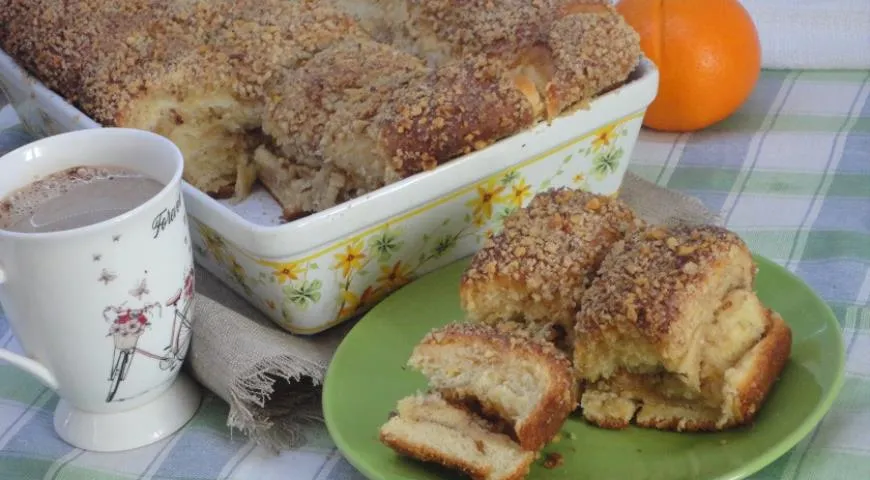
- Bake: Preheat the oven to 180°C (350°F). Bake for 30–35 minutes until golden brown and the filling is bubbling. If your pan is smaller than 20 x 30 cm, the pastries may be taller and require a few extra minutes. Remove from oven and cool slightly before serving.
Tips for Perfect Pastries
- Yeast freshness: Always check the expiration date of your yeast. For active dry yeast, proof it in warm milk with a pinch of sugar before adding to flour.
- Kneading: Proper gluten development is crucial. A planetary mixer ensures even kneading without overheating the dough.
- Butter temperature: The butter for layering should be melted but not hot—warm butter will soak into the dough, while hot butter can kill the yeast.
- Cutting technique: Dipping the knife in melted butter prevents the dough from tearing and creates clean, professional-looking pieces.
- Pan size matters: If your pan is narrower than 20 x 30 cm, the pastries will be thicker—increase baking time by 5–10 minutes and check for doneness with a skewer.
Variations and Serving Suggestions
While walnuts are classic, you can substitute pecans, almonds, or hazelnuts for a different flavor profile. Adding a teaspoon of cinnamon to the nut mixture enhances warmth. For a citrusy twist, swap orange zest for lemon or even a few drops of orange blossom water. Serve these pastries with a dusting of powdered sugar or alongside a dollop of clotted cream. They pair beautifully with a strong coffee or a sweet Hungarian dessert wine. For a festive presentation, drizzle with dark chocolate once cooled.
Frequently Asked Questions
Can I make these pastries ahead of time?
Absolutely. The baked pastries keep well in an airtight container at room temperature for up to 3 days. To revive crispness, reheat in a non-toxic air fryer at 160°C for 3–4 minutes.
Can I freeze the unbaked pastries?
Yes—after cutting, place the pan in the freezer until solid, then transfer the frozen pieces to a freezer bag. When ready to bake, let them thaw and rise in the pan for about 1 hour before baking.
Why did my dough not rise?
Several factors can hinder rising: if the milk was too hot, it could kill the yeast; if the dough was under-kneaded, gluten development was insufficient. Always use a microwave pressure cooker to warm milk gently and evenly.
Can I use whole wheat flour?
Substituting up to 50% of the all-purpose flour with whole wheat works well, but the texture will be denser. Add an extra tablespoon of milk to compensate for the additional fiber.
How do I grind walnuts without turning them into paste?
Pulse the nuts in a food processor for nut butter in short bursts, or chop by hand. For a coarse, crunchy texture, use a planetary mixer with a paddle attachment at low speed with the nuts in a bag.
Can I add a glaze?
A light brush of simple syrup (equal parts sugar and water, boiled) right after baking imparts a lovely sheen. Alternatively, dust with powdered sugar for elegance.
Enjoy these Hungarian nut pastries with a steaming cup of tea or coffee, and share the warmth of a time-honored tradition. For more baking inspiration, explore our guide to Catalan sponge cake.







