


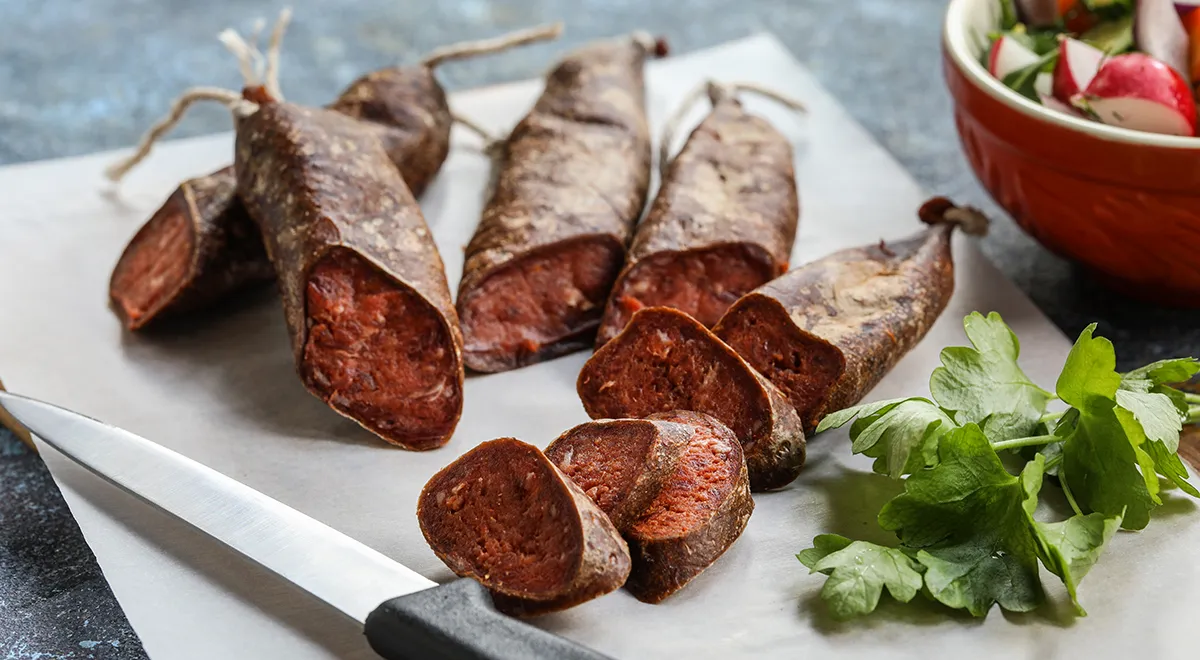
Embark on a journey into the world of artisanal charcuterie with this exquisite recipe for homemade dry-cured beef sausage. This time-honored technique transforms simple ingredients into a deeply flavorful, shelf-stable delicacy that rivals the finest salumi. The key lies in selecting the perfect cut of beef — one with at least 30% fat content, such as a well-marbled shoulder or rump. Before you begin, allow the meat to come to room temperature for at least 30 minutes, ensuring even grinding and mixing. For the best results, use a high-quality best planetary mixer to achieve the ideal texture.
About This Recipe
Dry-cured sausage is a testament to the art of preservation. By combining carefully selected beef with curing salts and spices, and then allowing it to age in a controlled environment, you create a product that is both safe and bursting with umami. This recipe draws on classic Eastern European techniques, with a modern emphasis on precision and flavor balance. The inclusion of smoked paprika and fennel seeds adds a warm, aromatic complexity, while a splash of wine introduces a subtle fruity note. Whether youʼre a seasoned charcutier or a curious home cook, this guide will walk you through every step.

Ingredients
- 1 kg beef shoulder or rump (with visible fat marbling)
- 25 g nitrite curing salt
- 10 g smoked paprika
- 5 g ground chili flakes
- 1 g fennel seeds, ground
- 50 ml dry red wine (such as a best sweet wine with high alcohol content if you prefer a richer profile)
- 50 ml cold water
- 2 m cellulose casing (20 mm diameter)
Optional: 100 g beef or pork fat if your meat is too lean.
Step-by-Step Instructions
-
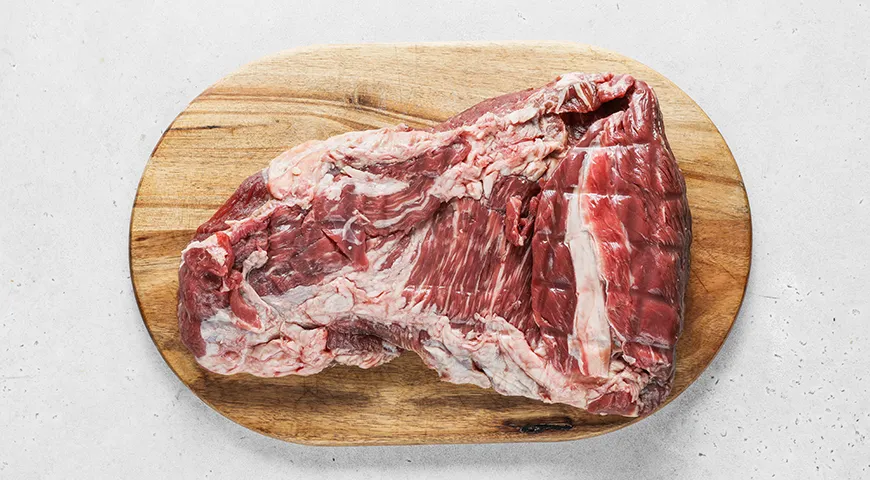
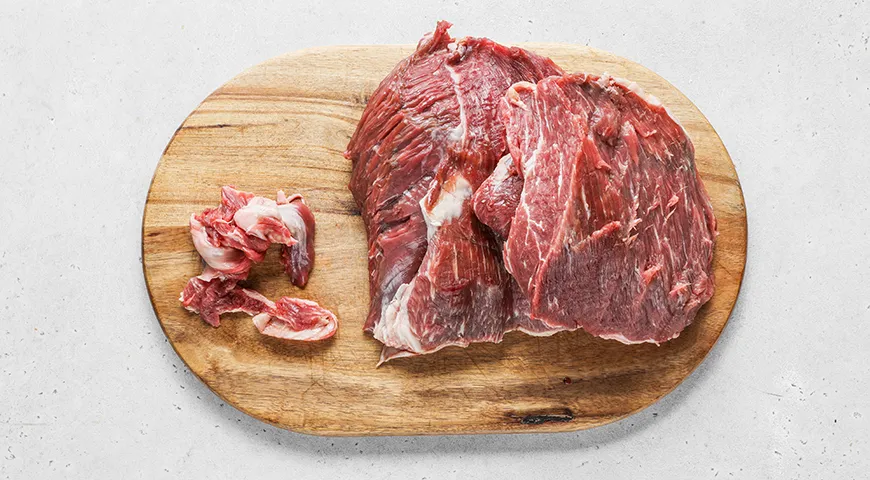
Prepare the meat. Pat the room-temperature beef dry with a paper towel. Trim away any silver skin or sinew. Cut the meat into uniform medium-sized chunks. If your meat is too lean, incorporate an extra piece of fat.
-
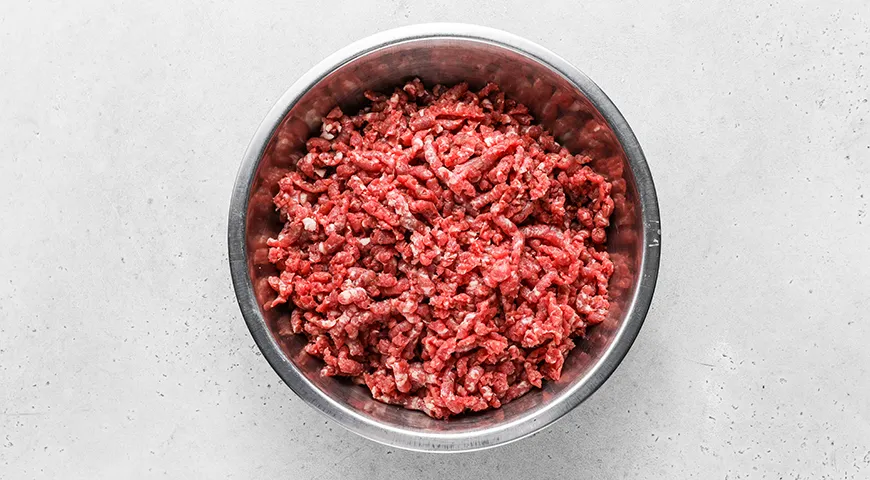
Grind the meat. Pass the beef through a meat grinder fitted with the largest plate (about 8–10 mm). Alternatively, use a best food processor for nut butter with a grinding attachment, or hand-cut into 5 mm cubes for a more rustic texture.
-
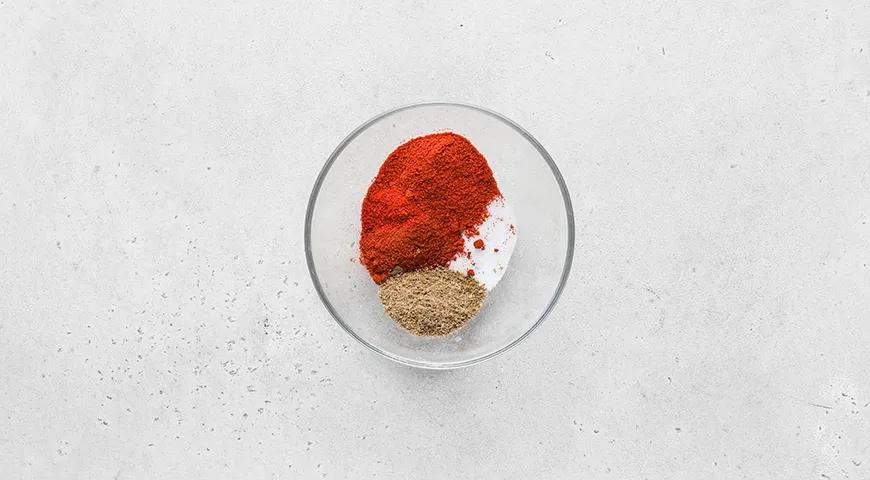
Mix the spices. In a small bowl, combine the nitrite salt, smoked paprika, chili flakes, and ground fennel seeds. Stir until homogenous.
-
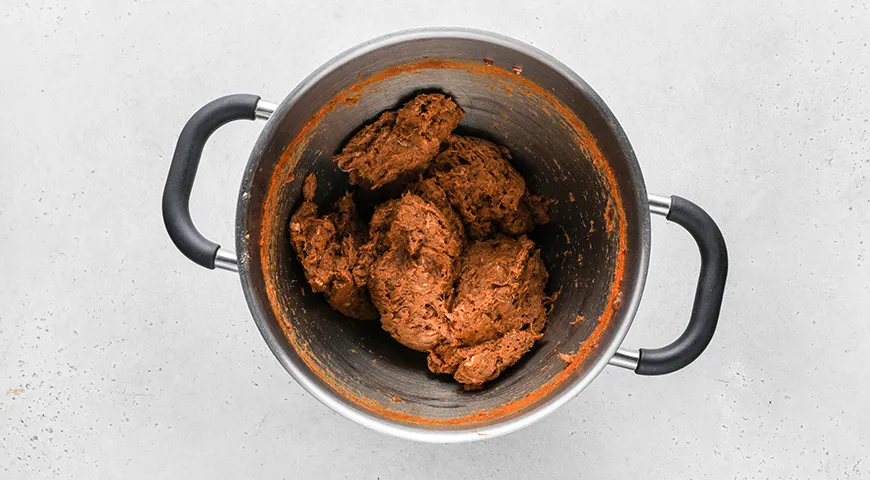
Combine and mix. Place the ground meat in the bowl of your best planetary mixer fitted with the paddle attachment. Begin mixing on low speed, gradually adding the wine and then the 50 ml of cold water. Sprinkle in the spice mixture. Continue mixing until the farce becomes sticky and pliable — about 2–3 minutes. Do not overmix; some texture is desirable.
-
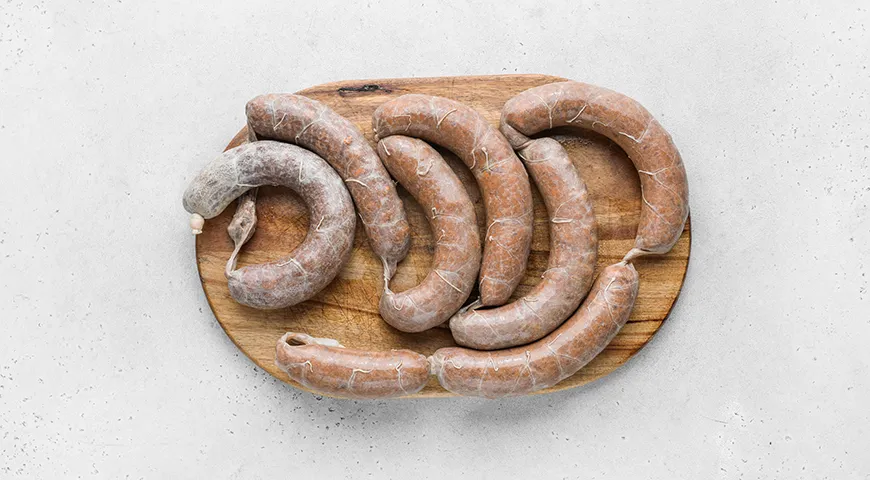
Stuff the casings. Soak the cellulose casings in warm water for 30 minutes, then rinse. Slide one end onto a sausage stuffer or the grinding attachment of your best food processor for nut butter. Fill the casing with the farce, twisting at intervals to form links of your desired length. Donʼt overstuff.
-
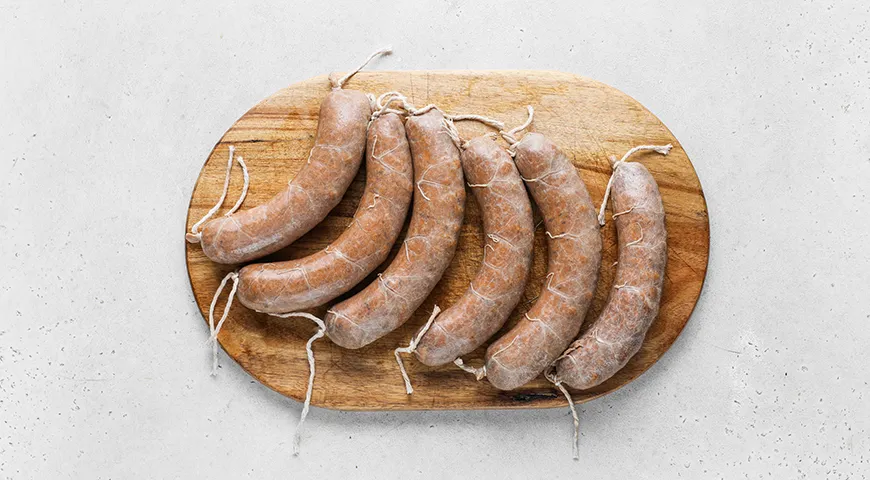
Prick and hang. Lay the sausages on a clean work surface and inspect for air pockets. Prick each bubble with a sterile needle. Tie off the ends with kitchen twine and hang the sausages on a rack using best non-toxic immersion blender hooks (or simply string) to ensure air circulation. Place in the refrigerator at 4–6°C for 5 days.
-
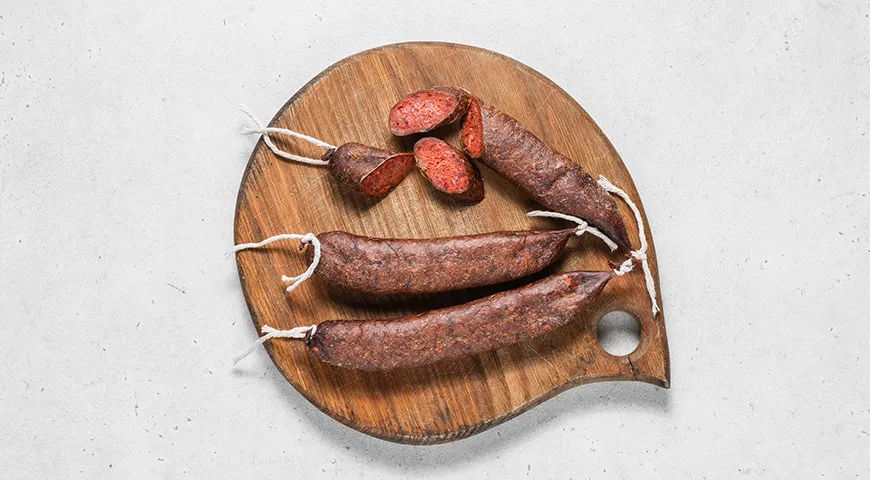
Dry and age. After 5 days, check the sausages for readiness. They should have shrunk in diameter and turned a deeper red on the cut surface. If you own a climate chamber, you can accelerate and control the process. Otherwise, the refrigerator method works beautifully.
-
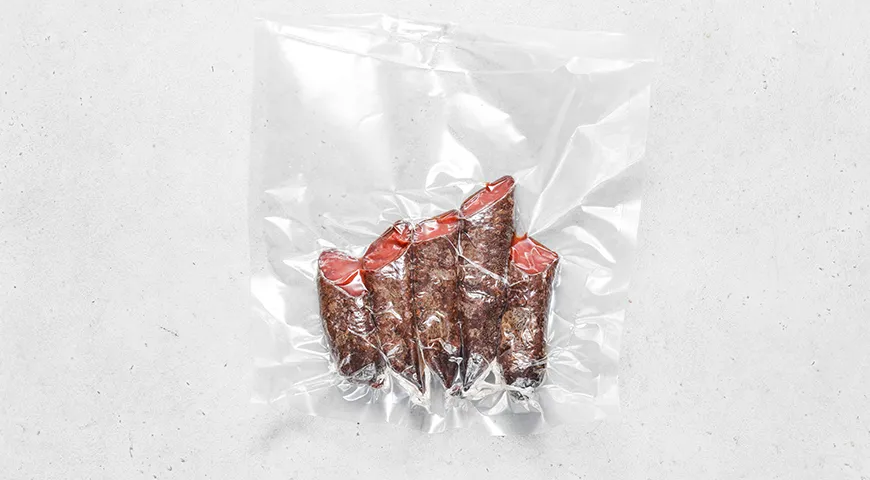
Slice and store. Once fully cured, the sausages can be sliced thinly. For long-term storage, cut them into portions and vacuum-seal using a best steam canner (or a dedicated vacuum sealer). Keep in the refrigerator or best undercounter ice maker machine freezer.
-
Enjoy. Serve at room temperature as part of a charcuterie board, paired with a robust red wine or a rich espresso. The sausage will keep for weeks when properly stored.
Tips for Success
- Fat is crucial. Without sufficient fat, your sausage will be dry and crumbly. Aim for at least 30% fat content. If needed, add beef or pork fat from the butcher.
- Keep everything cold. During grinding and mixing, work quickly and chill the meat if it warms up. This prevents the fat from smearing.
- Use nitrite salt. It not only preserves the meat but also maintains its rosy color and suppresses harmful bacteria. Do not substitute with table salt.
- Airflow matters. Ensure sausages are hung with space between them. If using a refrigerator, place a small fan nearby to improve circulation.
- Patience pays off. The 5-day drying period is minimal; for deeper flavor, you can extend it to 7–10 days. Test by weight loss — a 30–40% loss indicates readiness.
Variations
- Spice it up. Add 2 cloves of minced garlic, a teaspoon of black pepper, or a dash of best organic vodka instead of wine for a cleaner spirit note.
- Go pork. Substitute beef with equal parts pork shoulder and belly for a richer, Italian-style salami.
- Herbal infusion. Mix in dried oregano or thyme for a Mediterranean twist.
- Smoke it. After the initial 5 days, cold‑smoke the sausages at under 30°C for 2–3 hours for a deeper, smokier flavor.
FAQ
What is the best cut of beef for dry‑cured sausage?
Choose a well‑marbled cut like chuck (shoulder) or bottom round. The fat should be evenly distributed. Avoid lean cuts like sirloin; if you must, add extra fat.
Can I use a food processor instead of a meat grinder?
Yes, but pulse carefully to avoid over‑processing. A best food processor for nut butter with a grinding attachment works well for coarse textures.
How long will the sausage keep once cured?
When vacuum‑sealed and stored in a best 48 inch built-in refrigerator, it will last up to 3 months. Frozen, it can last up to a year. Once sliced, consume within a week.
What is the role of nitrite salt?
Nitrite salt (curing salt No. 2) prevents botulism, preserves color, and enhances flavor. It is essential for safety in dry‑cured sausages.
Can I make this recipe without a planetary mixer?
Absolutely. You can mix by hand using a sturdy spoon and a lot of elbow grease for about 5 minutes. Alternatively, an best non-toxic immersion blender with a dough hook attachment can work for small batches.
Why did my sausage turn out dry?
Likely causes: too little fat, overmixing, or overdrying. Ensure at least 30% fat and stop drying once the sausage has lost 40% of its weight.
What can I serve with dry‑cured sausage?
Pair with crusty bread, cornichons, aged cheese, and a glass of best sweet wine with high alcohol content. For a non‑alcoholic option, try a sparkling water with lemon.







