


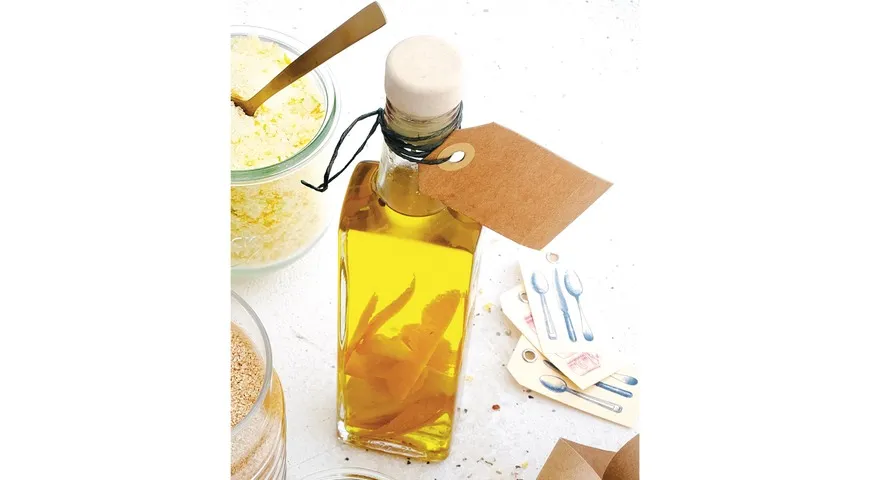
Imagine drizzling a golden, sun-kissed oil over a crisp salad or a grilled fish—a whisper of citrus that lifts every bite. This homemade Orange and Lemon Zest Infused Olive Oil is not just a kitchen staple; it is a celebration of patience and simplicity. With just three ingredients and a few days of quiet infusion, you create a condiment that transforms the everyday into the exquisite. Whether you are a seasoned home cook or just beginning your culinary journey, this infused oil will become your secret weapon for adding brightness to pasta, roasting vegetables, or even finishing a delicate carpaccio. The process is meditative, the result is priceless.
About This Infused Oil
Infusing olive oil with citrus zest is an ancient technique that captures the essence of summer in a bottle. Unlike extracts or synthetic flavorings, this method relies on natural oils from the peel, slowly releasing their fragrant compounds into the oil. The key is to use fresh, organic citrus and a high-quality extra virgin olive oil. The slight bitterness from the pith is avoided by carefully removing only the colored zest, ensuring a clean, bright flavor. This recipe from Gastronom.ru is a classic: it asks for five days of steeping, but the wait is rewarded with a depth that no store-bought infusion can match. For more insights on choosing the right oil, see our guide on the best oil sprayer to apply your creation with precision.

Ingredients
- 200 ml extra virgin olive oil (choose a mild, fruity variety for best results)
- 1 large orange (organic, unwaxed)
- 1 large lemon (organic, unwaxed)
That is all you need. The simplicity is deceptive—the quality of each component matters deeply. Use a high-performance food processor if you prefer to zest in bulk, but a fine Microplane works beautifully for small batches.
Step-by-Step Guide
Step 1: Zest the Citrus
Using a vegetable peeler or a fine zester, remove the colored part of the peel from both the orange and lemon. Avoid the white pith—it adds bitterness. Spread the zest strips on a plate. You should have about 2 tablespoons of zest in total. For efficiency, consider using a non-toxic immersion blender with a zesting attachment if available.
Step 2: Dry the Zest
Place the zest in a microwave-safe dish and microwave on high for 30-second intervals until it feels dry to the touch, but not brittle (about 1–2 minutes total). Alternatively, spread on a baking sheet and dry in a low oven (80°C) for 10 minutes. This step removes excess moisture, preventing mold during infusion. A wall oven microwave combo with air fryer can handle both drying and later roasting tasks.
Step 3: Combine in a Bottle
Place the dried zest into a clean, dry glass bottle. Pour the olive oil over it, ensuring the zest is fully submerged. Seal the bottle tightly.
Step 4: Infuse
Store the bottle in a dark, cool place for 5 days. Shake gently once a day to redistribute the zest. The oil will slowly take on a pale golden hue and a fragrant citrus aroma. Use a best glass container for safe storage.
Step 5: Strain and Enjoy
After 5 days, strain the oil through a fine-mesh sieve or cheesecloth into a clean bottle or jar. Discard the zest. The oil is now ready to use. Store in a cool, dark place and use within one month. For a perfect finishing touch, apply with a best oil sprayer for even distribution over salads or grilled vegetables.
Tips for the Perfect Infusion
- Drying matters: Do not skip drying the zest; wet zest can introduce bacteria and cause spoilage.
- Quality oil: Use a mild extra virgin olive oil so the citrus flavor shines. A robust oil can overpower the delicate zest.
- Patience pays: Five days is the sweet spot—shorter infusions lack depth, longer may develop bitterness.
- Storage: Always keep infused oils away from light and heat. Use a dark glass bottle for longevity. Consider a 48-inch built-in refrigerator for cool, consistent storage.
- Freshness check: If you see any cloudiness or off smells, discard immediately. Properly made oil keeps well for a month.
Variations
Once you master the basic orange-lemon blend, experiment with other citrus: grapefruit adds a bitter twist, lime gives a sharper note, or mix all three for a complex aroma. You can also add a sprig of rosemary or a few black peppercorns for a savory edge. For a sweeter profile, use blood oranges and a strip of vanilla bean. If you love baking, drizzle this oil over Catalan sponge cake (pa de pessic) for an elegant dessert. The possibilities are endless.
FAQ
Can I use lemon and orange extract instead of fresh zest?
No, extracts are alcohol-based and will not infuse the oil properly. Fresh zest provides natural essential oils and a superior flavor. For a quick fix, try a lava flavor as a seasoning, but for true infusion, stick to fresh zest.
Is this oil safe for long-term storage?
Properly made and stored in a dark, cool place, this oil lasts about one month. For longer storage, freeze it in small portions. Always check for rancidity before use. A undercounter ice maker helps keep ice for chilling, but the oil itself does not need refrigeration.
Can I reuse the zest after infusion?
The zest loses most of its flavor after steeping. It is best discarded. However, you can dry it further and grind into a citrus powder for baking or seasoning blend. Use a wheatgrass juicer to extract remaining liquid? Not recommended; better to start fresh.
What if I only have bottled lemon juice?
Fresh zest is essential. Bottled juice contains water and preservatives that will cause the oil to spoil quickly. Do not substitute. For a sauce, consider a best store-bought au jus for prime rib instead.
Can I speed up the infusion with heat?
Gentle heat (like a microwave pressure cooker on low) can infuse in a few hours, but the flavor will be less nuanced. Cold infusion yields a brighter, more delicate taste. If in a hurry, the heat method works for immediate use.
How do I know if the zest is dry enough?
It should feel leathery and not moist. If it snaps when bent, it is too dry—still usable but loses some aroma. Aim for pliable but no visible wetness.
Can I add garlic or herbs to this citrus oil?
Yes, but be cautious: garlic can introduce botulism risk if not properly dried. For a safe herb-citrus blend, use dried herbs like thyme or rosemary. Alternatively, buy chocolate-covered raisins as a snack while you perfect your infused oils!
This simple recipe opens a world of culinary creativity. Once you taste your own handmade citrus oil, you will never go back to store-bought. Enjoy the process—and the delicious results.







