


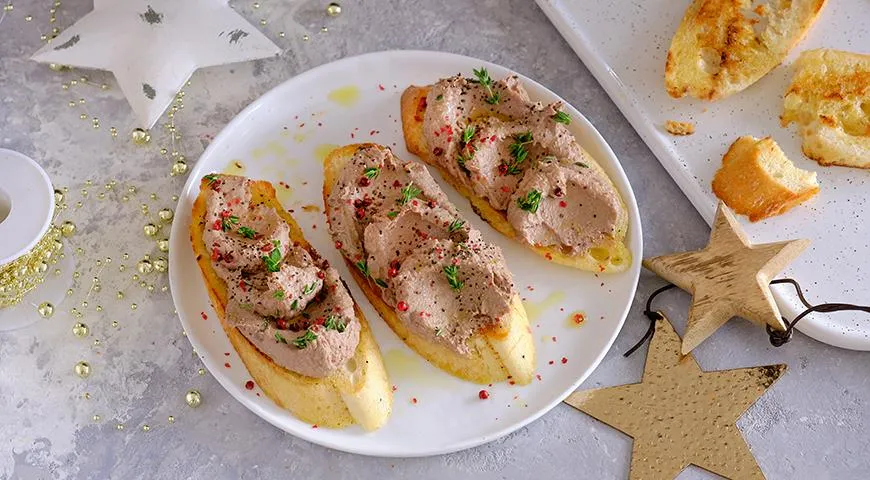
There is something deeply satisfying about crafting a silky, flavourful pâté from scratch. This homemade chicken pâté, made from chicken liver, hearts, and fillet, offers a rustic elegance that elevates any appetizer spread. The gentle poaching technique ensures the meats remain tender and moist, while a splash of cognac and slowly caramelized onions add depth and sophistication. Whether spread on crusty bread or served alongside cornichons, this pâté is a testament to the beauty of simple, quality ingredients. In this comprehensive guide, we will walk you through each step, from poaching the offal to achieving the perfect velvety texture using a high-quality glass food processor. Let us explore the nuances that make this recipe truly exceptional.
About This Homemade Chicken Pâté
This classic Russian-style pâté transforms humble chicken parts into a luxurious spread. The combination of liver, hearts, and breast meat creates a balanced, rich flavour profile. A gentle poaching method—rather than boiling—keeps the proteins succulent, and the final 24-hour rest in the refrigerator allows the flavours to meld beautifully. The result is a pâté that rivals any French terrine but with a lighter, more approachable character. For the best texture, consider using an immersion blender for a quick finish or a powerful food processor to achieve a silky puree. This recipe also works wonderfully as a base for experimenting with additional herbs and spices.

Ingredients
- Chicken liver – 500 g
- Chicken hearts – 500 g
- Chicken fillet (breast) – 400 g
- Butter – 50 g
- Onions – 800 g
- Cognac – 50 ml
- Salt – to taste
- Black pepper – to taste
All measurements are metric. For an alcohol-free version, substitute cognac with a splash of apple cider vinegar or use an organic vodka for a neutral spirit profile.
Step-by-Step Instructions
Step 1: Poach the Chicken Hearts
Place 1.5 litres of water in a large pot over high heat, add salt, and bring to a rolling boil. Submerge the chicken hearts, reduce the heat to low, and let them simmer gently. Cover the pot with a lid, leaving a small gap, and cook for 20 minutes. The hearts should remain tender but firm. Use a slotted spoon to transfer them to the bowl of a large blender or food processor.

Step 2: Prepare the Liver and Fillet
While the hearts are cooking, clean the chicken liver by removing any connective tissue, membranes, and visible fat. Cut the chicken fillet into large chunks. Once the hearts have been removed from the pot, bring the same broth back to a boil. Add the liver and chicken fillet, and cook for exactly 2 minutes—no longer, as overcooking will make them tough. Turn off the heat, cover the pot tightly (you can even wrap it in a thick towel), and let it rest for 15 minutes. This gentle residual heat finishes the cooking while preserving moisture.

Step 3: Caramelize the Onions
Peel and roughly chop the onions. In a large skillet, melt the butter over medium-low heat. Add the onions and cook, stirring occasionally, for about 15 minutes until they turn golden and sweet. Be patient—low heat prevents them from burning, which would introduce bitterness. If desired, deglaze the pan with a tablespoon of water to loosen any browned bits. This step lends a delicate sweetness that balances the richness of the offal.
Step 4: Blend and Season
Transfer the rested liver and fillet to the food processor bowl containing the cooked hearts. Add the caramelized onions (allow them to cool slightly first) and pour in the cognac. Season with salt and pepper. Pulse and then puree until the mixture reaches an utterly smooth, creamy consistency. Taste and adjust seasoning if needed. For a finer finish, pass the pâté through a fine-mesh sieve—though a high-performance immersion blender can yield similar results without extra effort.
Step 5: Rest and Mature
Spoon the pâté into a clean glass jar, press down to remove air pockets, and seal with a lid. Refrigerate for at least 12 to 24 hours. During this time, the pâté will firm up and the flavours will deepen harmoniously. Before serving, bring it to room temperature for about 15 minutes to restore its spreadable texture. Use a light mist of olive oil on top to prevent oxidation if storing longer.
Pro Tips for Perfect Pâté
– Gentle poaching is key. The 2-minute boil + 15-minute rest method ensures the liver and fillet stay moist and never rubbery. Overcooking leads to a grainy texture.
– Don’t skip the cognac. It adds not only a pleasant warmth but also helps to round out the meaty flavours. A good substitute is a dry sherry or high-alcohol sweet wine for a touch of sweetness.
– Cool the onions before blending. Hot onions can cause the pâté to separate or become oily. Let them sit for five minutes after cooking.
– Use the best tools. A reliable food processor like the best food processor for nut butter can handle the dense mixture effortlessly. If you prefer a lighter texture, an immersion blender works well for last-minute adjustments.
Variations to Explore
– **Herbed Pâté**: Stir in chopped fresh thyme, rosemary, or sage before refrigerating.
– **Spicy Kick**: Add a pinch of cayenne pepper or a dash of smoked paprika.
– **Pistachio Studded**: Fold in roughly chopped pistachios for crunch.
– **Alcohol-Free**: Replace cognac with chicken stock and a splash of lemon juice.
– **Miso-Infused**: Whisk 1 tablespoon white miso paste into the warm pâté for umami depth.
For a truly indulgent pairing, serve with a lightly toasted baguette and a side of artisan coffee to cut through the richness.
Frequently Asked Questions
Can I freeze this chicken pâté?
Absolutely. Portion the pâté into small freezer-safe containers, leaving a little headspace. It will keep for up to 3 months. Thaw overnight in the refrigerator and consume within 3 days of opening. For added protection, consider using a steam canner for longer shelf life if you plan to give jars as gifts.
What if I don’t have a food processor?
You can use a powerful blender in small batches, or even a planetary mixer with a paddle attachment, though the texture may be slightly chunkier. An immersion blender directly in a tall container also works beautifully.
How long does homemade pâté last in the fridge?
Properly sealed in a glass jar, it will stay fresh for up to 5 days. The flavour actually improves after the first 24 hours. Always use a clean knife when spreading to avoid contamination. Store on a middle shelf, not in the door where temperatures fluctuate. For longer storage, refer to freezing.
Can I replace chicken hearts with something else?
Yes, you can use all liver (1 kg total) for a more robust flavour, or replace hearts with additional chicken thighs (skinless, boneless) for a milder pâté. Adjust cooking times accordingly: thighs need about 20 minutes in the broth, while hearts require 20 minutes as well.
Why did my pâté turn out grainy?
Graininess usually results from overcooking the liver or not blending enough. Make sure to follow the 2-minute poach + 15-minute rest precisely. Also, ensure your food processor runs long enough to break down all fibres—at least 2 minutes of continuous blending. If needed, scrape down the sides halfway through.
Can I make this pâté dairy-free?
Absolutely. Replace the butter with an equal amount of ghee or high-quality olive oil. The olive oil will add a fruity note that complements the cognac. For an even lighter option, use refined coconut oil. Heat it gently to melt before adding to the onions.







