


Gardens can be an oasis of peace and tranquility, but it can be difficult to enjoy them if we feel exposed to the prying eyes of neighbors and passersby. Fortunately, there are solutions to improve the privacy of our outdoor spaces, and privacy screens are a popular option.
A privacy screen is basically a screen used to block the view of a specific area. These panels are commonly used in gardens to block the view of neighbors or the street, creating a more intimate and protected environment.

But with so many options available on the market, it can be difficult to find the right privacy screen for your garden. Fortunately, there are several factors you can consider to ensure you choose the best one.
First, you need to consider the panel material . There are wood, PVC, metal, bamboo, and other materials. Each has its advantages and disadvantages in terms of cost, durability, appearance, and ease of installation. For example, wood panels may be more visually appealing, but they may also require more maintenance than other materials.
Another important factor to consider is the height and width of the screening panel. The height of the panel should be high enough to block the view of the area you want to protect, while the width should be adequate to cover the entire perimeter. You should also consider whether you want a panel that's easy to move or if you prefer a heavier, more permanent one.
The best cheap privacy panels
In this article, we'll provide a comprehensive guide to help you choose the right privacy screen for your needs and budget. We'll show you the different types of materials available, the size and width options, and how to install a privacy screen in your garden. This way, you can enjoy your outdoor space without worrying about prying eyes.
HOLZBRINK Shade Netting with Mounting Rope
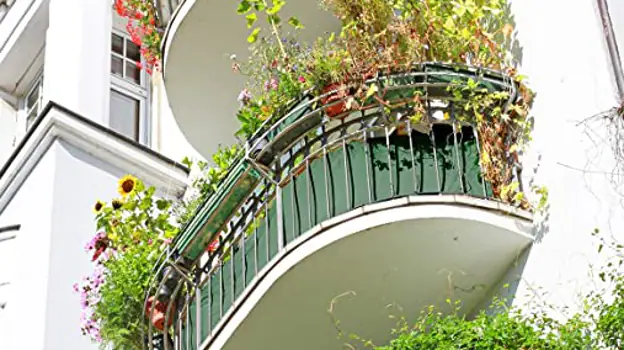
The most common concealment method, and for good reason, is shade cloth . It's very affordable compared to other materials, and the level of discretion it offers is equally high. This means that the price-performance ratio of this product tends to be one of the best on the market. This product is from the HOLZBRINK brand and is available in various opacity levels and colors so you can choose the one that best meets your expectations.
The roll is 15 meters long and 1 meter high , although either size can be adjusted. This means that, if needed, the seller can provide you with mesh up to 50 meters long and 2 meters high.
049897 Bamboo perimeter fence
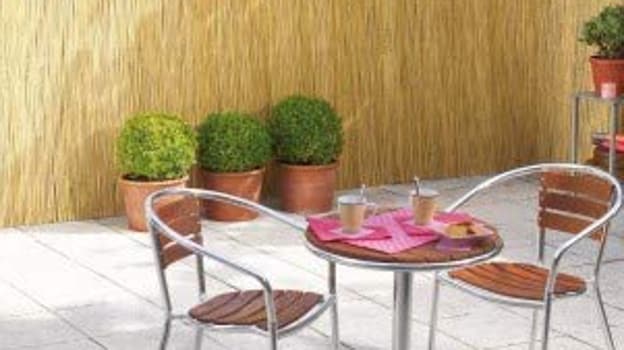
This second option is more tropical , as the privacy panel is made of bamboo. The tone itself reflects this, maintaining the light wood color so characteristic of bamboo, which has been bound with nylon thread.
And don't let this type of material make you doubt the durability of this product. The perimeter fence is resistant to all types of weather and will withstand the worst of winters if installed correctly. In this case, each panel measures 1.5 meters high by 3 meters long . It's the ideal option for a garden without a fence on which to mount a mesh like the one above.
Catral 53010052
Now, let's look at the privacy screen from Catral, which offers a very high degree of opacity and is available in various colors. It's sold in seven different sizes , so you can choose the one that best fits your space in terms of height and length.
Unlike other mesh models, this one has UV protection , which is always a plus if you're going to be spending a lot of time in the garden. Previous purchasers highlight this product's excellent value , as well as its softness, durability, and water resistance.
Catral 15030001

This same brand also has its own version of the wicker panel . One advantage of this screening style is its natural feel , which blends much better with the rest of the garden's aesthetic and gives it a more elevated look. The wicker in this panel is natural and unpeeled. This is what gives it that elegant dark brown hue and what will keep all outside views blocked.
As is usual with this type of product, it is available in several sizes , with the length and height of the panel varying in each one.
Gardeneas Natural Fine Bamboo Reed 2x5 Meters
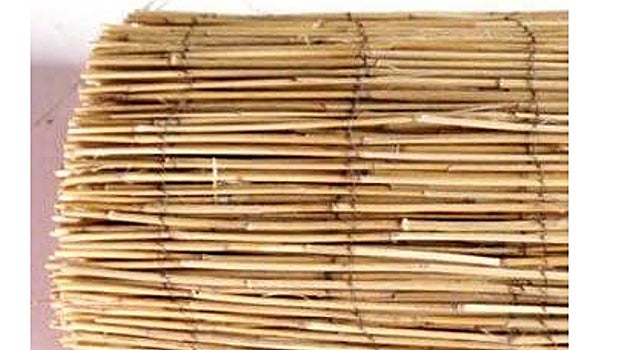
One material that was missing from our list and was already missed is reed , a classic in garden construction and also one of the most common materials used in the manufacture of privacy screens. We see it both as a complement to low domestic fences and on open balconies in the city. This reed is made of bamboo , as we can see from its light wood tone.
It will give your space a tropical touch that never goes amiss.
What are concealment panels?
A screen is a type of fence or screen used to provide privacy and conceal a specific area from the view of others. These panels are commonly used in gardens to block the view of neighbors or the street and to create a more intimate atmosphere.
How to install blackout panels?
Installing a concealment panel can vary depending on the material and design you choose, but here are some general steps to help you install it:
Measure and mark the area: Before installing the panel, you should measure and mark the area where you want to place it. Use stakes and string to outline the area and make sure it's large enough to cover everything you need.
Prepare the ground: Make sure the ground is level and free of obstacles before installing the panel. If the ground is uneven, you may need to level it with soil and/or stones to ensure the panel sits straight.
Installing the Posts: The posts are the pieces that will hold the panel in place. You'll need to dig holes for the posts along the marked perimeter. The distance between the posts will depend on the size of the panel and the material used, so be sure to check the specifications for the panel you're using.
Setting the Posts: Once the posts are in place, you'll need to set them with concrete. Place a little concrete in each hole and place the posts inside. Make sure they're level before the concrete dries.
Installing the Panel: With the posts secured, it's time to install the panel. If your panel has slots or clips, slide the panel into place. If it doesn't have slots, you'll need to secure it to the post with clamps or nails.
Adjust and secure: Once the panel is in place, make sure it's straight and level. If necessary, adjust the posts or panel to ensure it's straight. Finally, secure the panel to the post with screws or nails.
Remember that this is only a general process for installing concealment panels, and specific steps may vary depending on the material and design of the panel you choose. It's always a good idea to read the installation instructions that came with your panel and follow the manufacturer's recommendations.

The government will approve new aid for farmers and water infrastructure to alleviate the drought.
The Executive is calling an extraordinary Council of Ministers to approve measures for the fifth year with less water stored in reservoirs since records began.







